Chasseurs Alpins
The Evolution of Tundra Alpine Camouflage for France’s Chasseurs Alpins
The Tundra Alpine Winter Camouflage received a significant update in 2024. It further enhances effectiveness in snowy and mountainous terrains. Originally developed by the French military to address the unique demands of alpine warfare, this specialized pattern has evolved. It now includes refinements that meet modern technological and environmental challenges. The updated design reflects the French Army’s commitment to specialized units, such as the Chasseurs Alpins. They receive advanced concealment that adapts to diverse operational requirements in extreme winter conditions.

Arktis B110 Combat Smock Jacket via DimiGSG
First introduced to counter the challenges of high-altitude snow operations, the original Tundra Alpine pattern used an irregular color mix. It combined white, light gray, and faint hints of green and blue. These elements replicated shadows and color gradations typically found in alpine landscapes. This blend allowed soldiers to disappear into snow-covered environments while staying concealed near rocky terrain. It also worked in tree-lined areas and on frosted surfaces. Designed to disrupt both human and optical sensors, the pattern’s color variations created an almost three-dimensional effect. This helped soldiers remain undetected with variable snow cover and shifting lighting.
The original Tundra Alpine Winter Camouflage pattern used organic shapes that resemble patches of snow, shadows, and frost-covered ground. These irregular patterns enable effective concealment at both close range and from a distance. Soldiers could remain concealed while lying prone on snow or moving along rocky terrain, enhancing both stealth and operational flexibility.

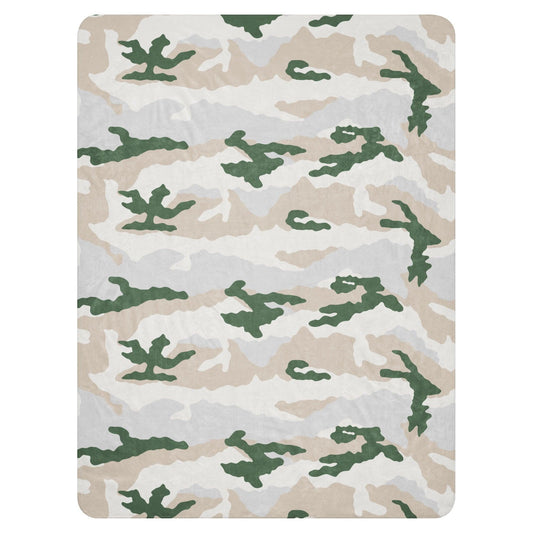
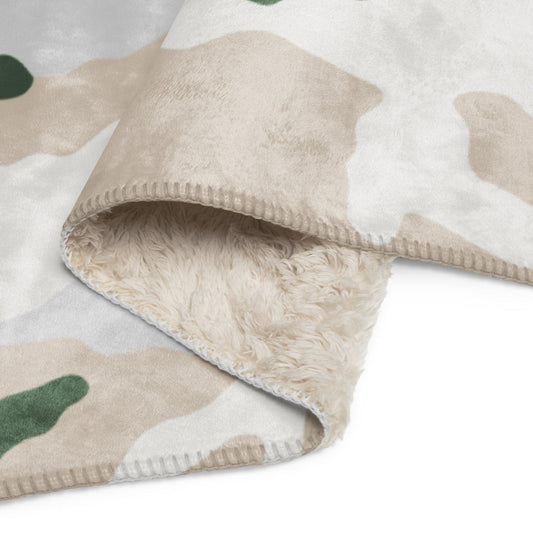
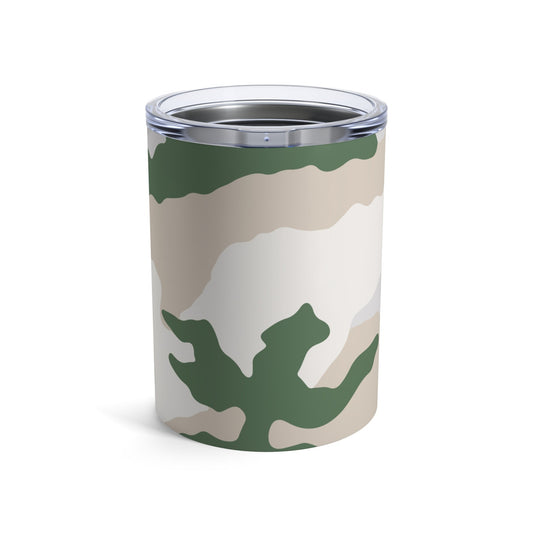
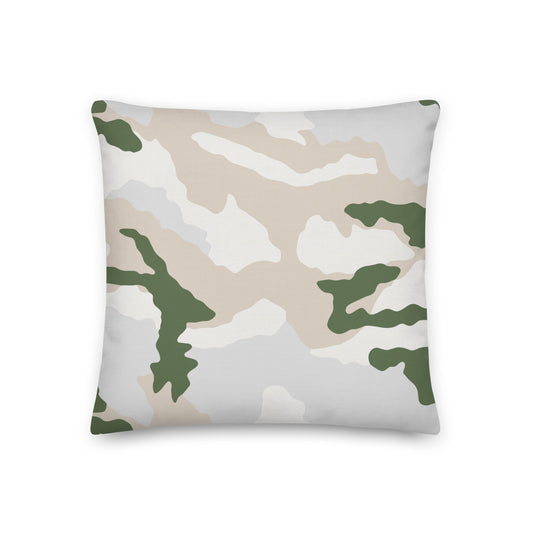
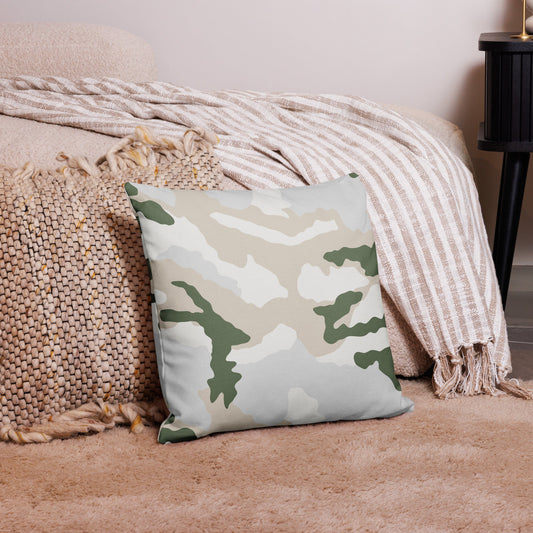
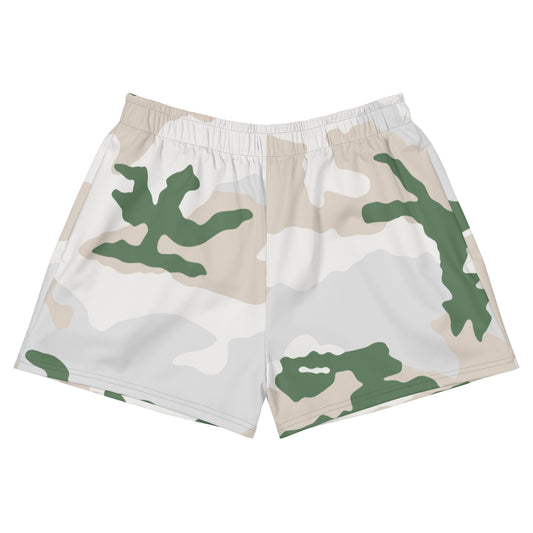
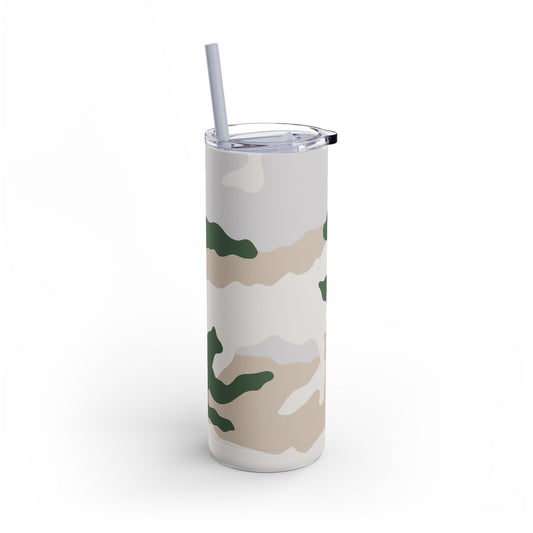
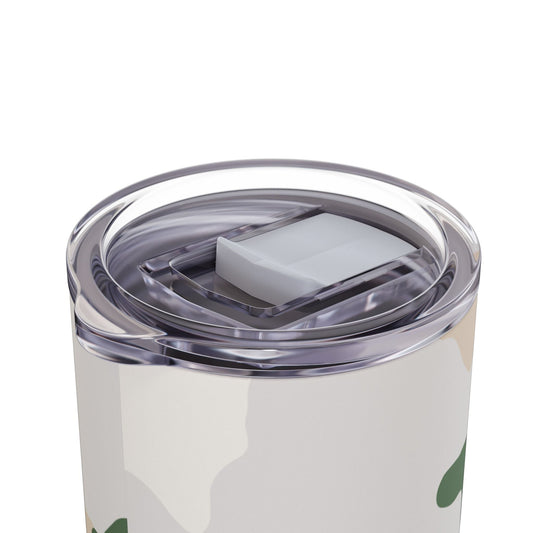
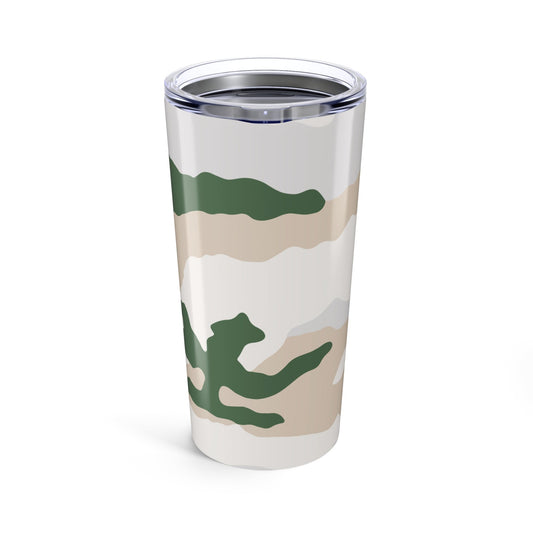
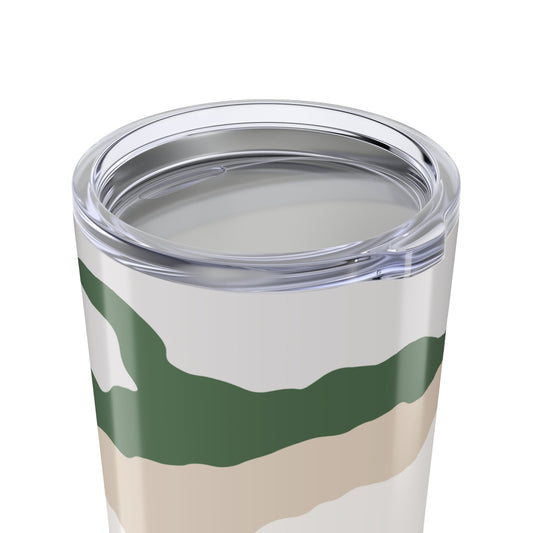
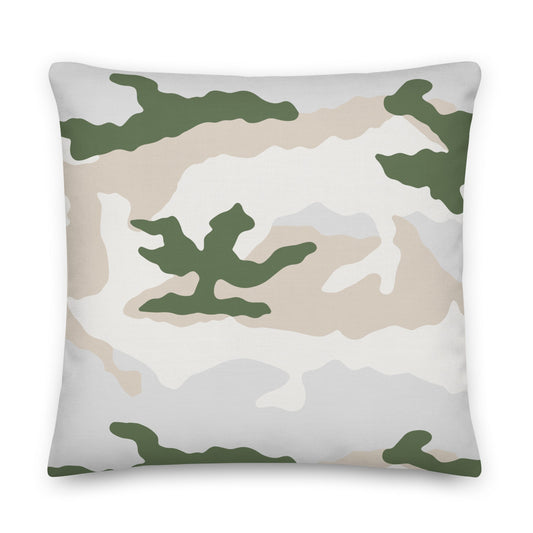
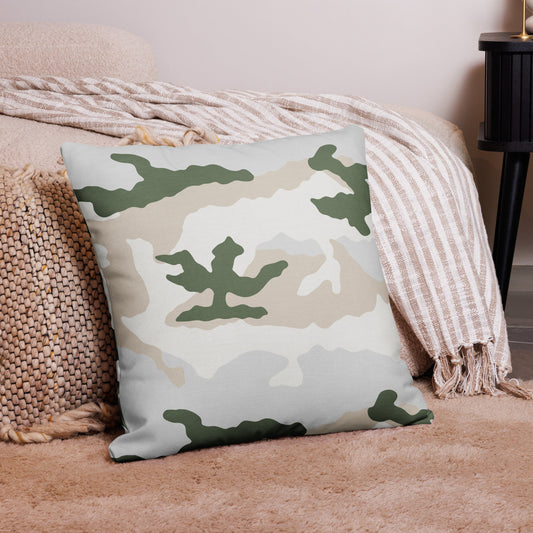
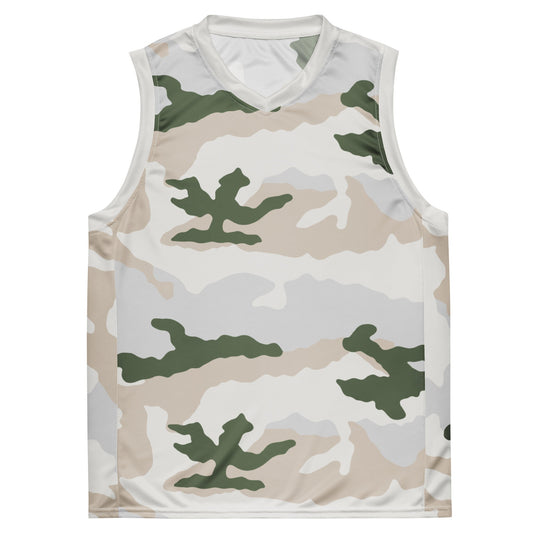
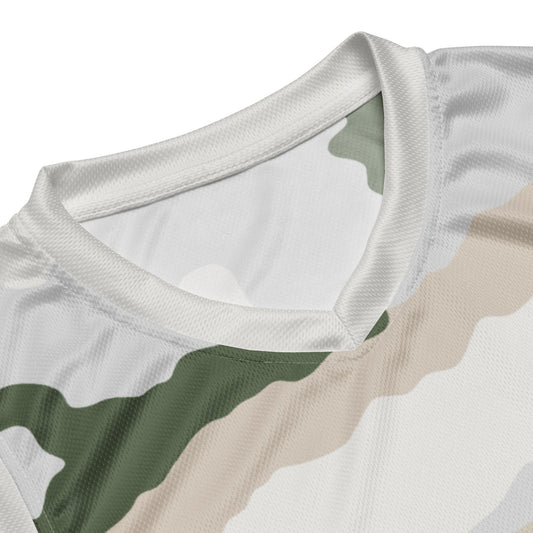
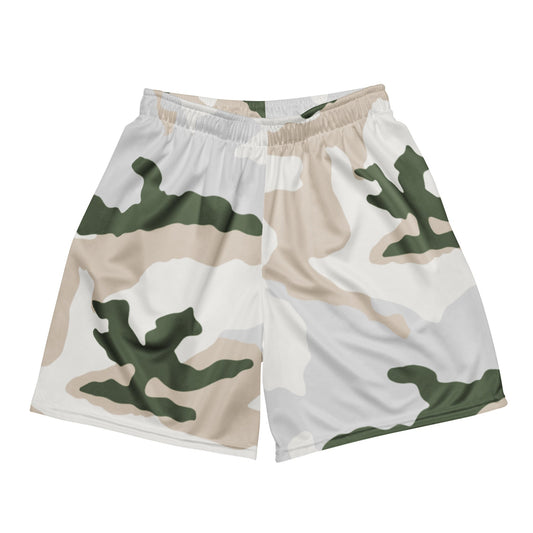
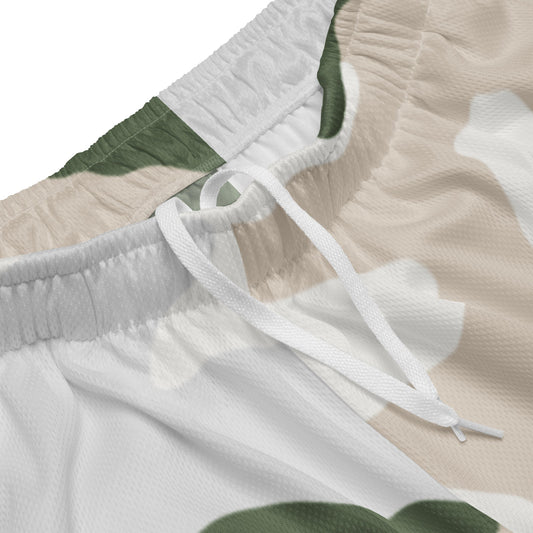
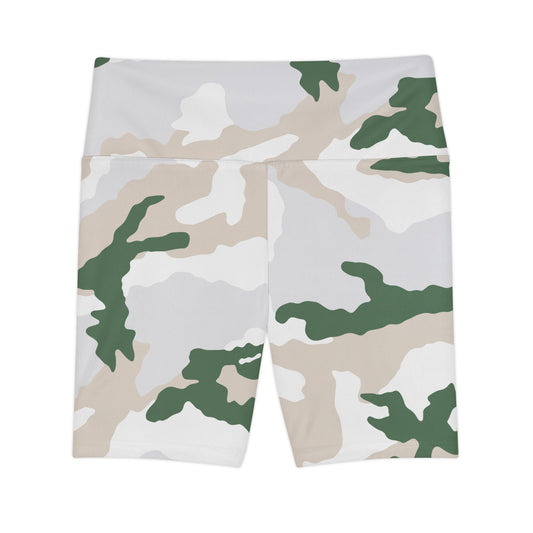
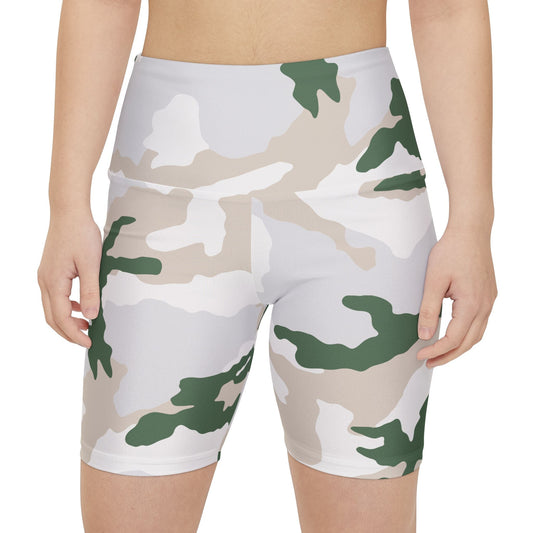
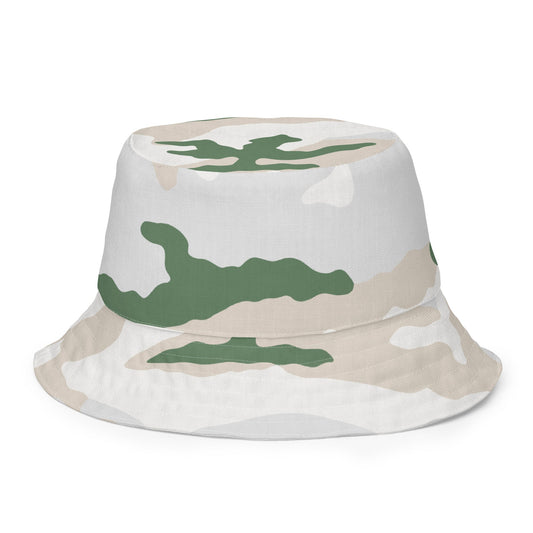
In 2024, the Tundra Alpine pattern gained a new four-color design. It improves adaptability across a broader range of snow-covered environments. This latest iteration adds a very light grey tone to the traditional palette. It creates additional depth that mimics natural variations in snow and ice. The update better conceals soldiers against alpine backdrops. Subtle layering of white, green, and pink alongside the new grey element creates a nuanced blend. It integrates well with various terrains, from open snowfields to shaded areas beneath tree cover.
This updated Tundra Alpine camouflage also includes enhancements to counter infrared detection. As night vision and thermal technology have advanced, new requirements emerged. Camouflage must now protect against both visible and infrared spectrums. The 2024 update incorporates advanced materials designed to scatter infrared light. This reduces the wearer’s heat signature and limits detection by modern thermal sensors. The improvement allows soldiers to maintain concealment from dawn through nightfall. It does this without compromising effectiveness against night vision devices or thermal imaging.
Design Influence: Tundra Alpine as the Winter Version of CCE Camouflage
One significant change in the 2024 update is the pattern design itself. It is now based on the Centre-Europe (CCE) camouflage used by the French Army. This effectively makes the Tundra Alpine Winter Camouflage the winter variant of CCE. It is also referred to as Camouflage Centre-Europe Hiver (CCEH). The new pattern structure maintains the recognizable shape and geometry of CCE. Soldiers using both camouflage types now have a consistent design adapted to different seasonal environments.
By mirroring CCE’s design, the Tundra Alpine update creates a seamless terrain transition. It bridges woodland and snow-covered environments. This approach allows French forces to standardize their camouflage strategy across multiple environments. Adoption of this CCE-based structure supports the French Army’s pattern consistency strategy. They maintain consistent geometry while tailoring color palettes to specific operational needs.

Technological Advancements in Material Design In addition to color enhancements, the updated Tundra Alpine camouflage uses lighter, moisture-wicking materials. These fabrics are both breathable and insulating. They ensure that soldiers remain agile and comfortable, crucial in high-altitude operations. In such conditions, flexibility and thermal regulation are key. The advanced materials used in this update help soldiers regulate body temperature. They reduce risks from both hypothermia and overheating. This is particularly important for long, physically demanding missions in mountainous and snowy regions.
The 2024 Tundra Alpine Winter Camouflage update increases adaptability across many environments. It works in snow-covered mountain terrains and transitional areas. These areas often shift quickly with altitude or seasonal changes. This pattern excels in mixed areas with snow patches, rocky surfaces, and dense vegetation. It provides effective concealment in diverse landscapes. Multi-environment adaptability reduces the need for additional gear changes. It also maintains soldier readiness for rapid deployment.

The updated Tundra Alpine Winter Camouflage underscores the French Army’s dedication to improving camouflage for evolving operational needs. It integrates cutting-edge technology with practical design. By improving both visual and infrared concealment, this update extends the Tundra Alpine legacy. It bridges the gap between traditional camouflage and modern technological demands. The pattern’s ongoing evolution highlights the need for multi-environment adaptability in military camouflage. It reinforces the importance of combining natural and infrared protection.
This 2024 version represents a new era in winter camouflage. It offers comprehensive concealment for day and night operations. The update addresses both thermal and infrared detection threats. The Tundra Alpine Winter Camouflage’s evolution exemplifies the modern shift toward adaptive camouflage. It blends visual concealment with advanced sensor evasion. This combination is a vital asset for military operations in the 21st century.