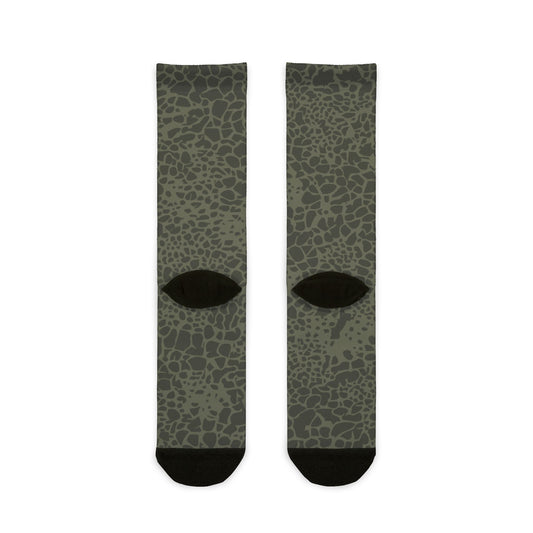
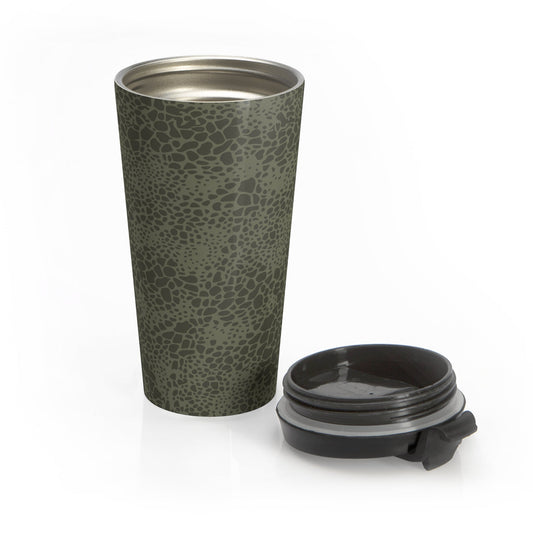
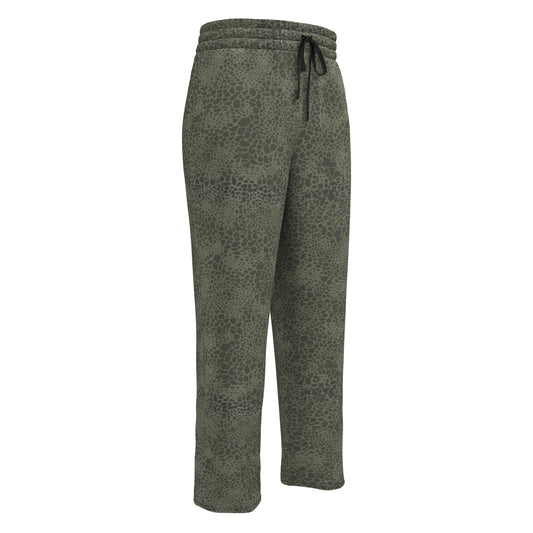
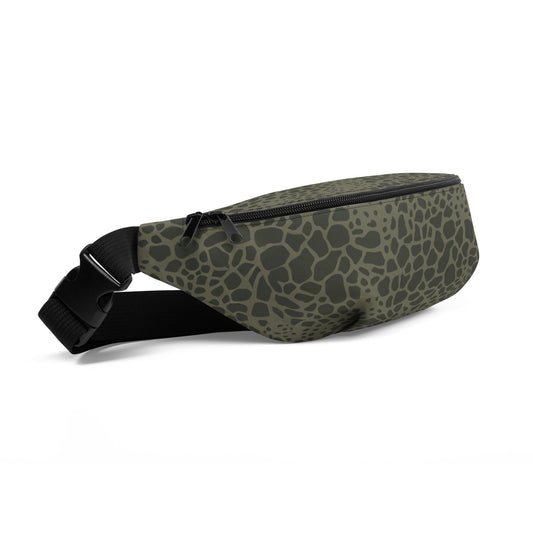
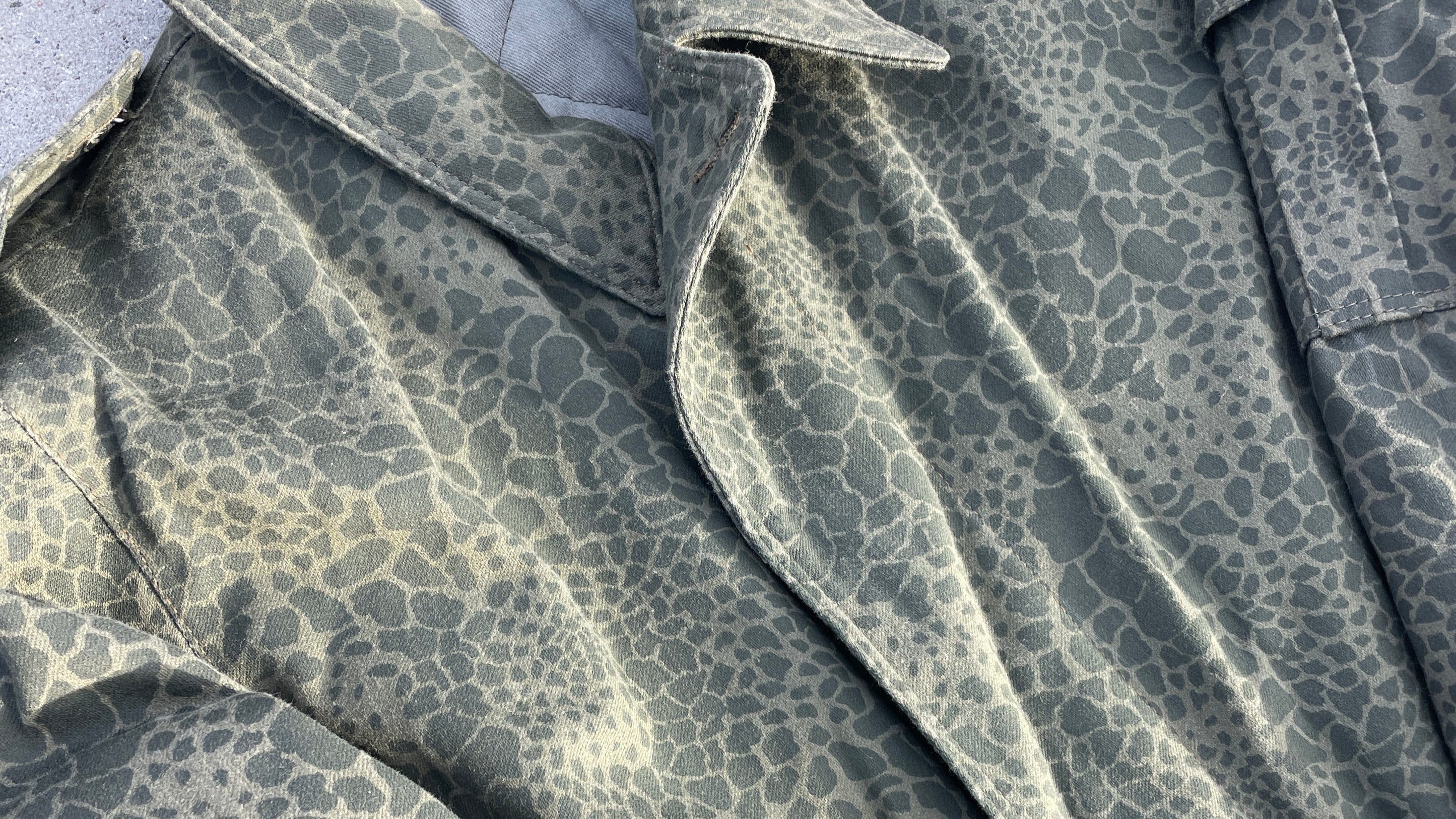
Although the Wz. 89 Puma was relatively short-lived, being replaced by the Wz. 93 Pantera camouflage in the early 1990s, it remains a notable example of Eastern European military camouflage design. The Puma pattern holds historical significance due to its use during a time of political and military change in Poland and has become a collectible for military enthusiasts and historians interested in Cold War-era camouflage.
Today, the Wz. 89 Puma pattern is appreciated for its distinct appearance and its place in Poland’s military history, representing a unique blend of form and function during a pivotal moment in the country’s defense evolution.


 Sold out