


01 / 11

Pietruszka · Crossbody Bags & Waistpacks
Pietruszka Camo Crossbody Bag
Pietruszka Camo Crossbody Bag
Regular price
$37.95 USD
Regular price
Sale price
$37.95 USD
Unit price
per
Shipping calculated at checkout.
Shipping calculated at checkout
Couldn't load pickup availability
Free 30-day returns · US & Canada
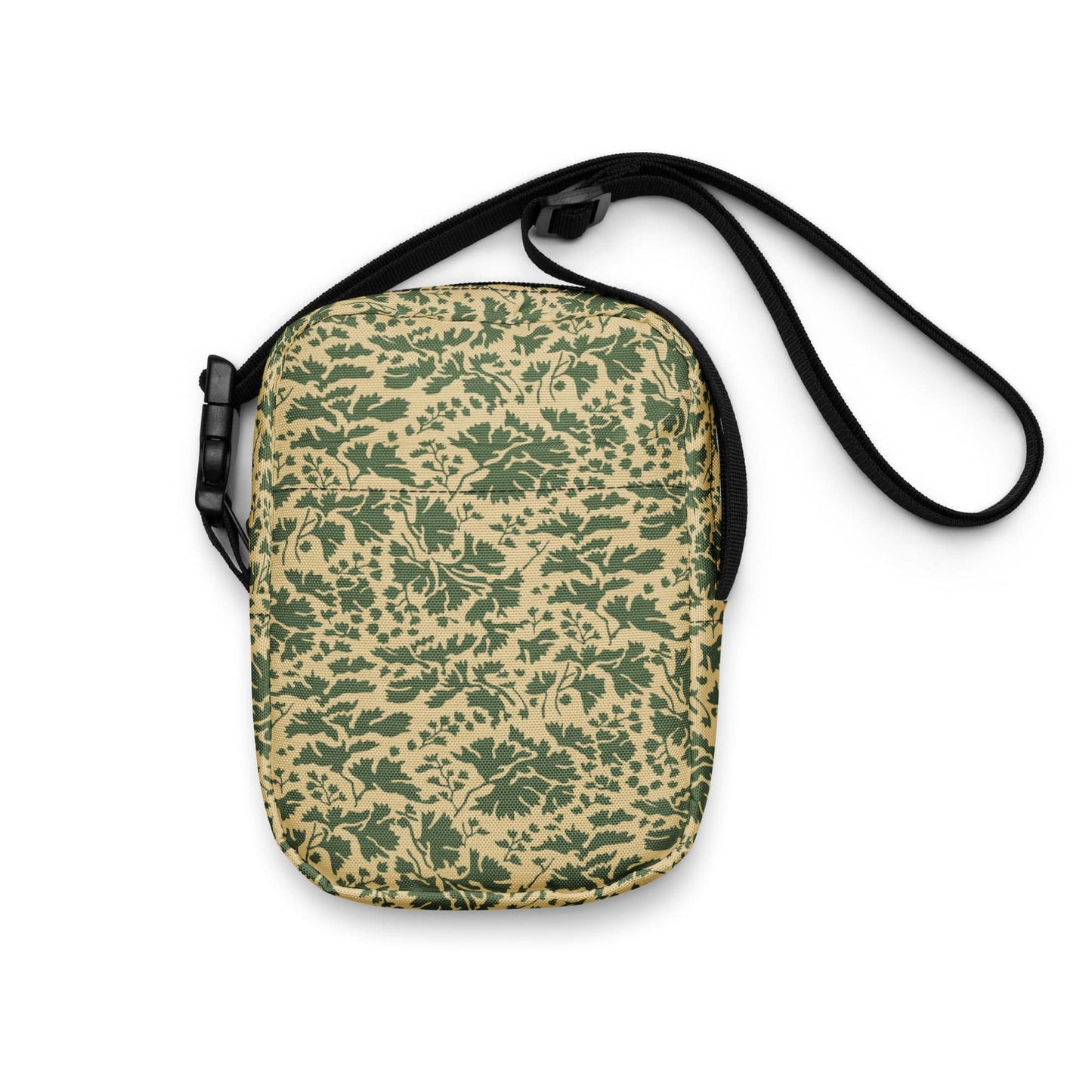
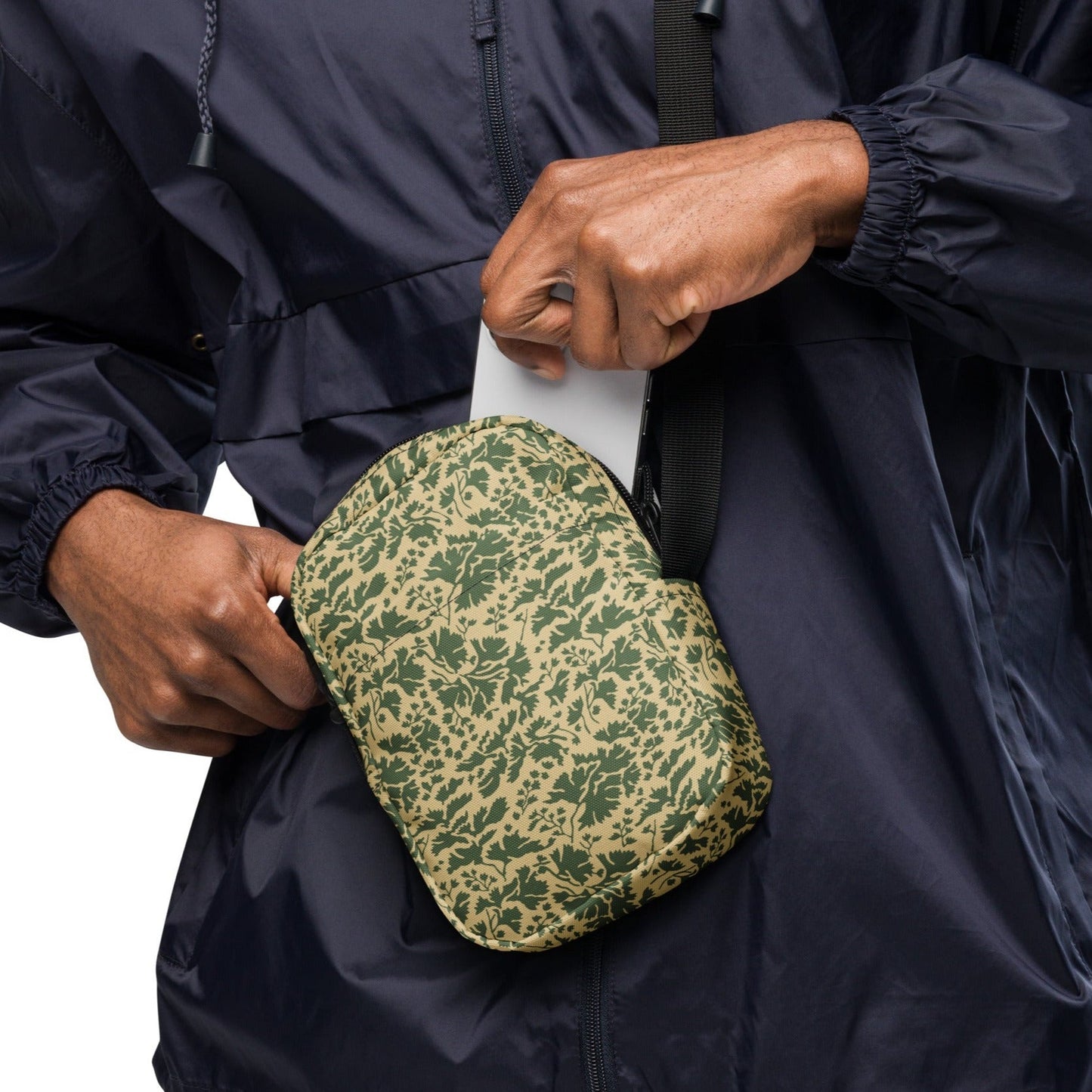
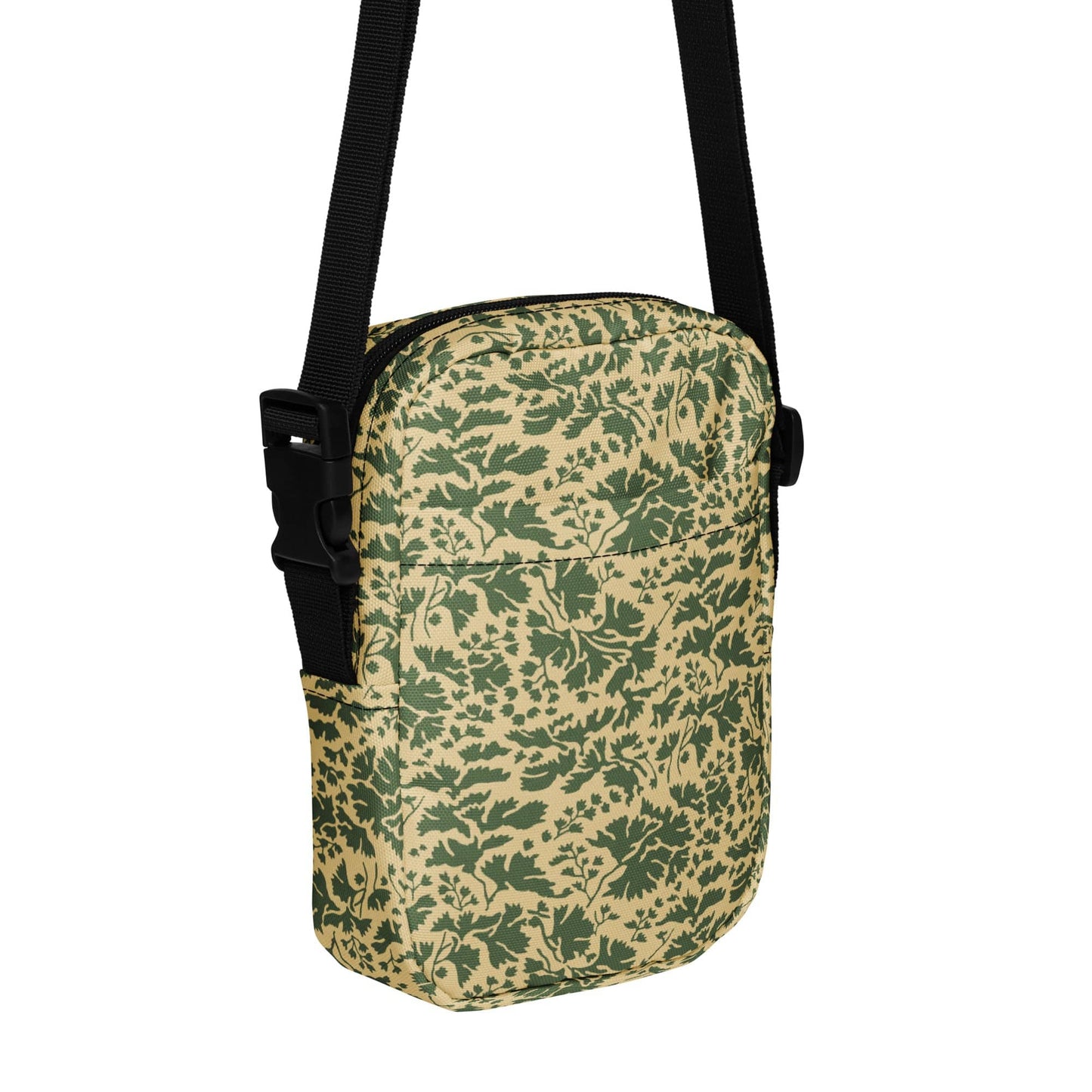
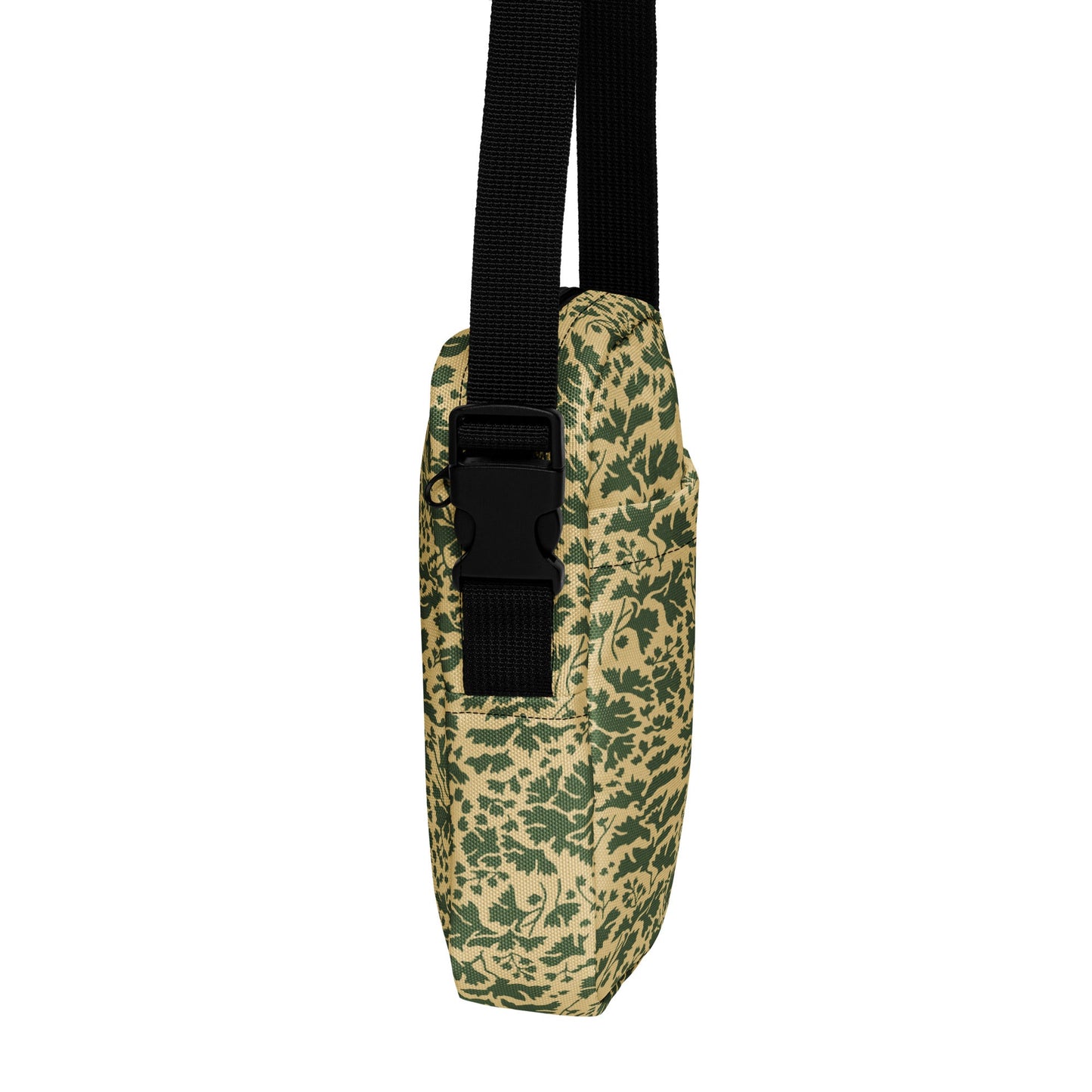
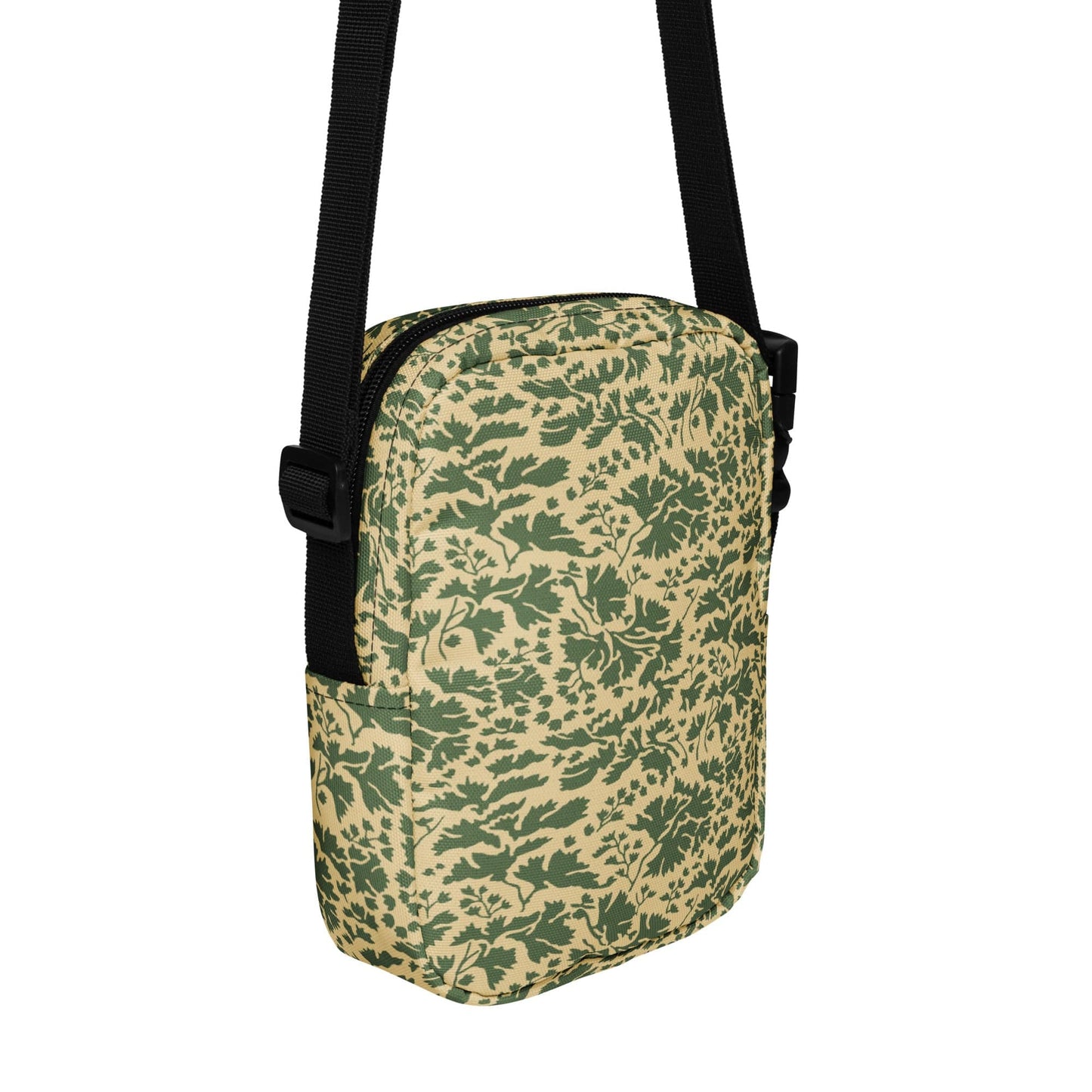
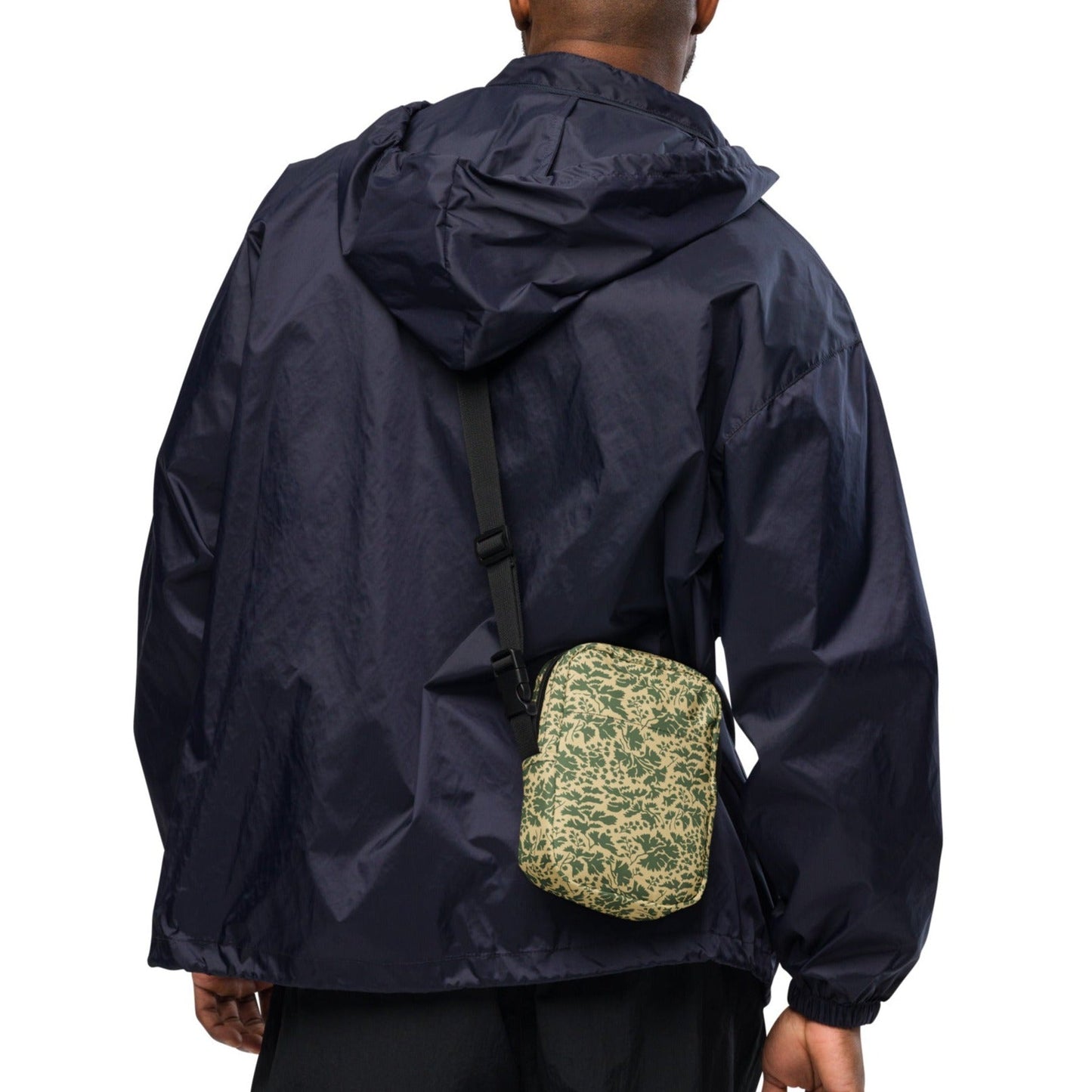
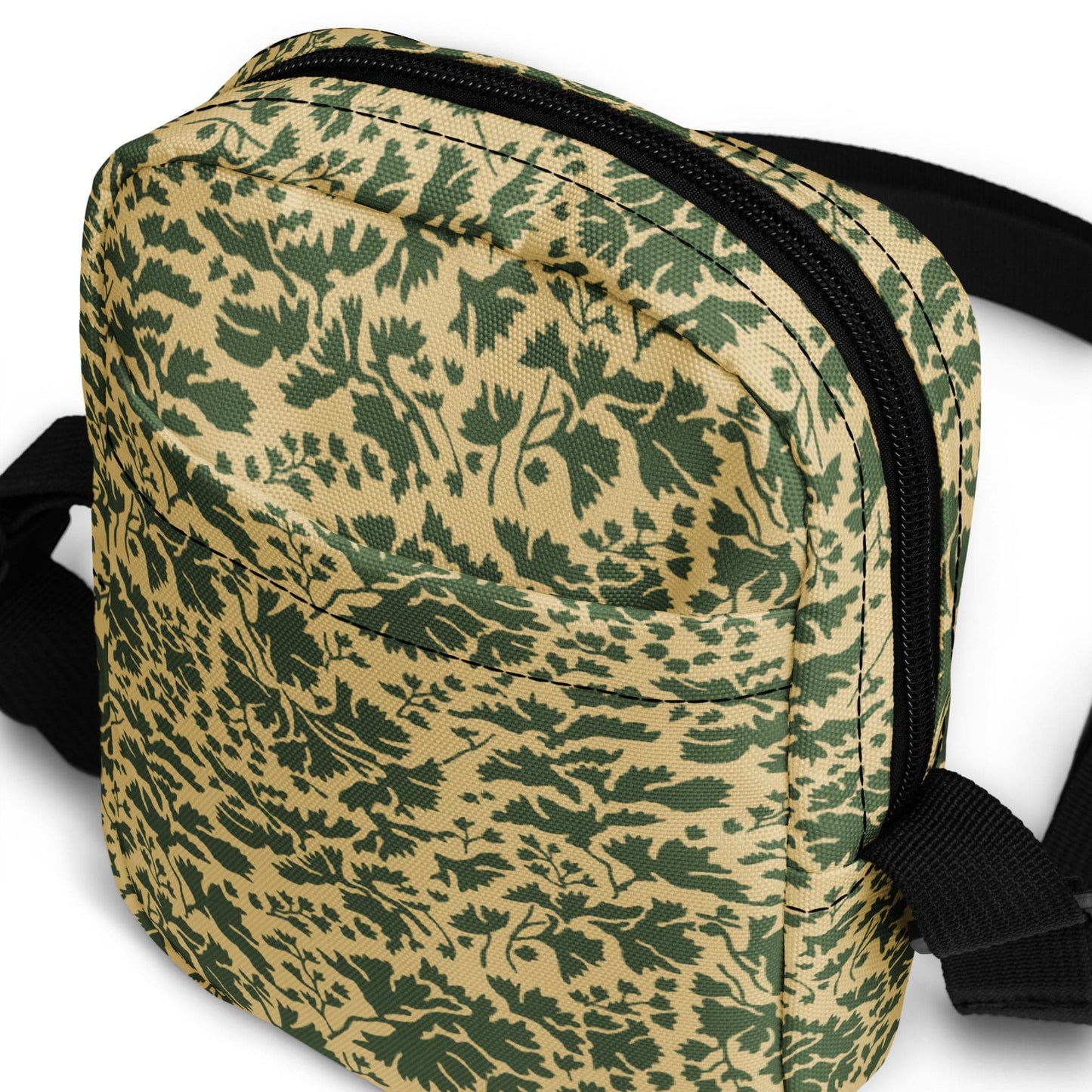
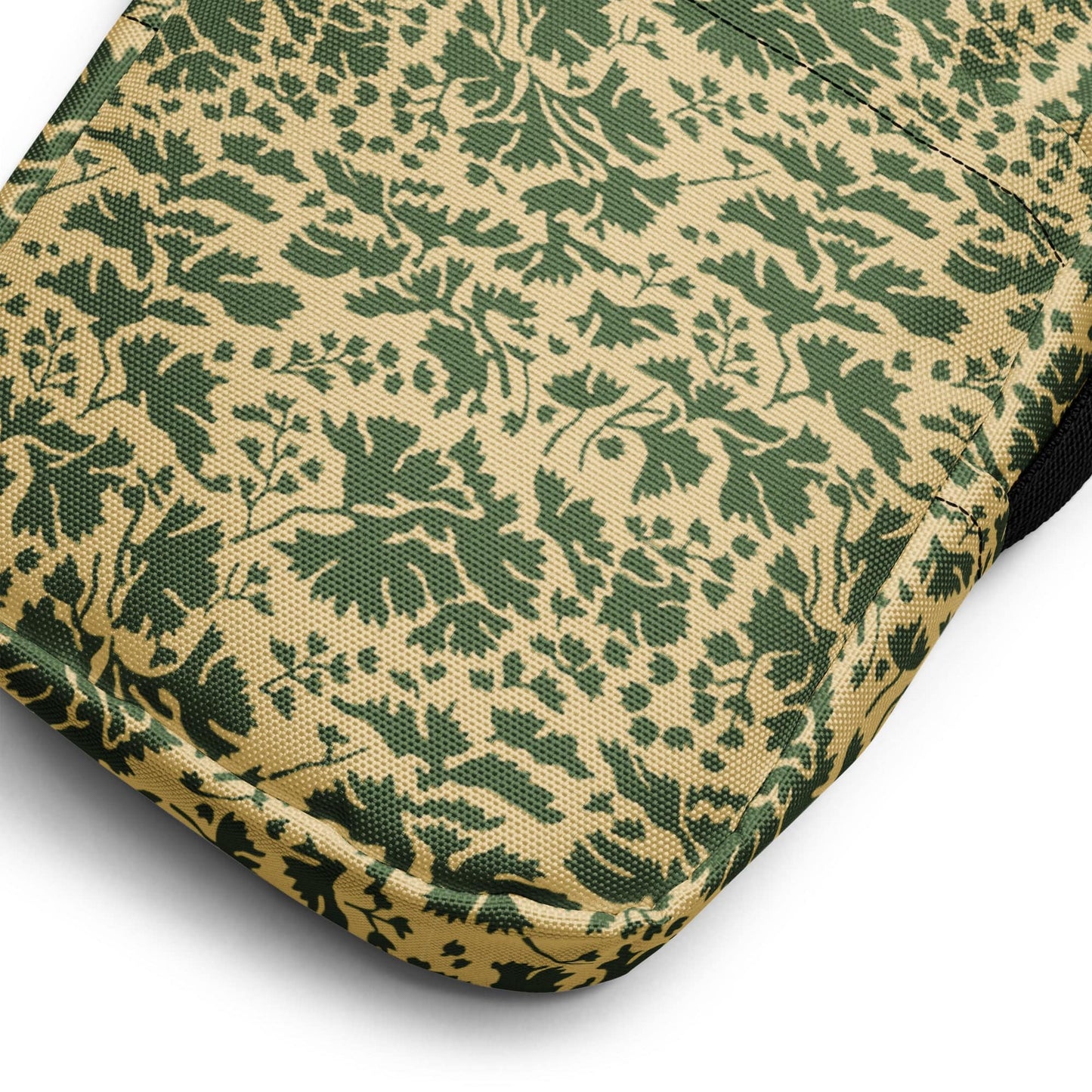
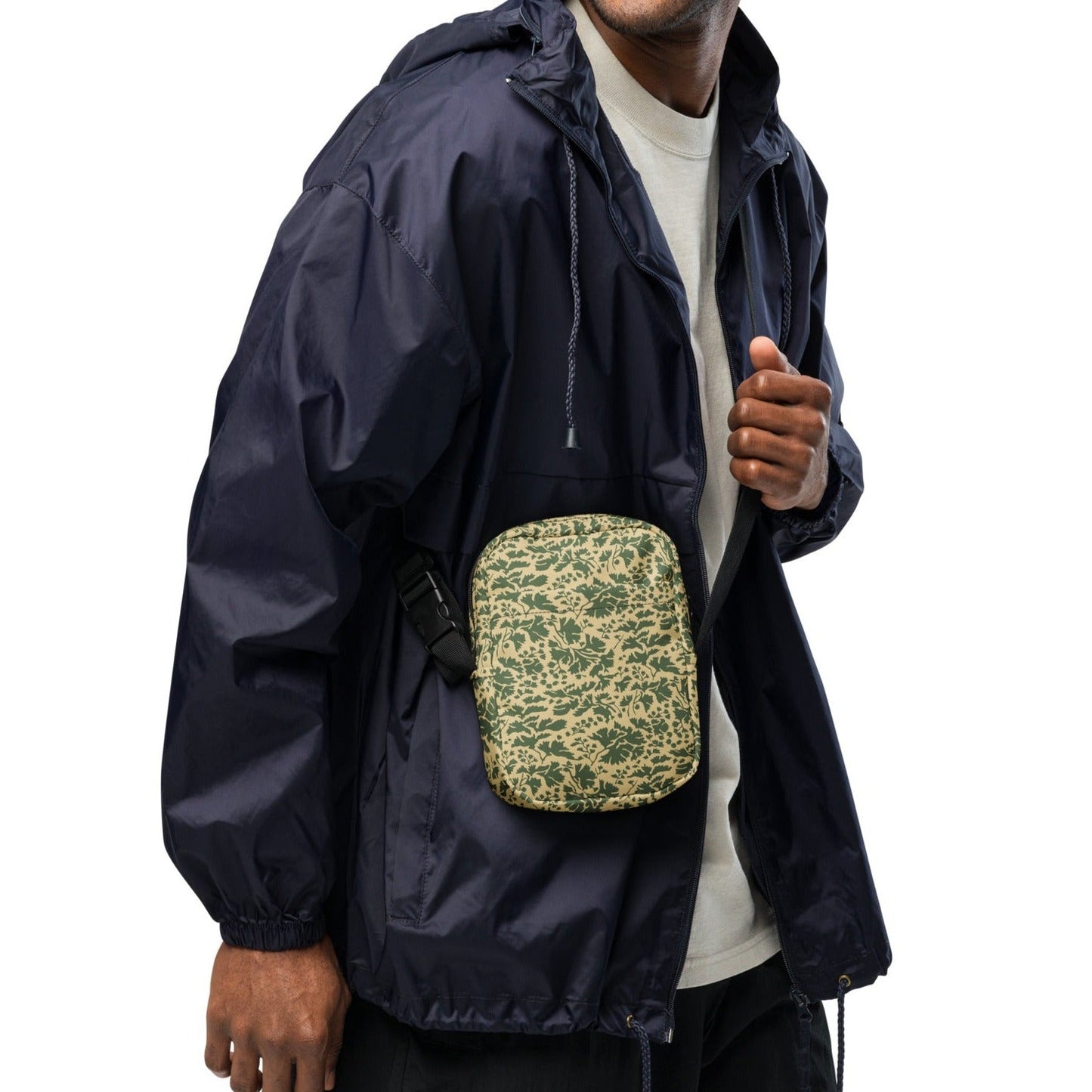
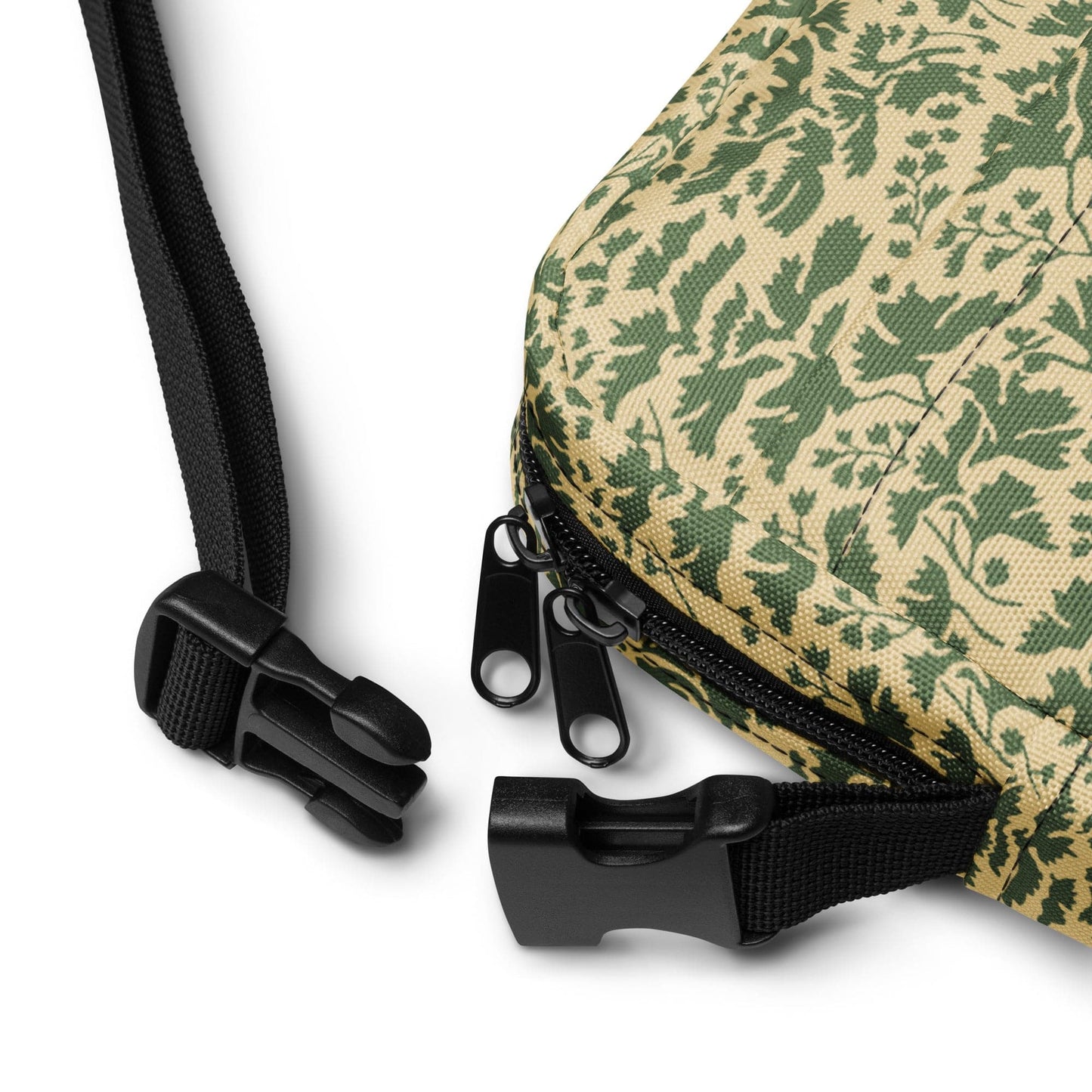
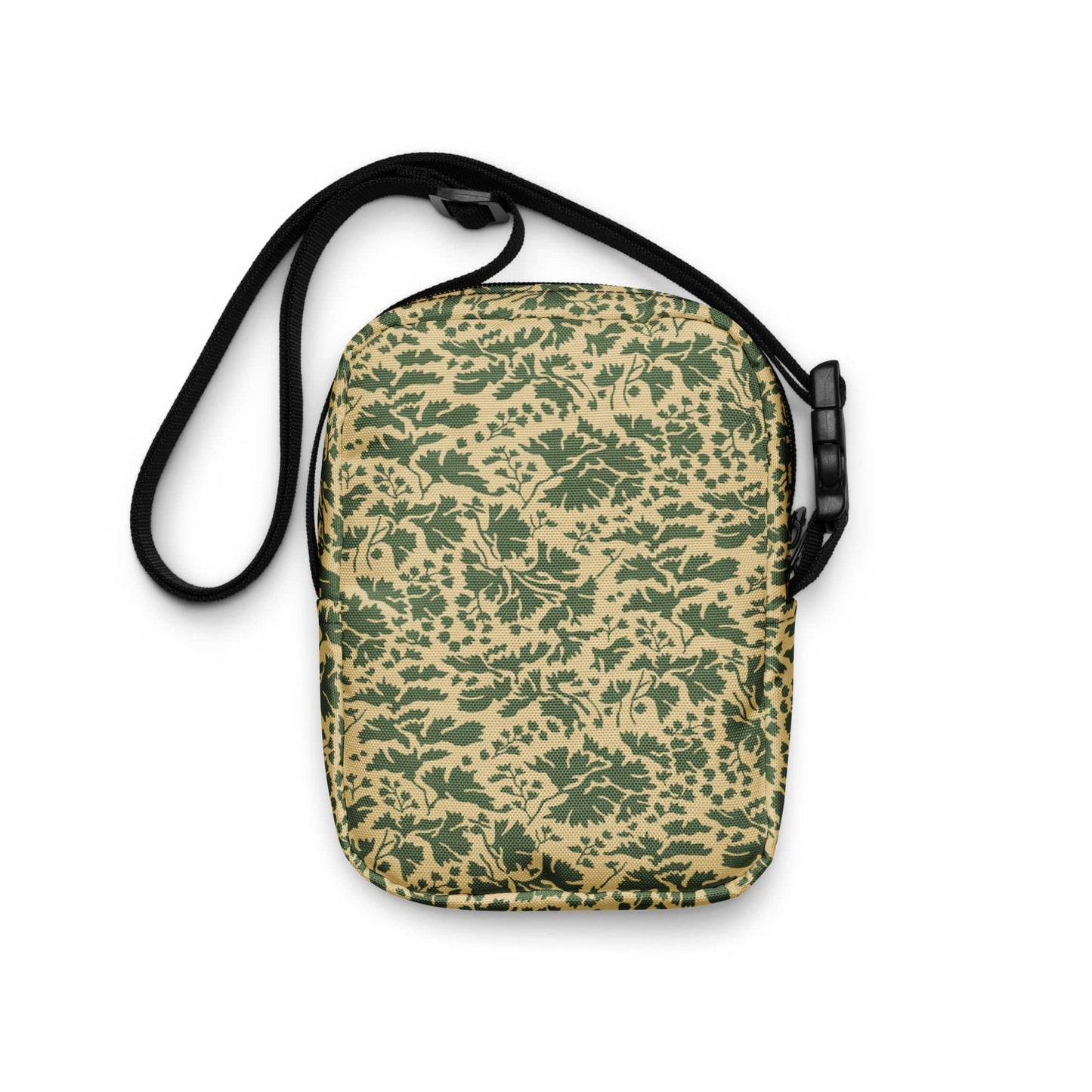
Pietruszka “Parsley” — Poland's first official military camouflage, adopted in 1952 — uses a loose foliage scatter of olive, tan, and dark green shapes referencing Central European woodland. On a vertical nylon crossbody bag the print maintains enough repeat scale for the individual foliage elements to register clearly across the main panels.
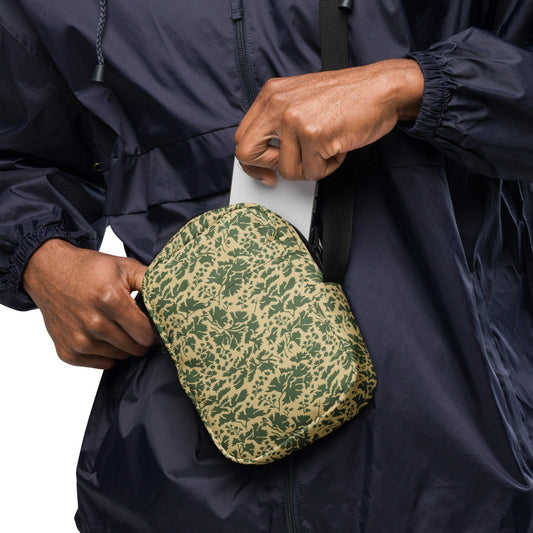
Vertical nylon crossbody with front zip pocket and adjustable strap. Dimensions: 4.7″ × 9″ × 2.4″.
Specs
Shipping & returns
Free US shipping on orders over $95. Shipping calculated at checkout. 30-day returns, with free return shipping in the US and Canada.
Customer Reviews
Be the first to write a review
0%
(0)
0%
(0)
0%
(0)
0%
(0)
0%
(0)

Pietruszka Camo Crossbody Bag
Regular price
$37.95 USD
Regular price
Sale price
$37.95 USD
Unit price
per