


01 / 12

Desert Night · Crossbody Bags & Waistpacks
Desert Night Camo Crossbody Bag
Desert Night Camo Crossbody Bag
Regular price
$37.95 USD
Regular price
Sale price
$37.95 USD
Unit price
per
Shipping calculated at checkout.
Shipping calculated at checkout
Couldn't load pickup availability
Free 30-day returns · US & Canada
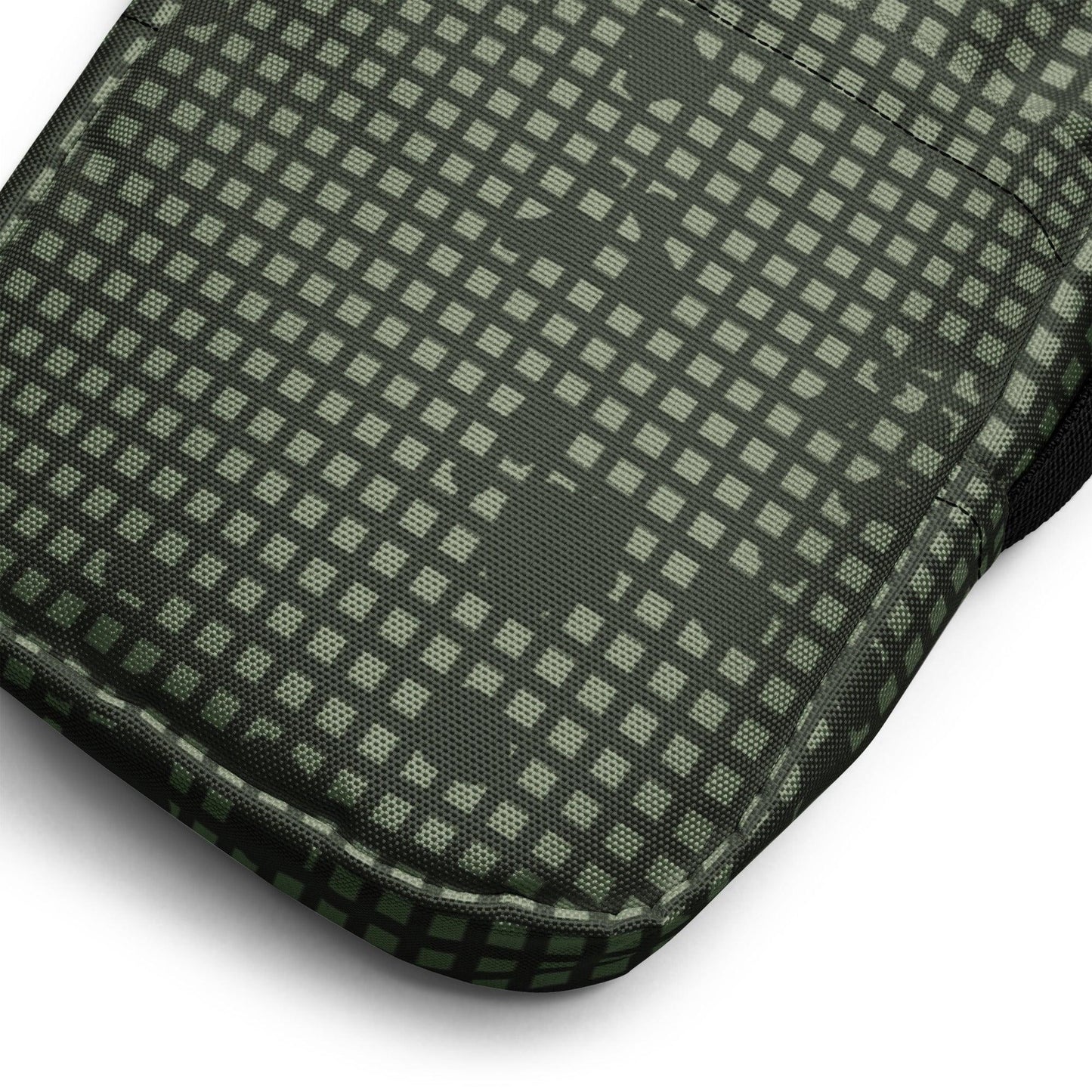
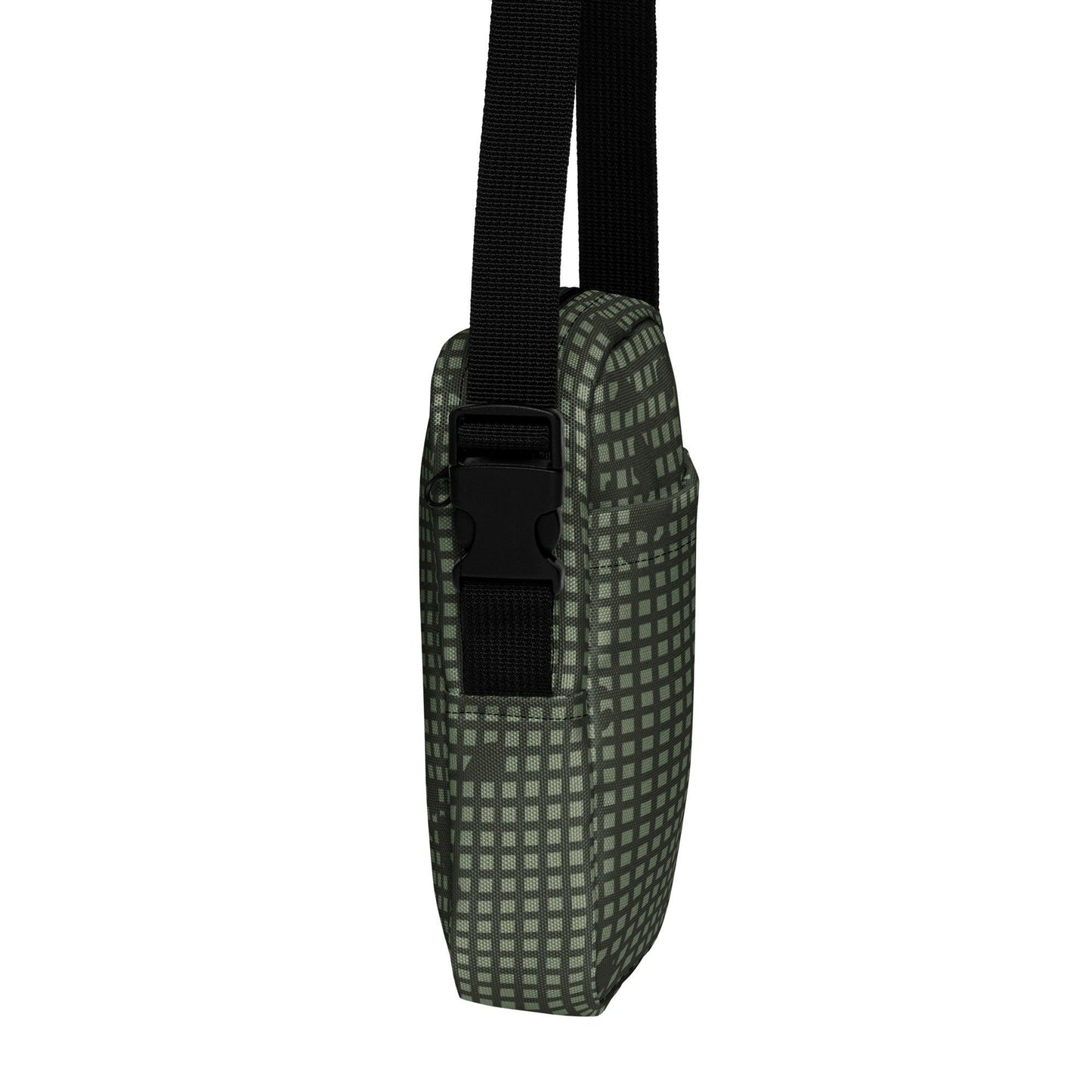
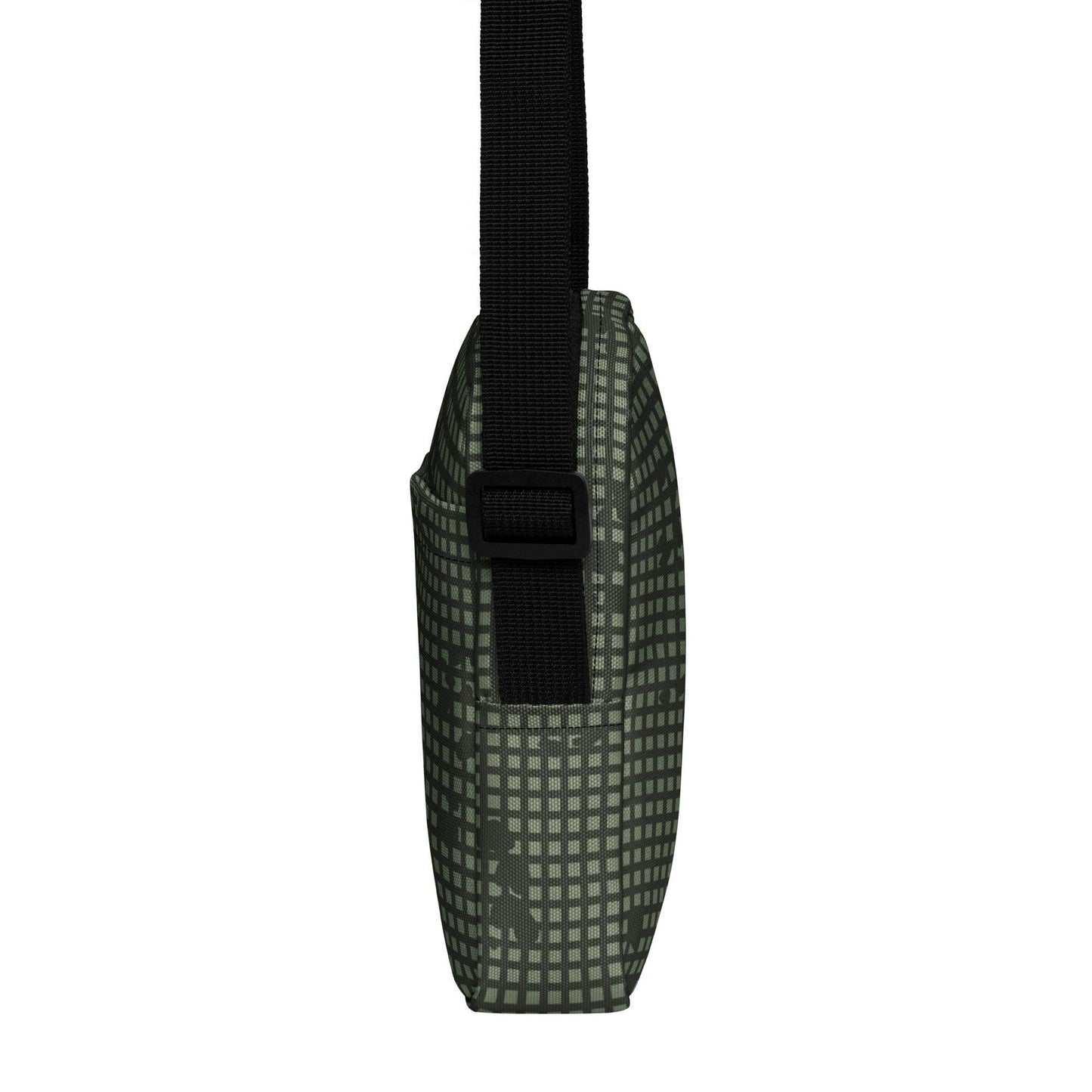
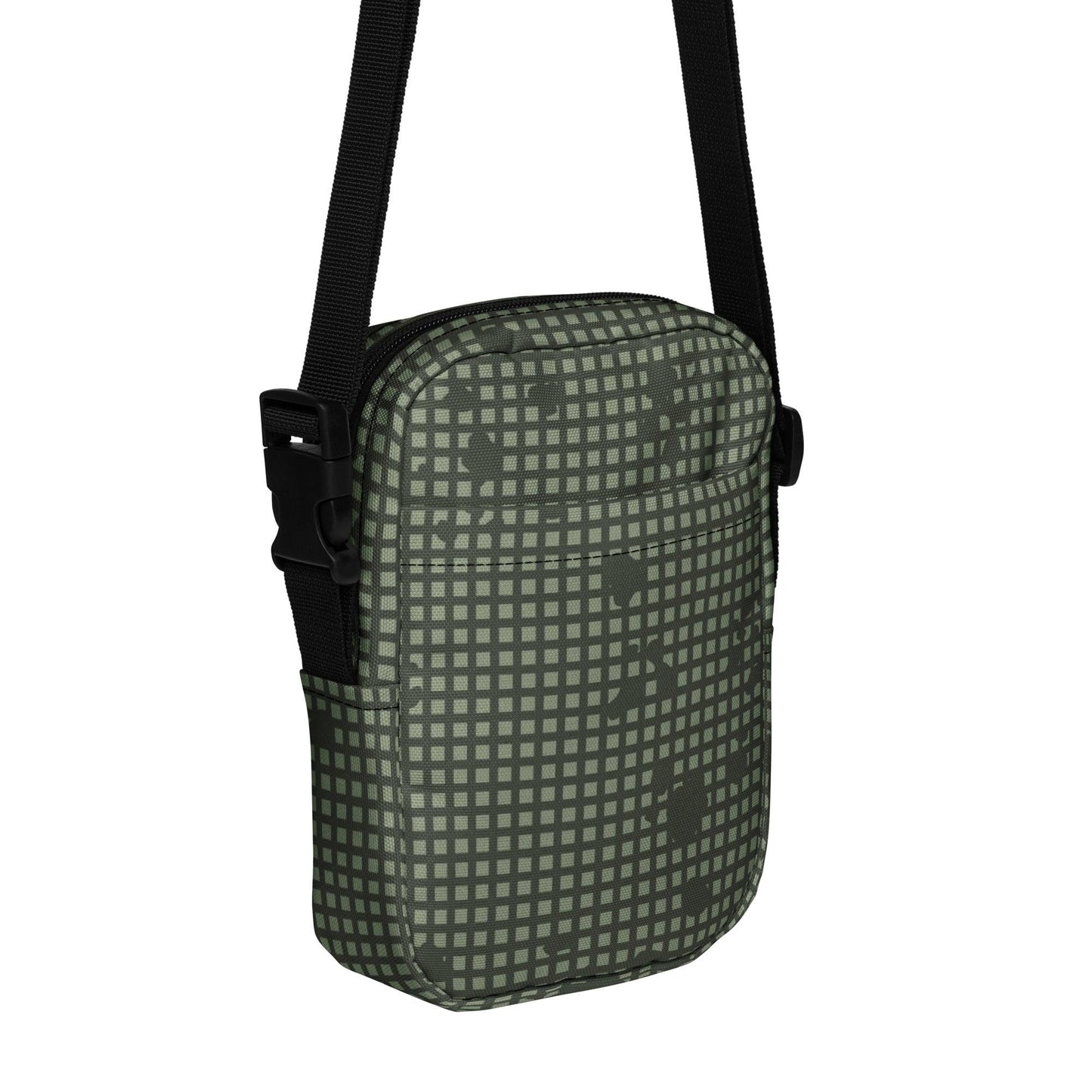
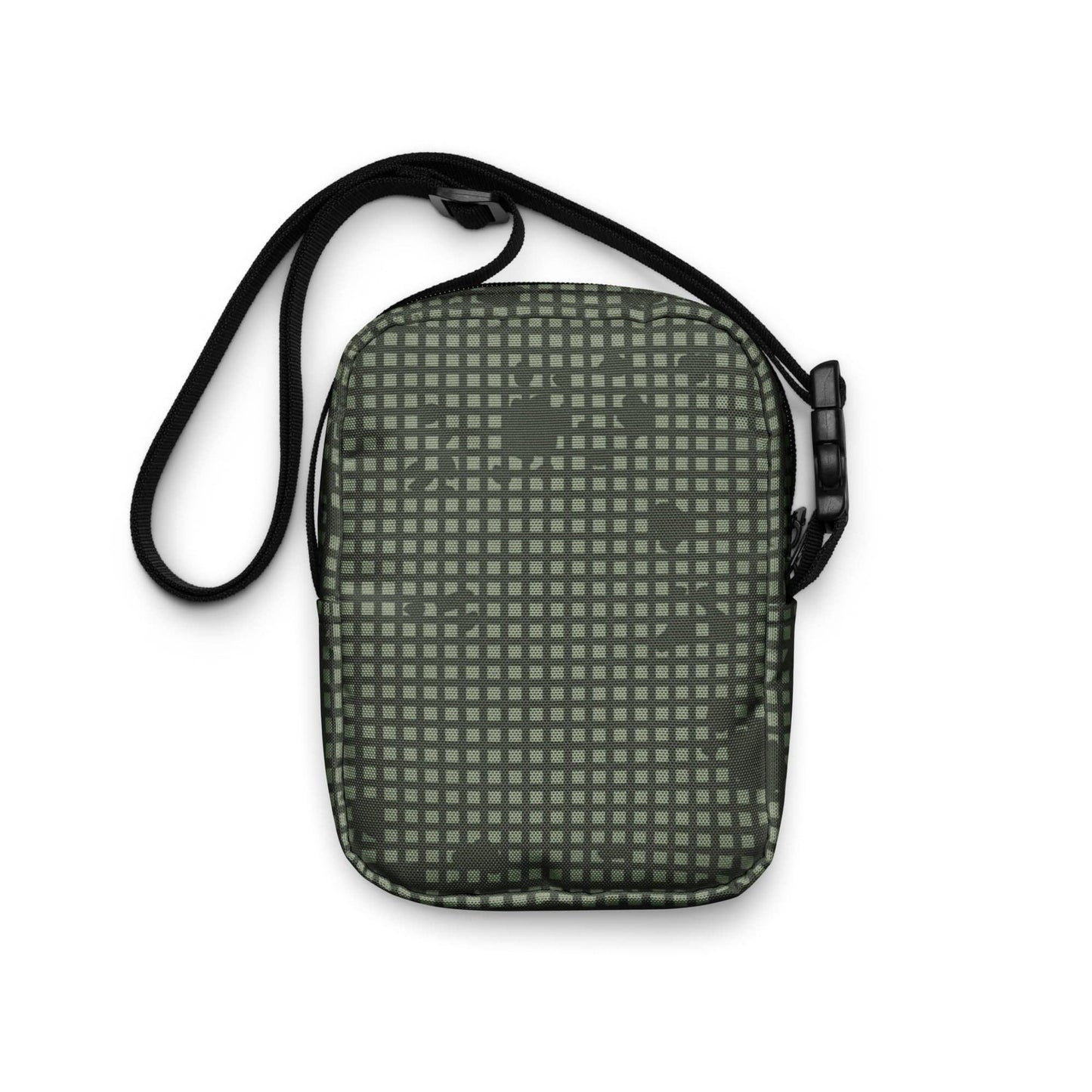
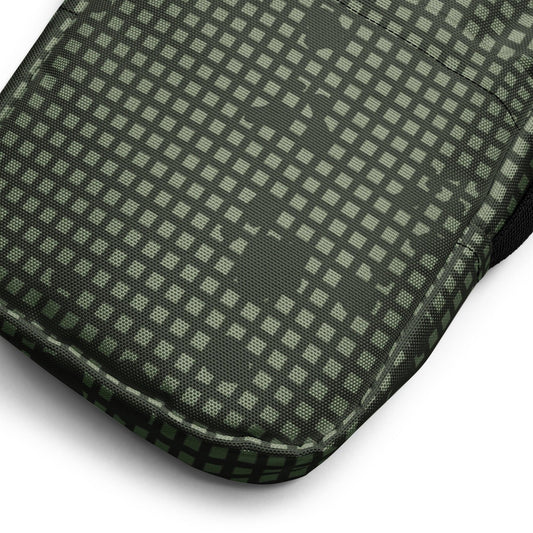
Desert Night camouflage — the three-color black-dominant pattern used on late Cold War U.S. special operations gear — is printed full-bleed on the panels of this vertical crossbody bag. The night-operation palette of chocolate brown, tan, and near-black reads as a graphic from a distance and resolves into the disruptive geometry of the print at close range.
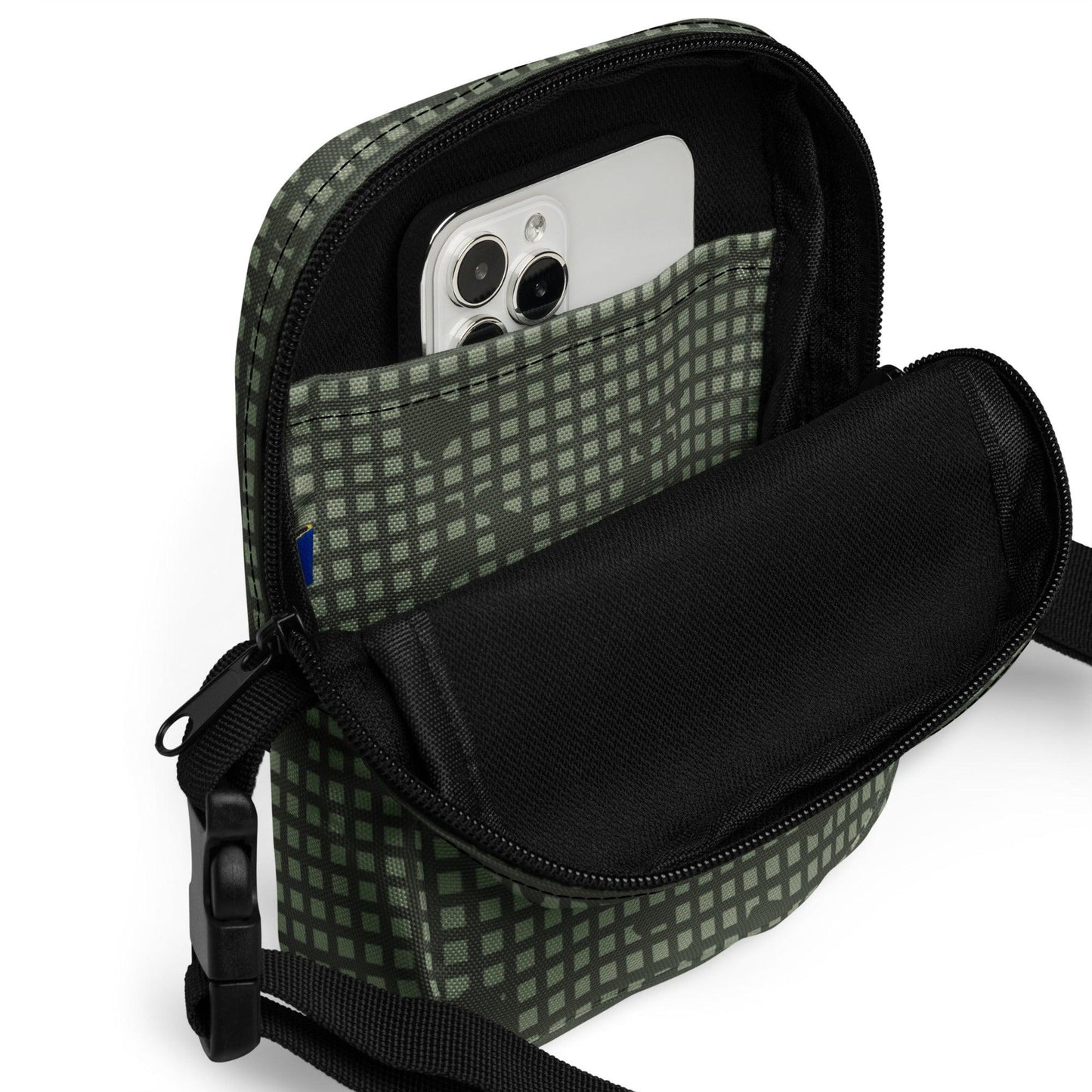
Vertical profile with front zip pocket and adjustable strap. Nylon construction. Dimensions: 4.7″ × 9″ × 2.4″.
Specs
Shipping & returns
Free US shipping on orders over $95. Shipping calculated at checkout. 30-day returns, with free return shipping in the US and Canada.





Customer Reviews
Be the first to write a review
0%
(0)
0%
(0)
0%
(0)
0%
(0)
0%
(0)

Desert Night Camo Crossbody Bag
Regular price
$37.95 USD
Regular price
Sale price
$37.95 USD
Unit price
per