Camouflage record
Leibermuster
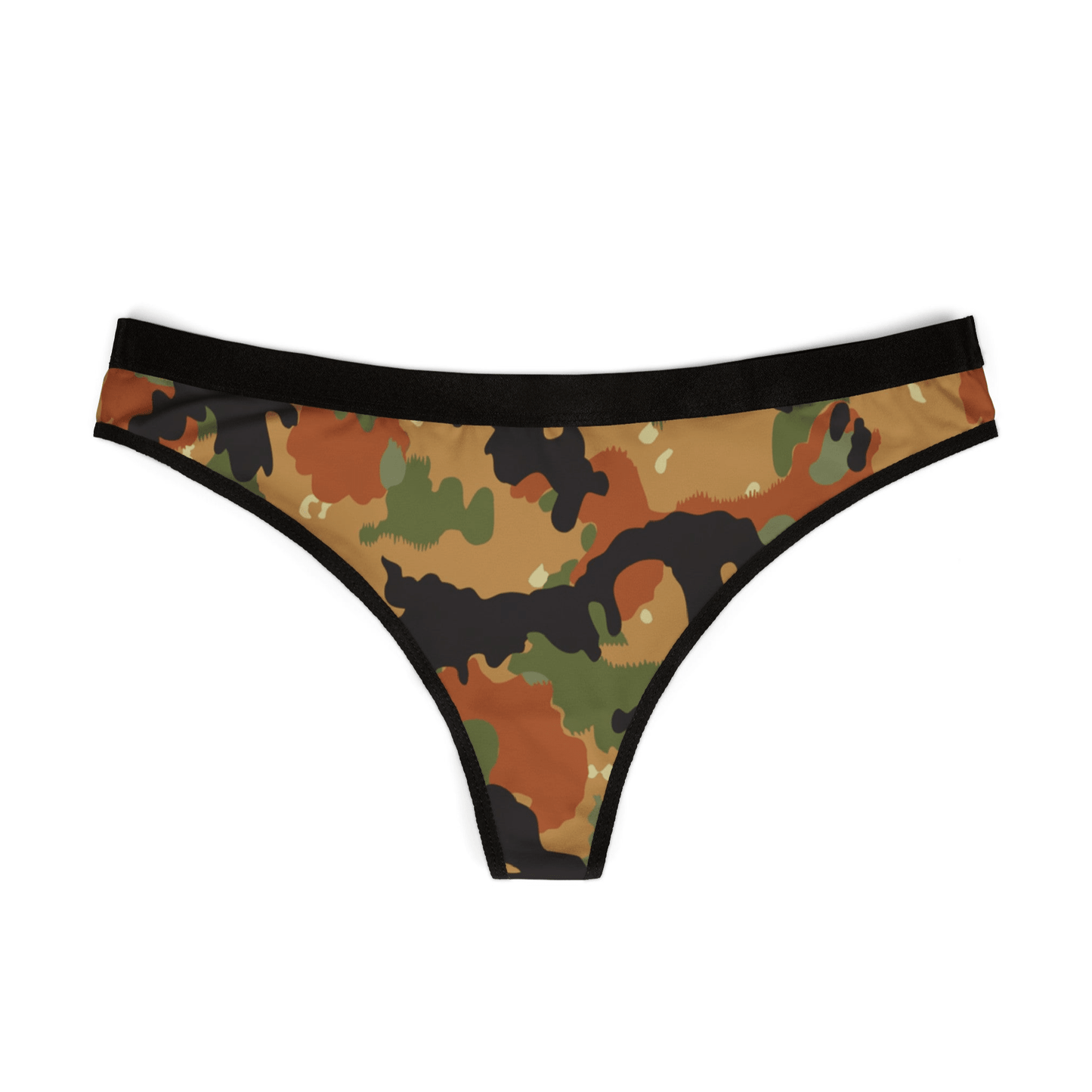
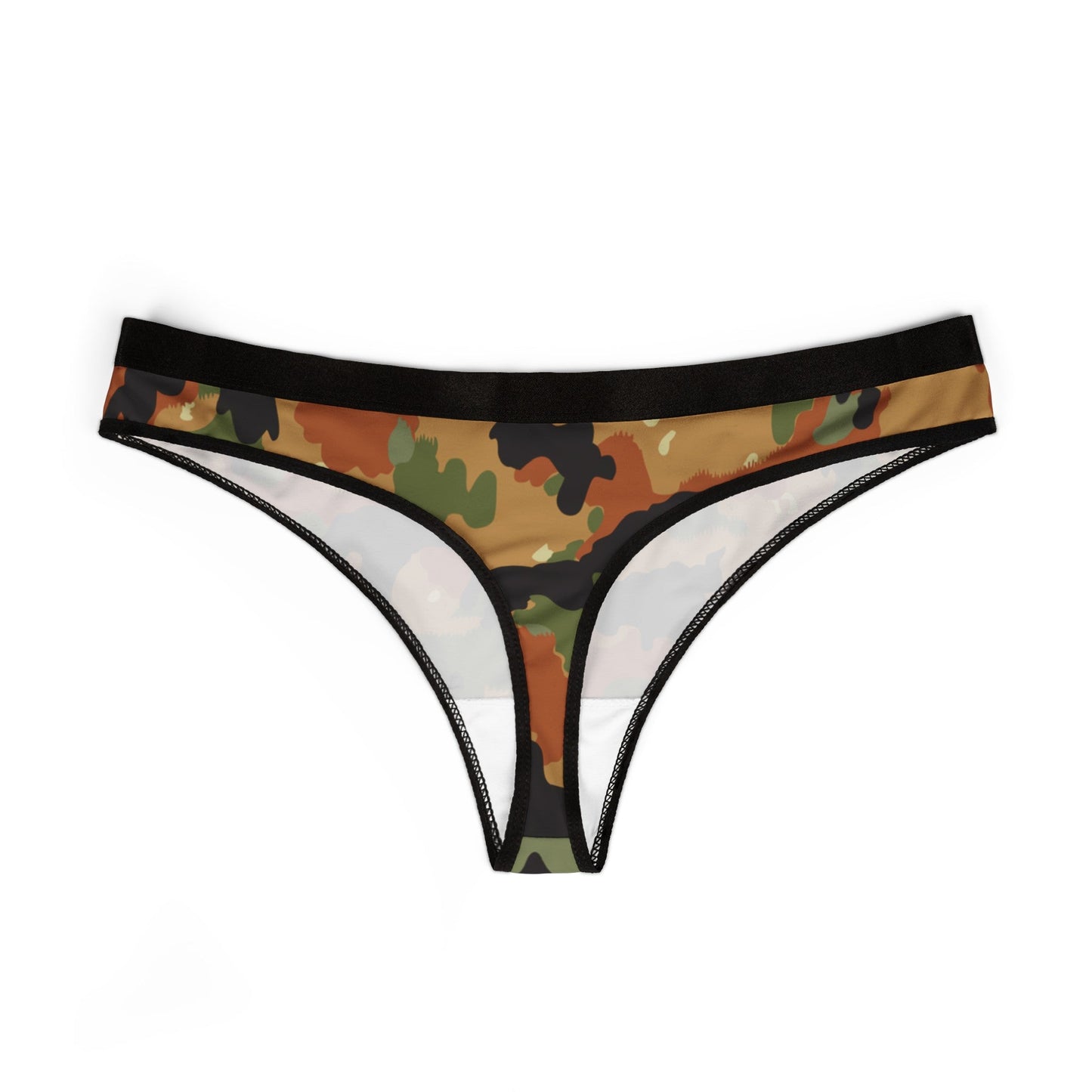
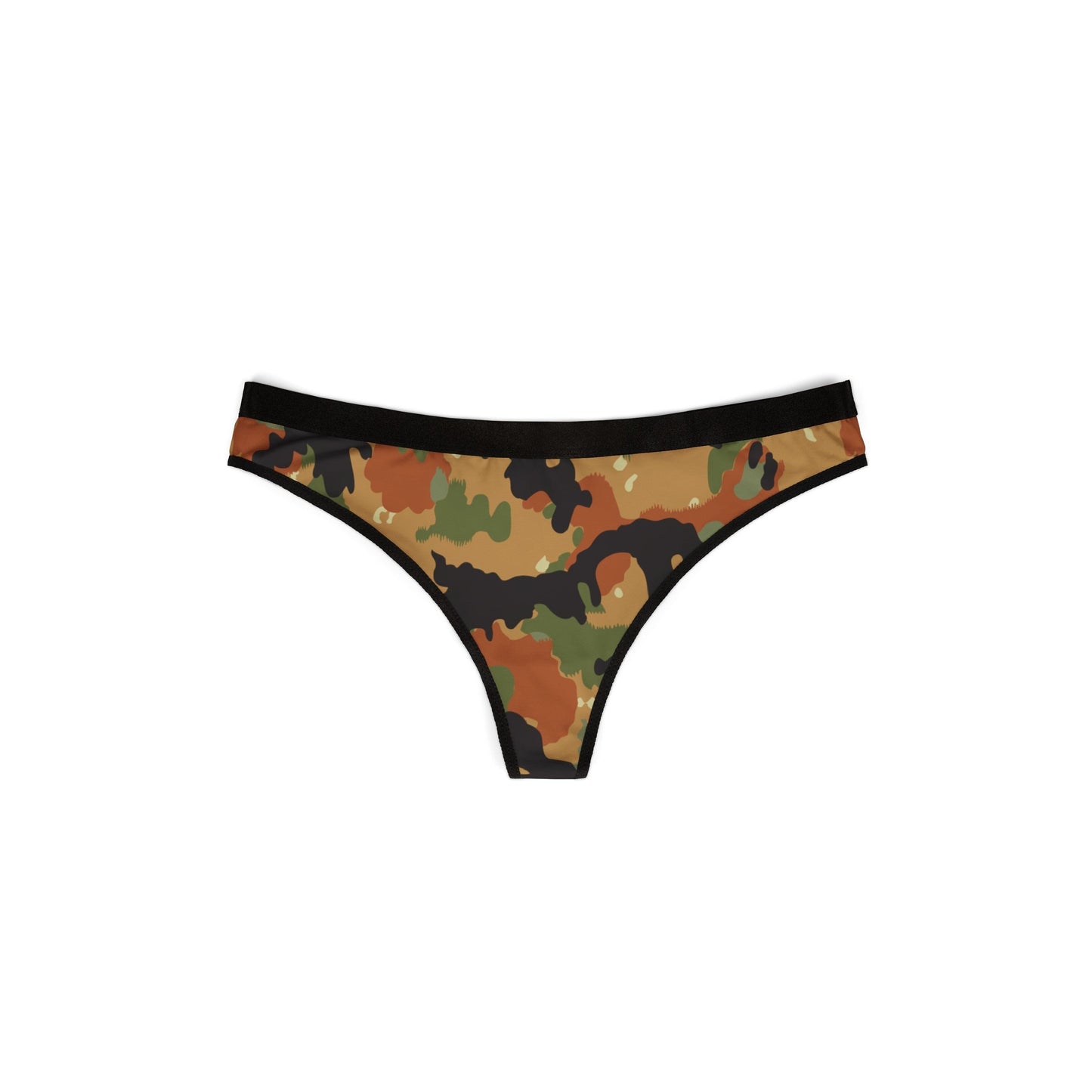
The Leibermuster Camo was developed by Germany in 1945 during the final stages of World War II. It features irregular shapes in dark green, brown, black, and pale green, designed to provide concealment in both woodland and urban environments. Notably, it was one of the first camouflage patterns to incorporate infrared reflectance, marking an early attempt at countering infrared detection technology. Although never widely fielded, its technical innovation influenced future developments in military camouflage.
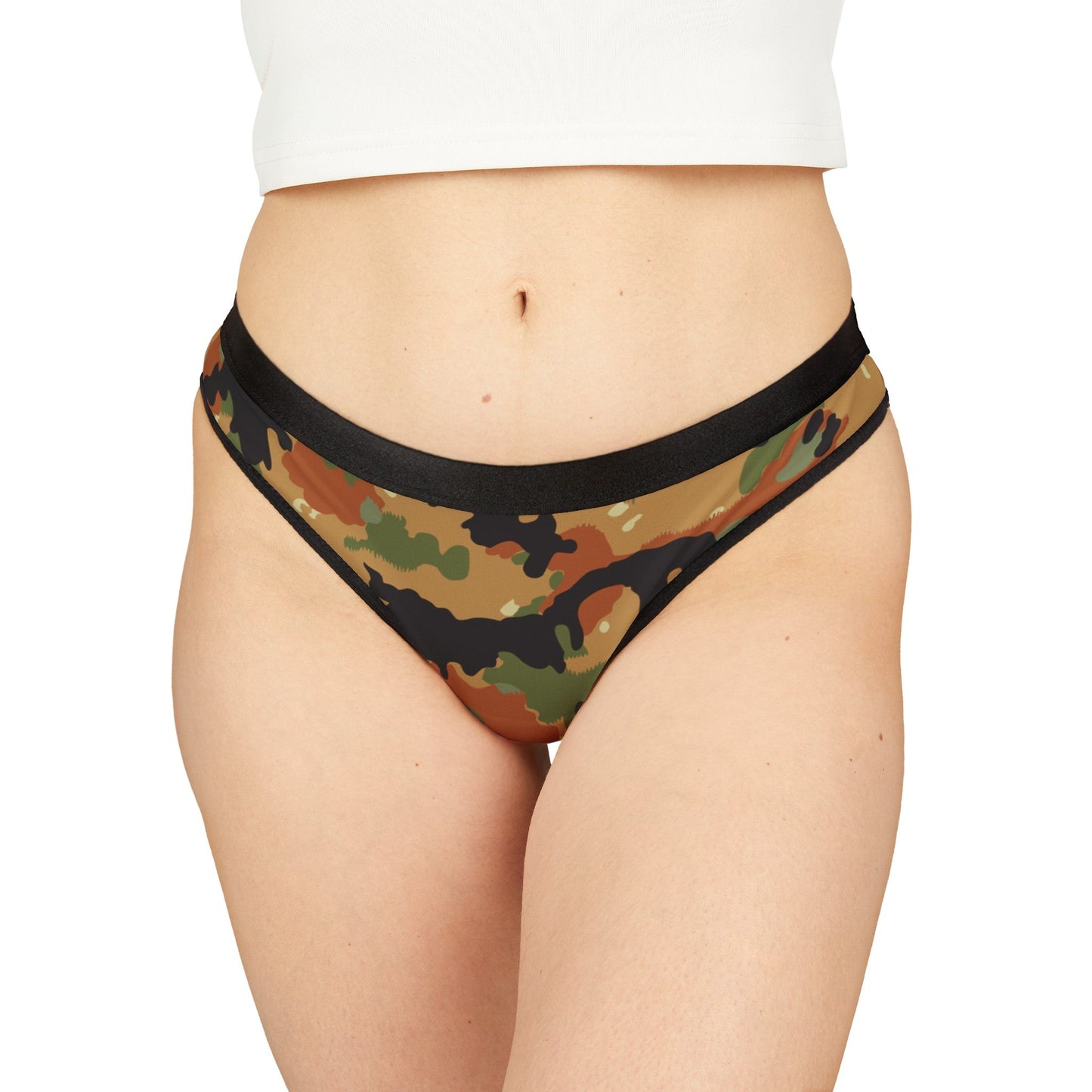
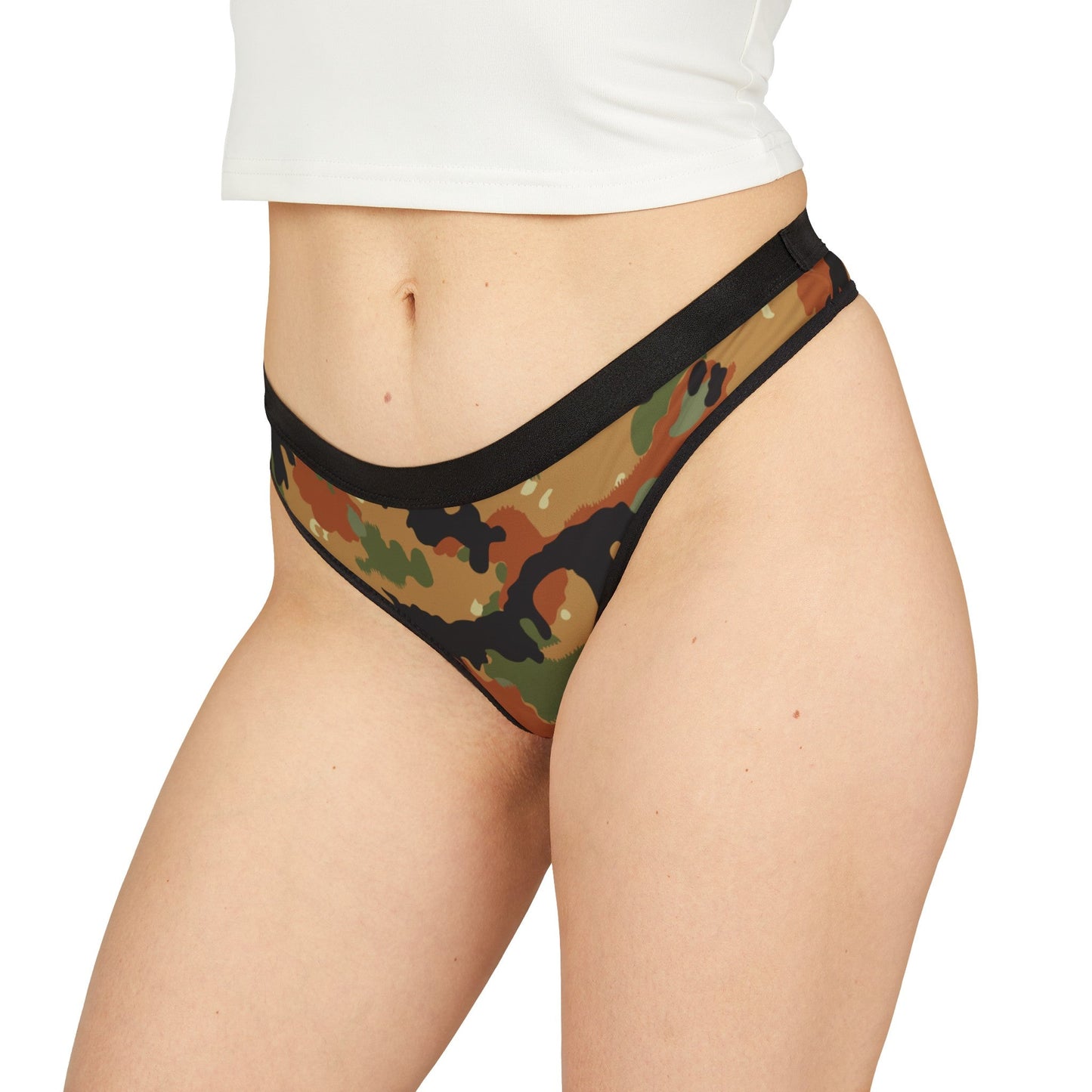
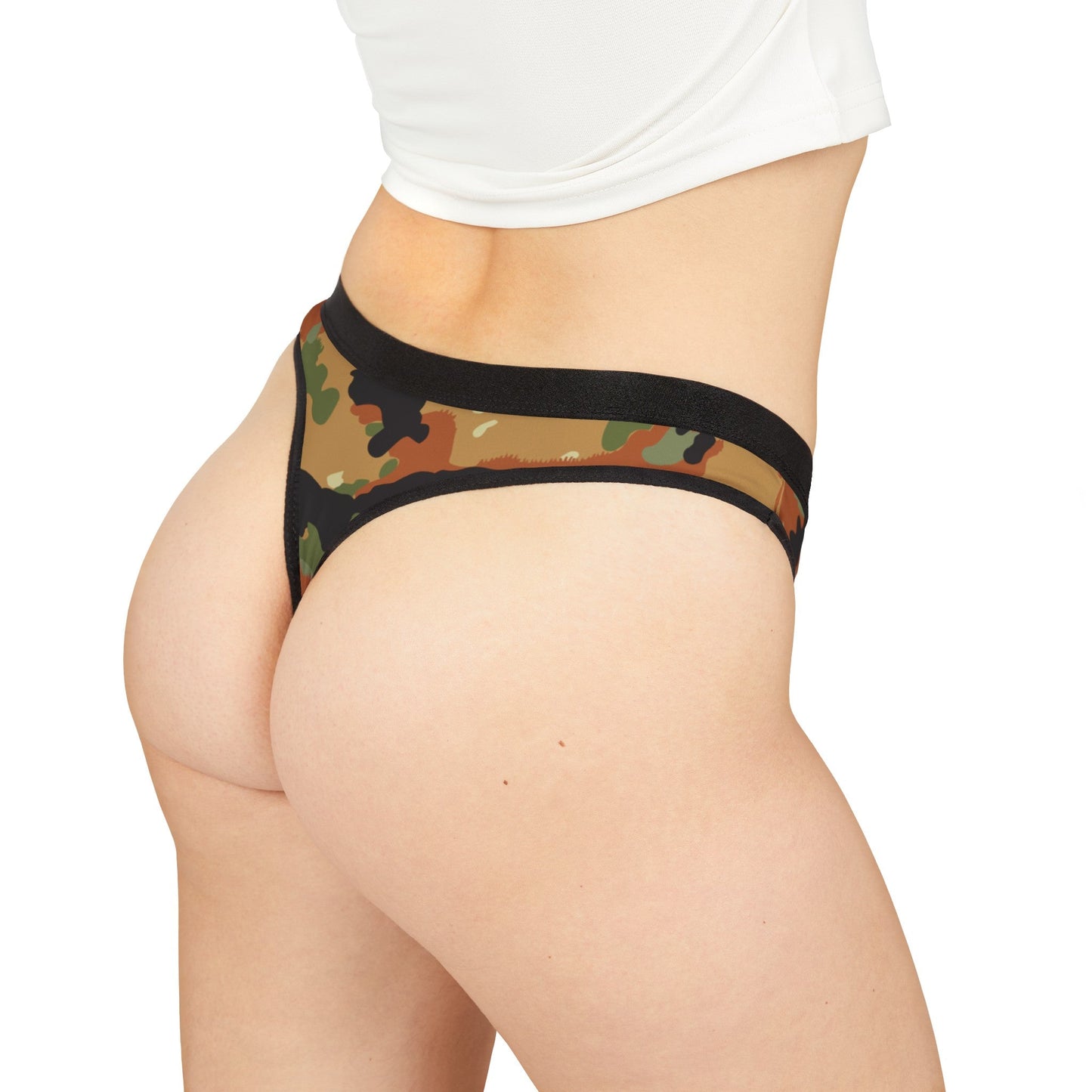
Leibermuster · Women's Camo Underwear
Leibermuster Camo Thong
Shipping calculated at checkout
Couldn't load pickup availability
Details
Description
The Leibermuster Camouflage Thong combines maximum comfort and durability, making them suitable for everyday wear and demanding environments. With a luxurious blend of 97% Polyester and 3% Spandex, this thong offer a comfortable fit with the perfect amount of stretch and softness.
Specs
• Camouflage: Leibermuster
• Material: 97% polyester, 3% spandex
• Breathable antimicrobial fabric
• Black elastic waistband and edges
• Regular fit
• Black outside seam thread
• White inner seam thread
• Assembled in the USA from globally sourced parts
Care instructions
- Machine washable
- Dryer safe
Shipping & returns
Free US shipping on orders over $95. Shipping calculated at checkout. 30-day returns.
Safety & compliance
In compliance with the General Product Safety Regulation (GPSR), Concealing Coloration and SINDEN VENTURES LIMITED ensure that all consumer products offered are safe and meet EU standards. For any product safety related inquiries or concerns, please contact our EU representative at gpsr@sindenventures.com.
You can also write to us at 2727 Steeles Ave West, Toronto, Canada, M3J 3G9 or Markou Evgenikou 11, Mesa Geitonia, 4002, Limassol, Cyprus.
Camouflage record
Leibermuster
The Leibermuster Camo was developed by Germany in 1945 during the final stages of World War II. It features irregular shapes in dark green, brown, black, and pale green, designed to provide concealment in both woodland and urban environments. Notably, it was one of the first camouflage patterns to incorporate infrared reflectance, marking an early attempt at countering infrared detection technology. Although never widely fielded, its technical innovation influenced future developments in military camouflage.