Camouflage record
Pietruszka
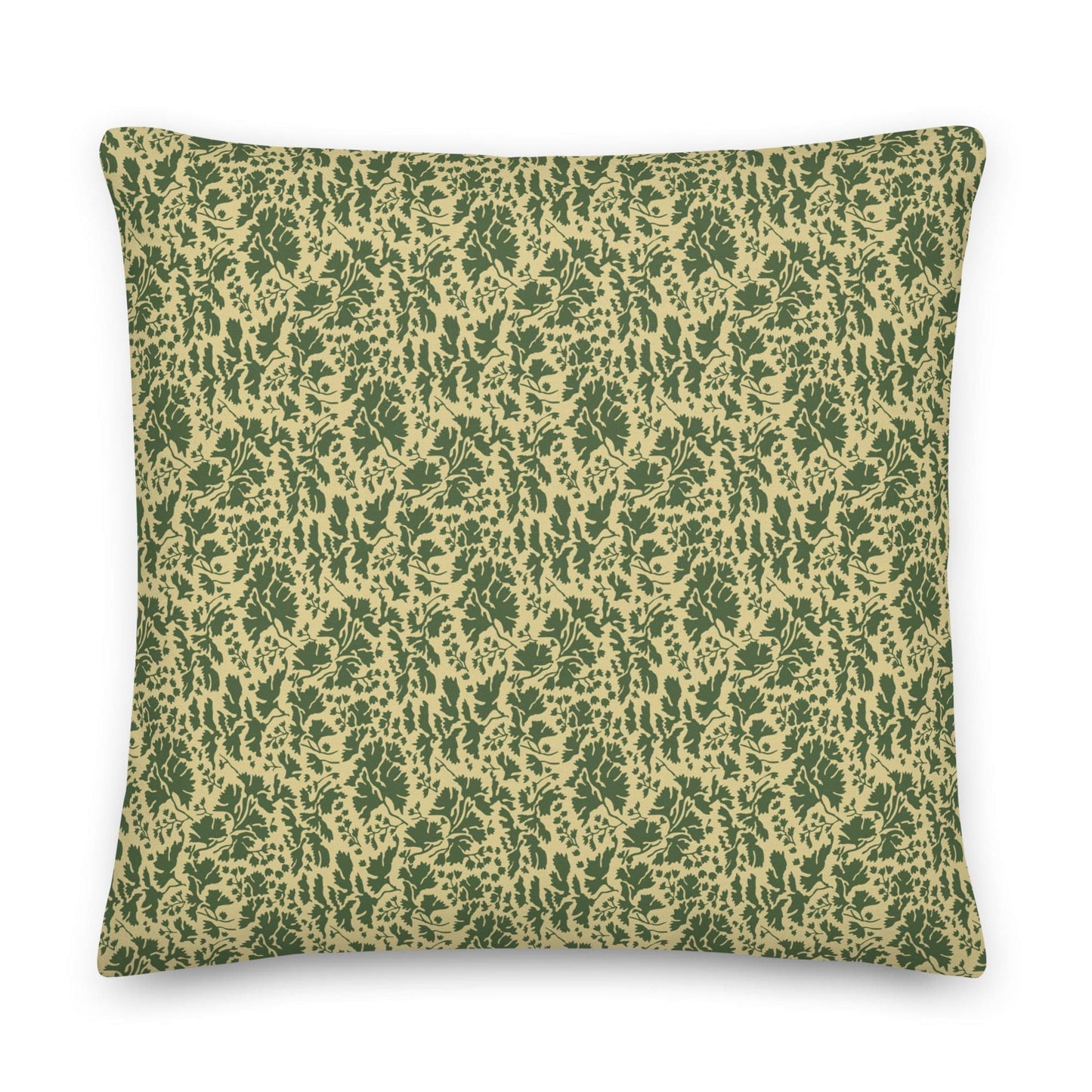
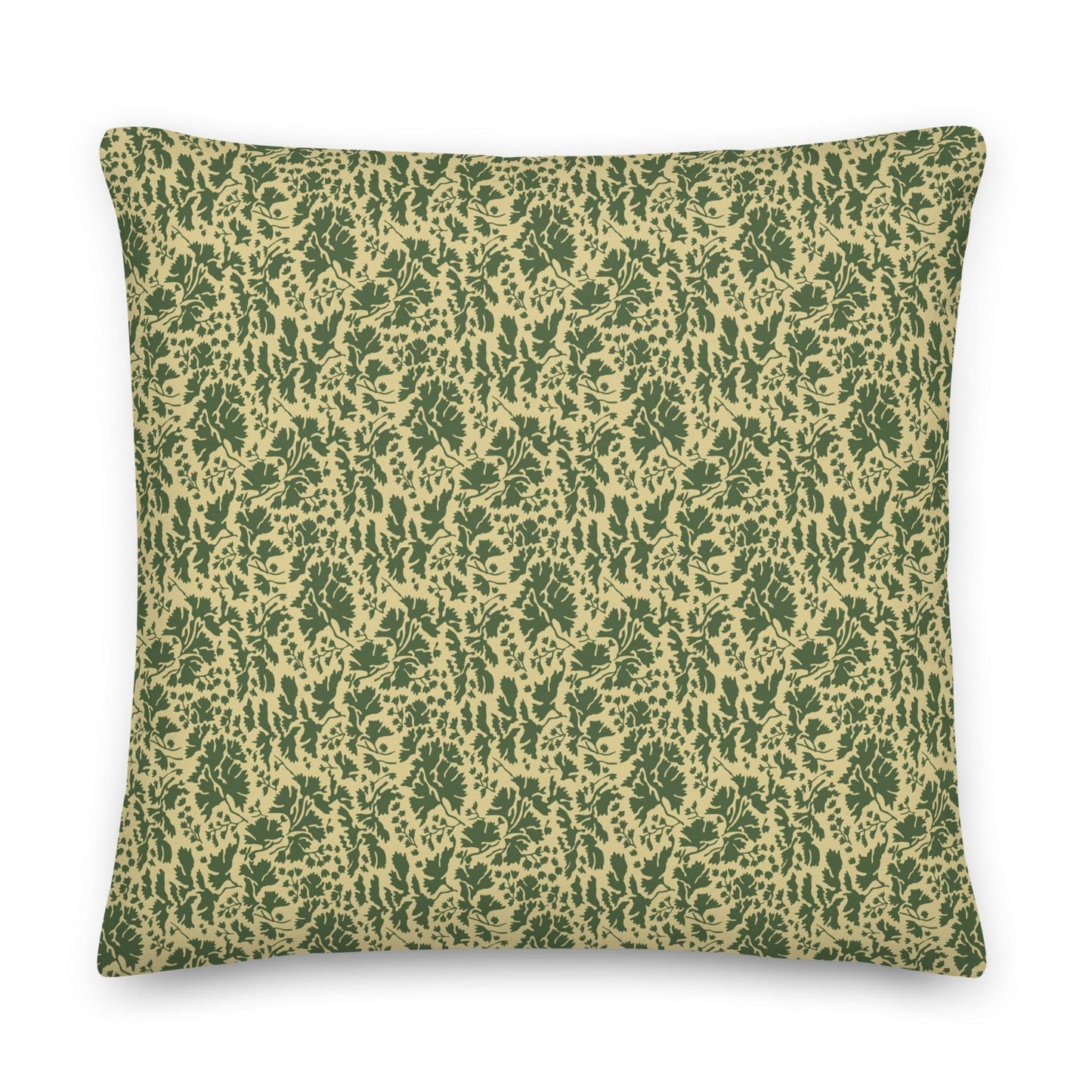
The Polish Cold War Era 1960s Pietruszka camouflage pattern, first issued to Polish troops around 1952, features finely-detailed leaf shapes in foliage green on a yellowish-tan or khaki background. Believed to be of Soviet origin, this pattern is nicknamed "Pietruszka" or "parsley" camouflage due to its intricate leaf design. After Poland discarded the pattern, it was adopted by Romania. The Pietruszka pattern remains a significant part of military camouflage history, and its rare surviving examples without Romanian markings are highly valued by collectors.
Pietruszka · Camouflage Pillows
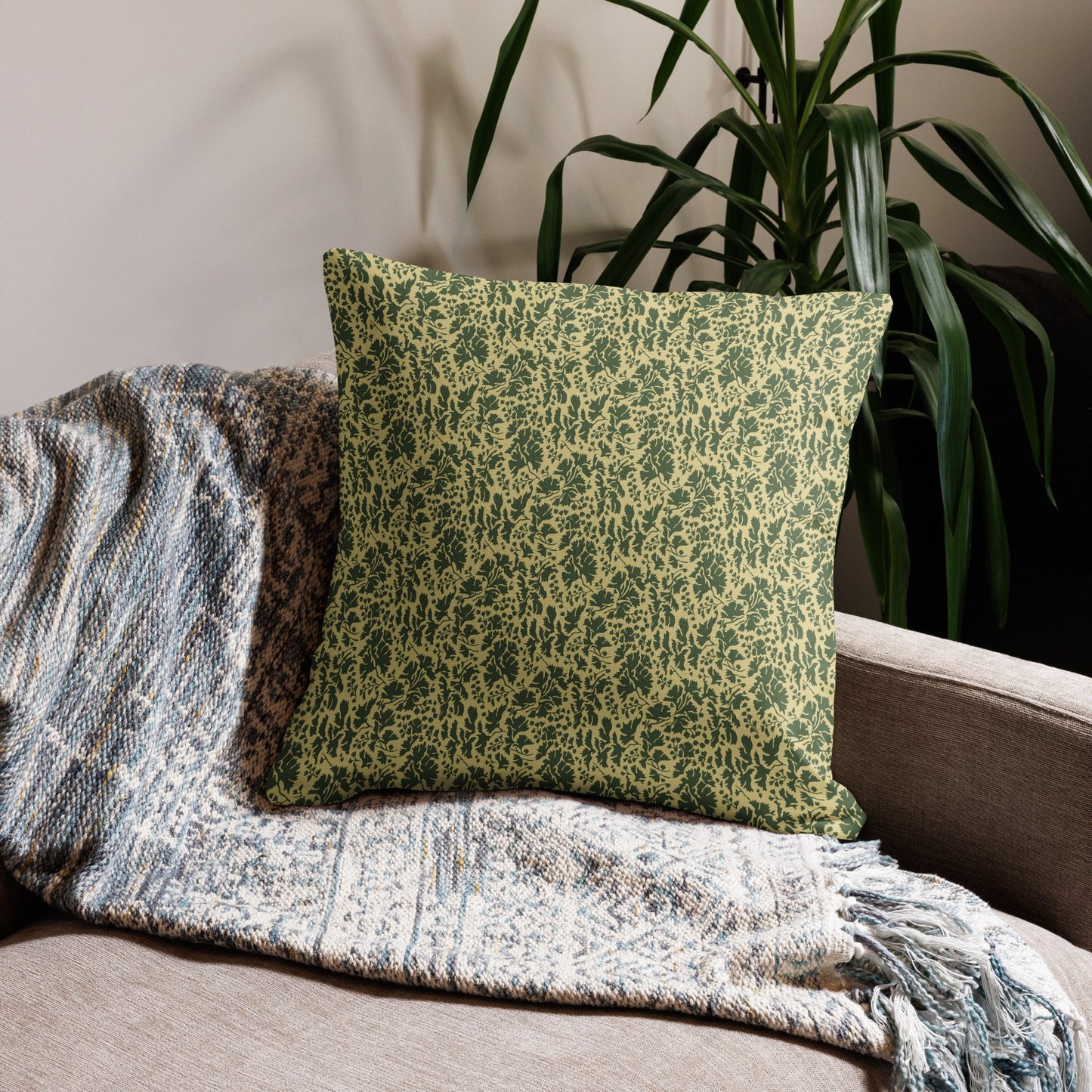
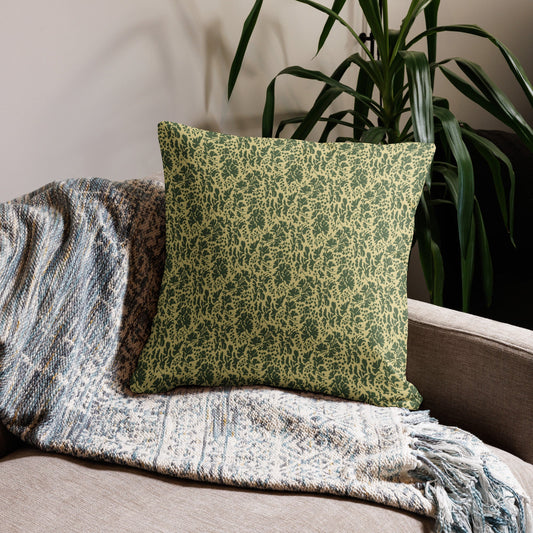
Pietruszka Camo 22" Square Throw Pillow
Shipping calculated at checkout
Couldn't load pickup availability
Pietruszka — Polish for parsley — is the foliage-scatter camouflage first adopted by the Polish Army in 1952. The olive, dark green, and tan irregular shapes are arranged in a loose vertical scatter referencing Central European understory vegetation. At 22×22 inches the pattern prints at a scale where the individual foliage elements read clearly rather than blurring into a flat tone.
Woven pillow case, zipper closure, polyester fill insert included. 22″ × 22″. Machine washable case. See also the 18″ Pietruszka throw pillow.
Specs
- Camouflage: Pietruszka “Parsley” — Polish Army 1952
- Woven case, zipper closure
- Polyester fill insert included
- 22″ × 22″
Shipping & returns
Free US shipping on orders over $95. Shipping calculated at checkout. 30-day returns, with free return shipping in the US and Canada.
Camouflage record
Pietruszka
The Polish Cold War Era 1960s Pietruszka camouflage pattern, first issued to Polish troops around 1952, features finely-detailed leaf shapes in foliage green on a yellowish-tan or khaki background. Believed to be of Soviet origin, this pattern is nicknamed "Pietruszka" or "parsley" camouflage due to its intricate leaf design. After Poland discarded the pattern, it was adopted by Romania. The Pietruszka pattern remains a significant part of military camouflage history, and its rare surviving examples without Romanian markings are highly valued by collectors.