Camouflage record
Pietruszka
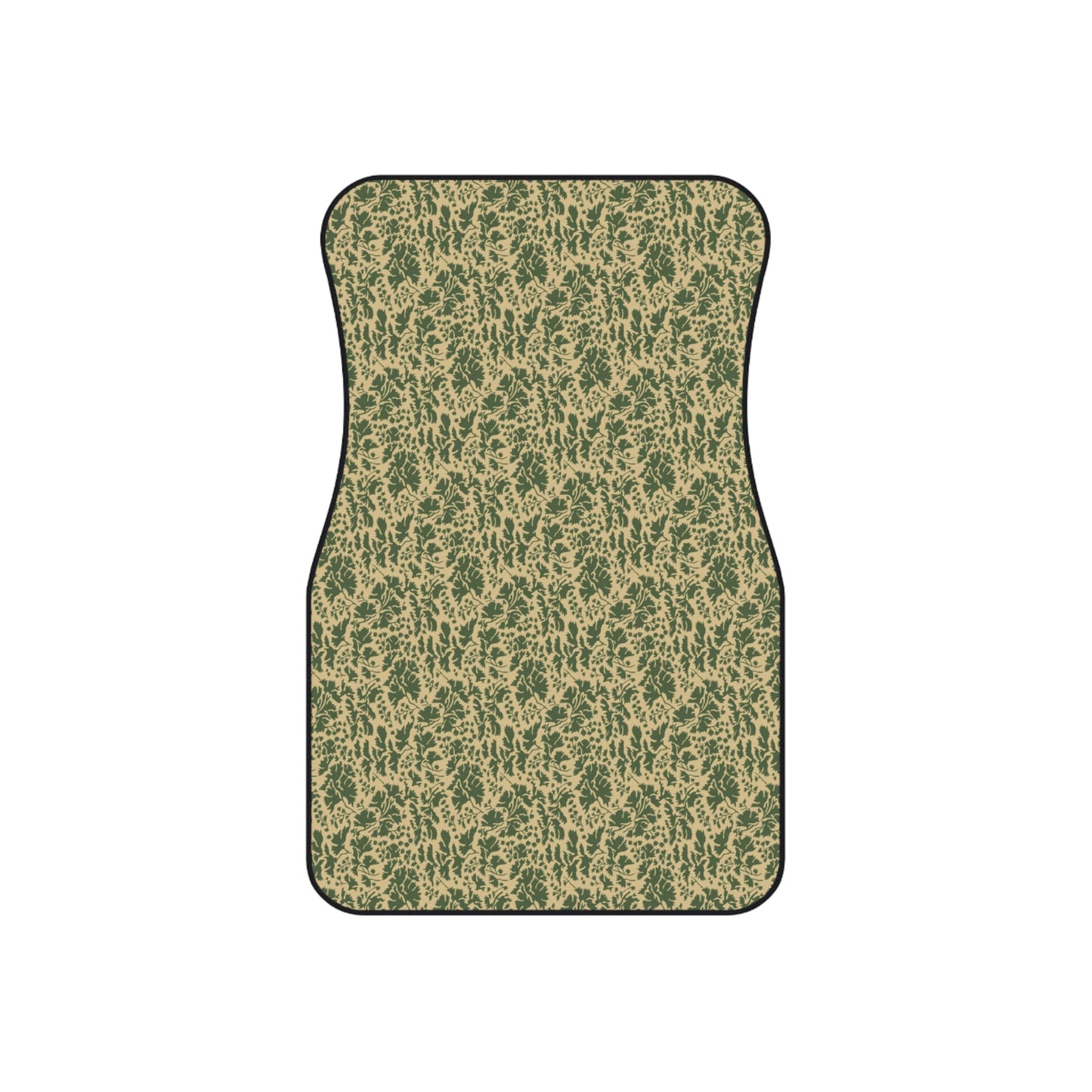
The Polish Cold War Era 1960s Pietruszka camouflage pattern, first issued to Polish troops around 1952, features finely-detailed leaf shapes in foliage green on a yellowish-tan or khaki background. Believed to be of Soviet origin, this pattern is nicknamed "Pietruszka" or "parsley" camouflage due to its intricate leaf design. After Poland discarded the pattern, it was adopted by Romania. The Pietruszka pattern remains a significant part of military camouflage history, and its rare surviving examples without Romanian markings are highly valued by collectors.
Pietruszka · Vehicle Accessories
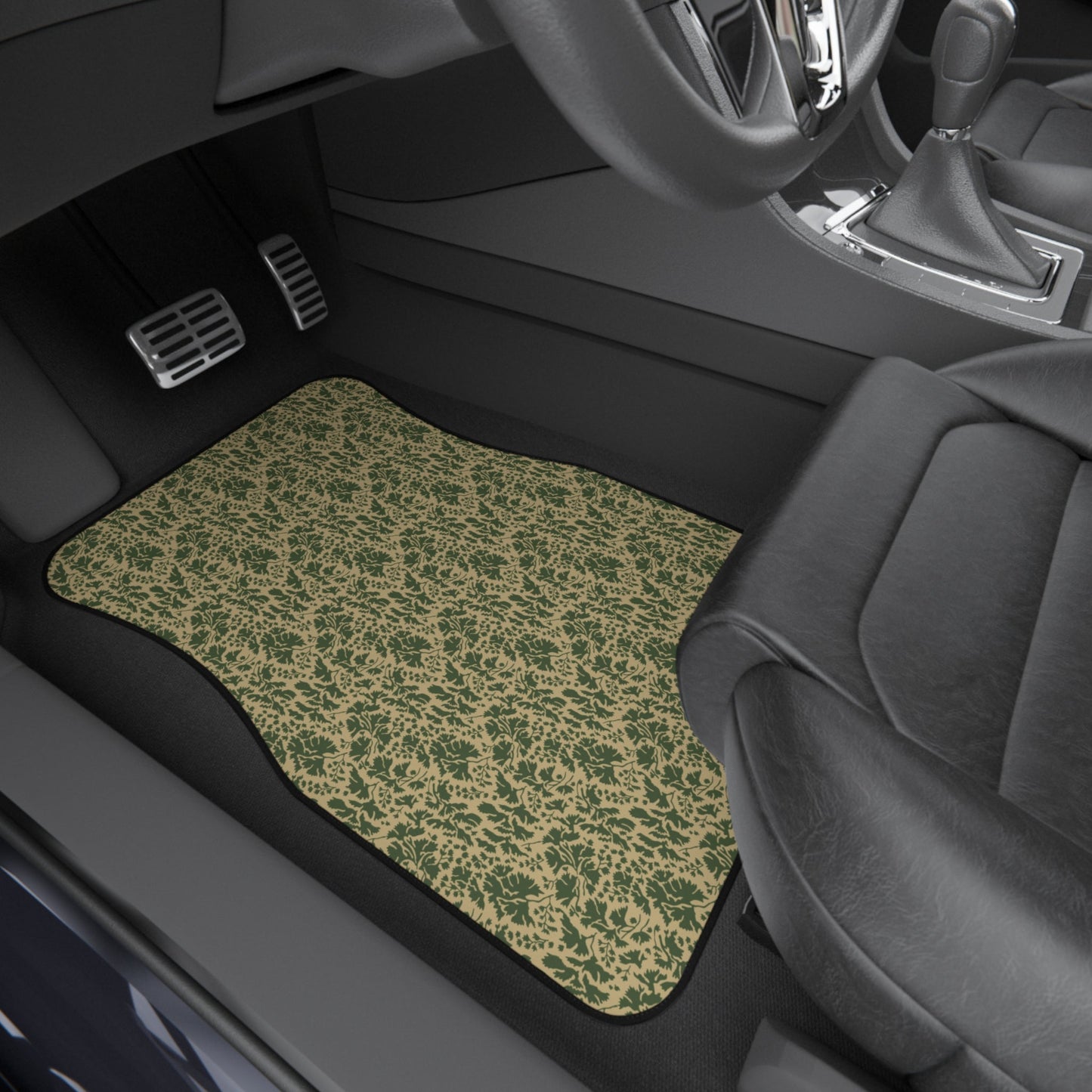
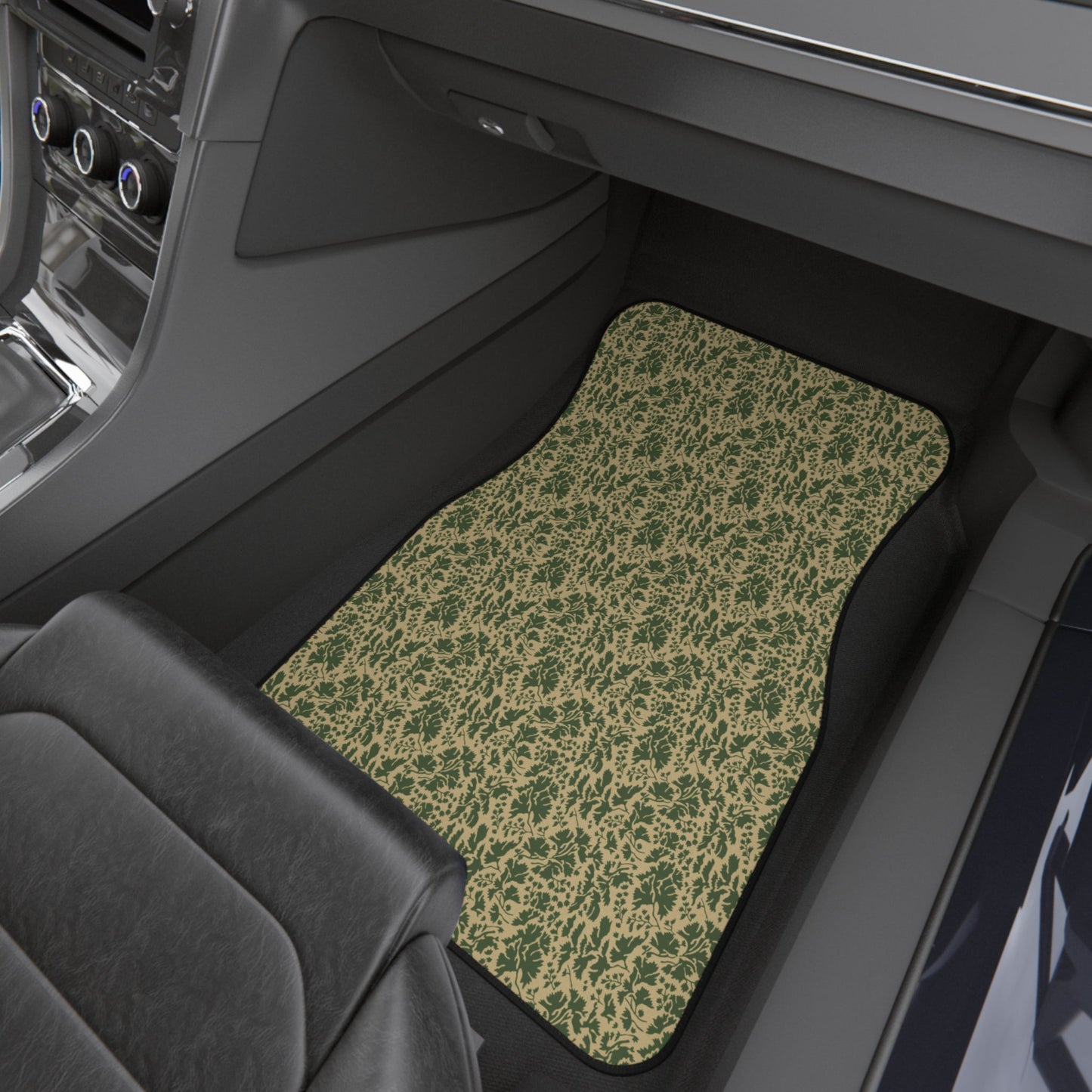
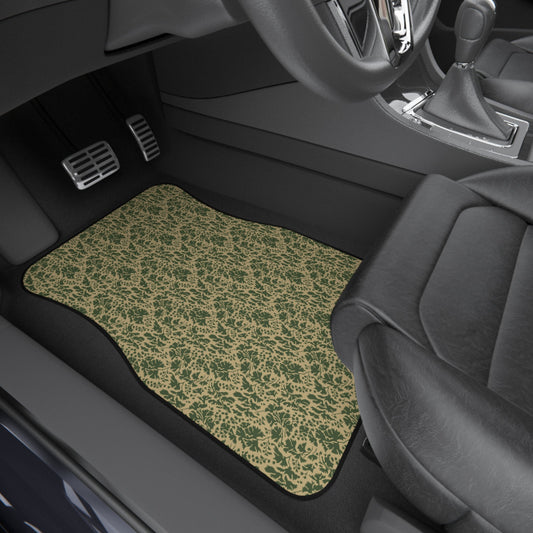
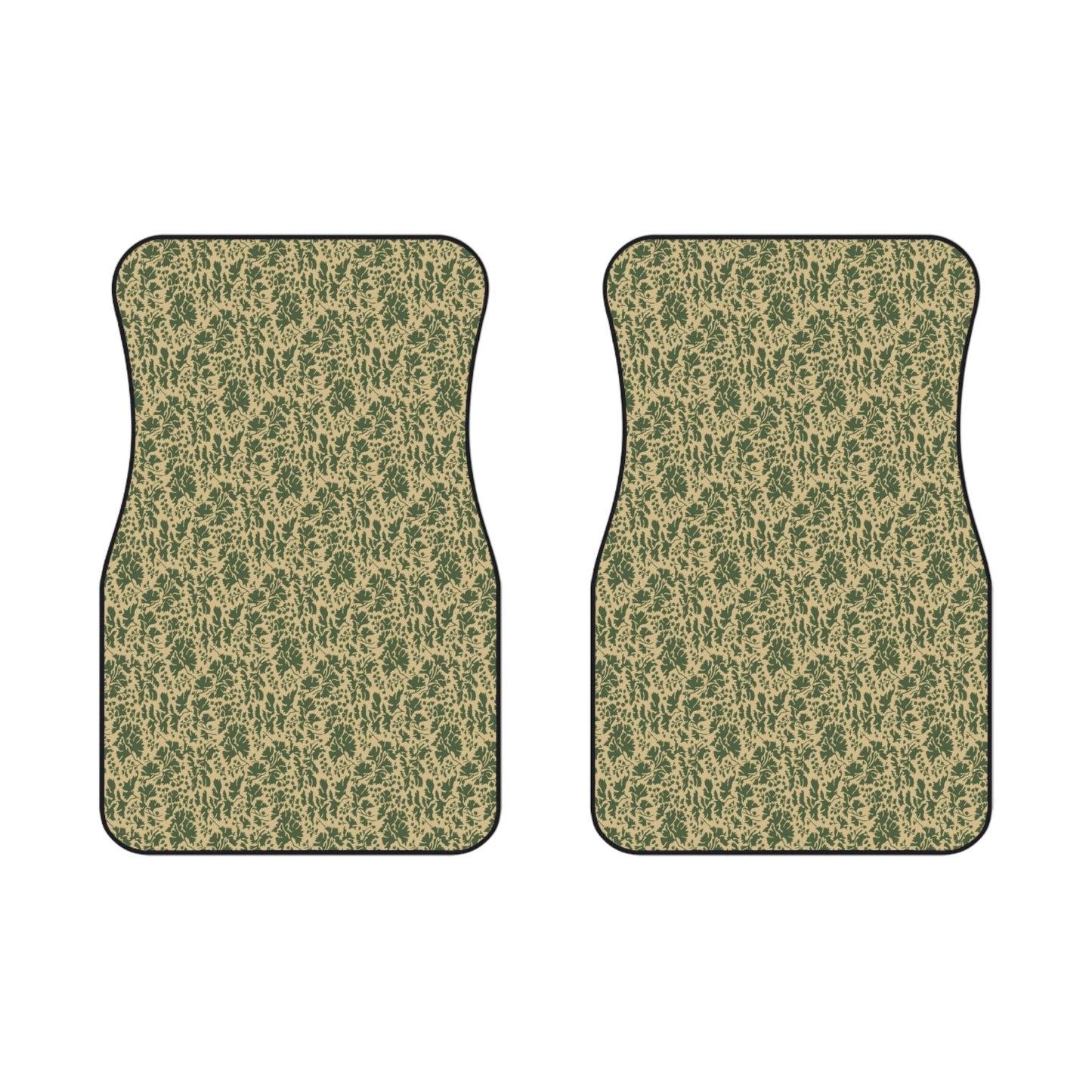
Pietruszka Camo Front Seat Car Mats (Set of 2)
Shipping calculated at checkout
Couldn't load pickup availability
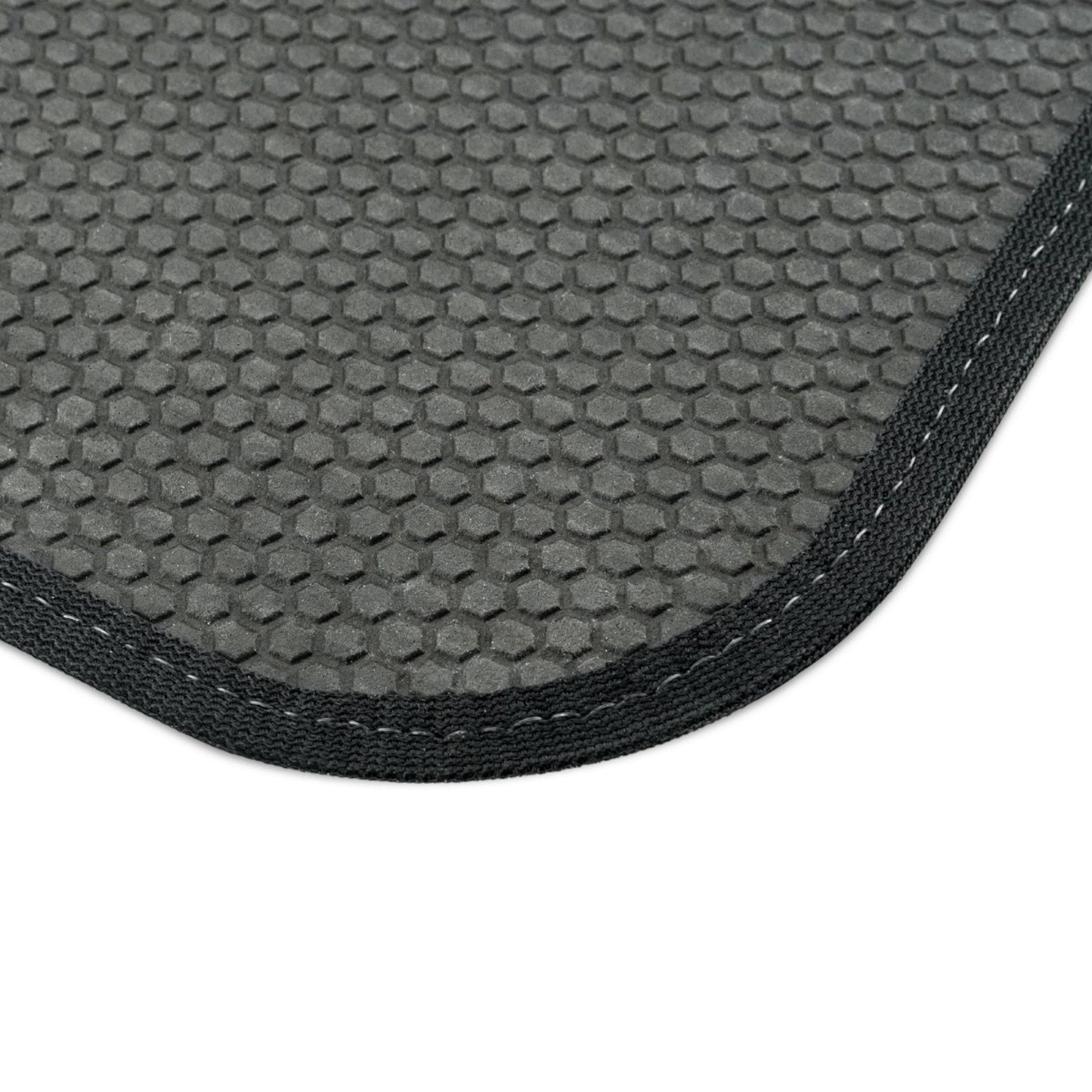
Assembled in the USA, the Pietruszka Camo Front Seat Car Mat set has a 20 oz loop polyester carpeting face and a non-skid rubber backing to endure both daily commutes and off-road sessions.
Specs
- Camouflage: Pietruszka
- Dimensions: 17 inches x 27 inches x 0.25 inches
- Position: Front Seat
- Heavy Duty 20oz polyester
- Non-slip rubber Durgan backing
- Easy to clean
- Assembled in the USA
Care instructions
Clean with vacuum and with cool water rinse. Allow to completely dry before use
Safety & compliance
Generic brand, 2 year warranty in EU and Northern Ireland as per Directive 1999/44/EC
Shipping & returns
Free US shipping on orders over $95. Shipping calculated at checkout. 30-day returns, with free return shipping in the US and Canada.
Camouflage record
Pietruszka
The Polish Cold War Era 1960s Pietruszka camouflage pattern, first issued to Polish troops around 1952, features finely-detailed leaf shapes in foliage green on a yellowish-tan or khaki background. Believed to be of Soviet origin, this pattern is nicknamed "Pietruszka" or "parsley" camouflage due to its intricate leaf design. After Poland discarded the pattern, it was adopted by Romania. The Pietruszka pattern remains a significant part of military camouflage history, and its rare surviving examples without Romanian markings are highly valued by collectors.