Camouflage record
Pietruszka
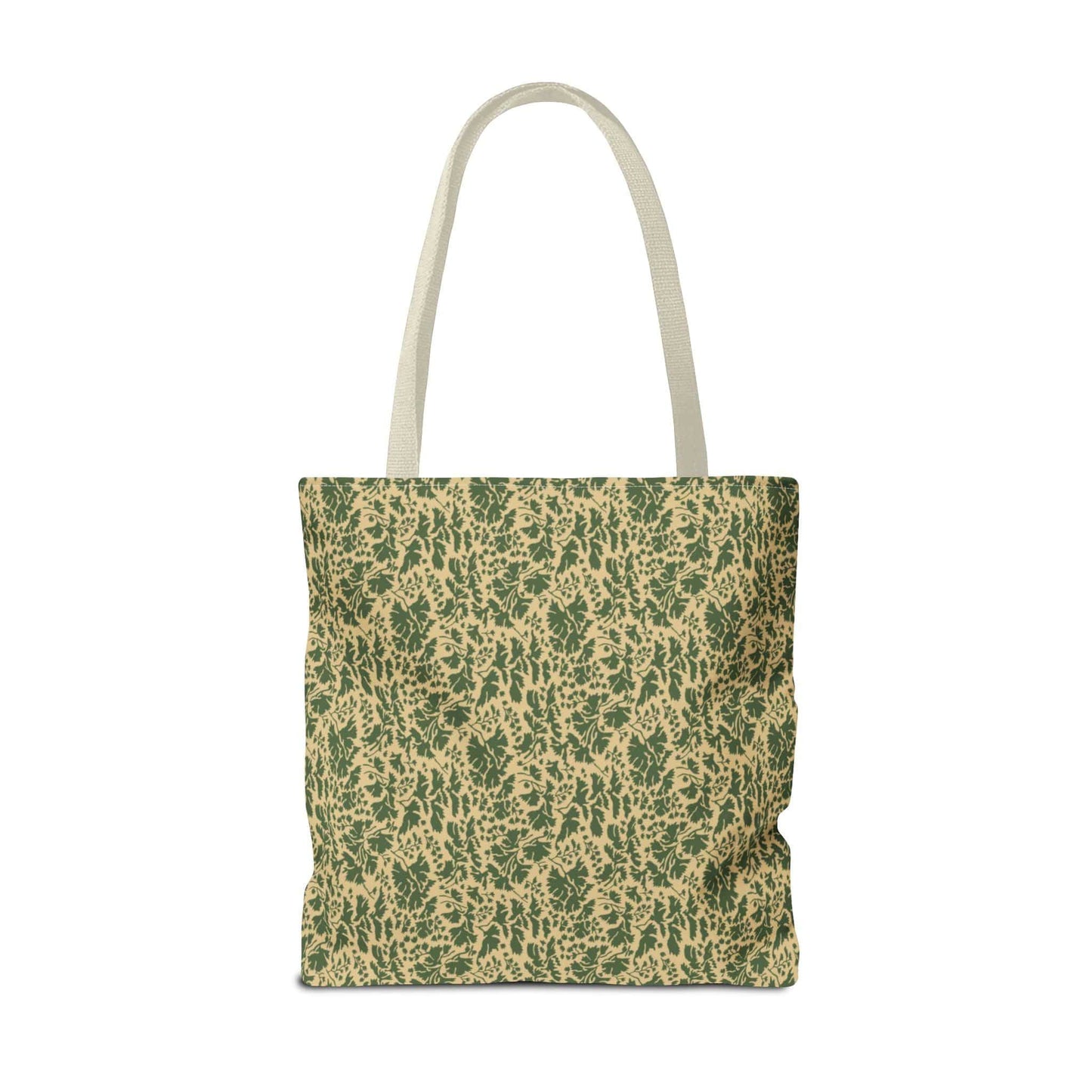
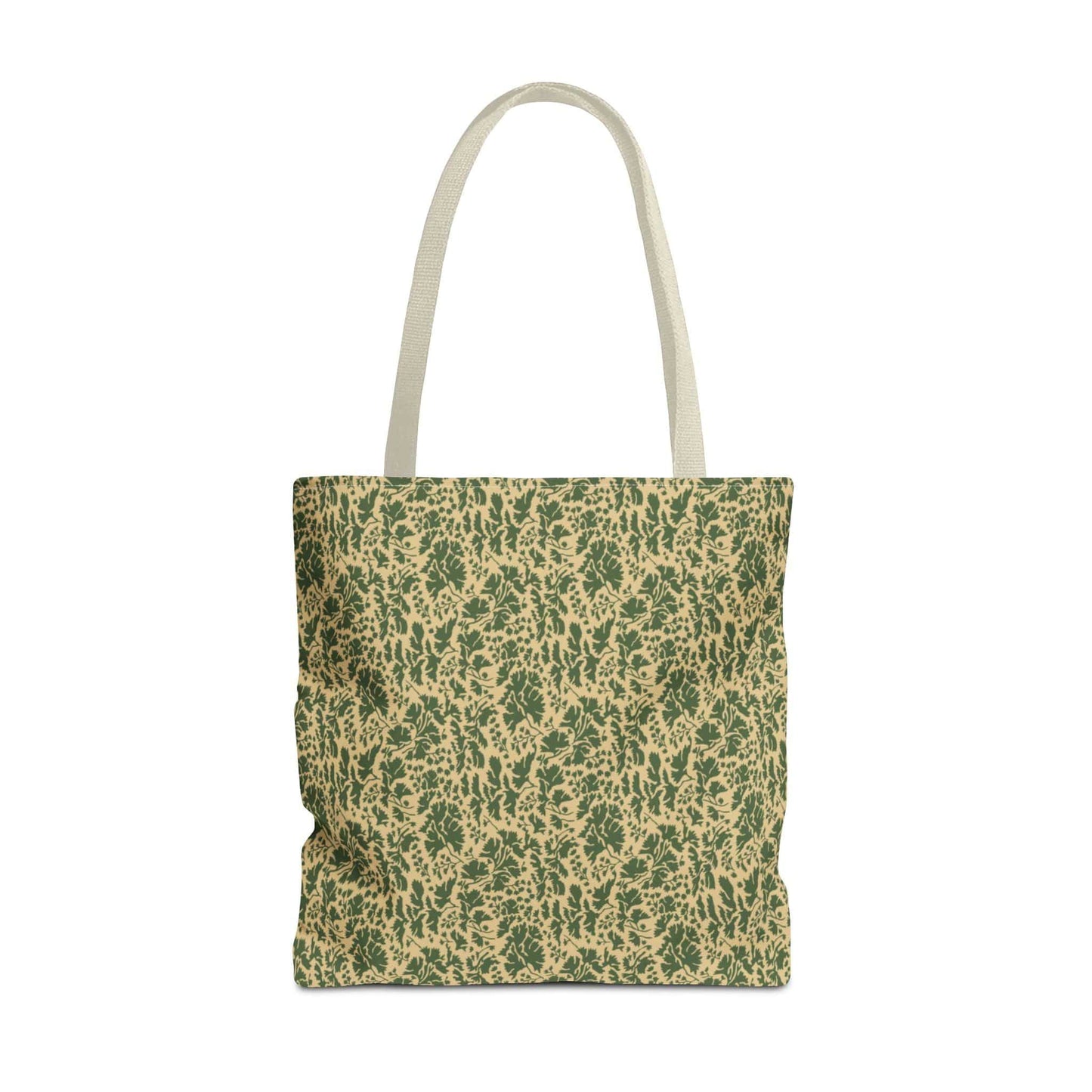
The Polish Cold War Era 1960s Pietruszka camouflage pattern, first issued to Polish troops around 1952, features finely-detailed leaf shapes in foliage green on a yellowish-tan or khaki background. Believed to be of Soviet origin, this pattern is nicknamed "Pietruszka" or "parsley" camouflage due to its intricate leaf design. After Poland discarded the pattern, it was adopted by Romania. The Pietruszka pattern remains a significant part of military camouflage history, and its rare surviving examples without Romanian markings are highly valued by collectors.
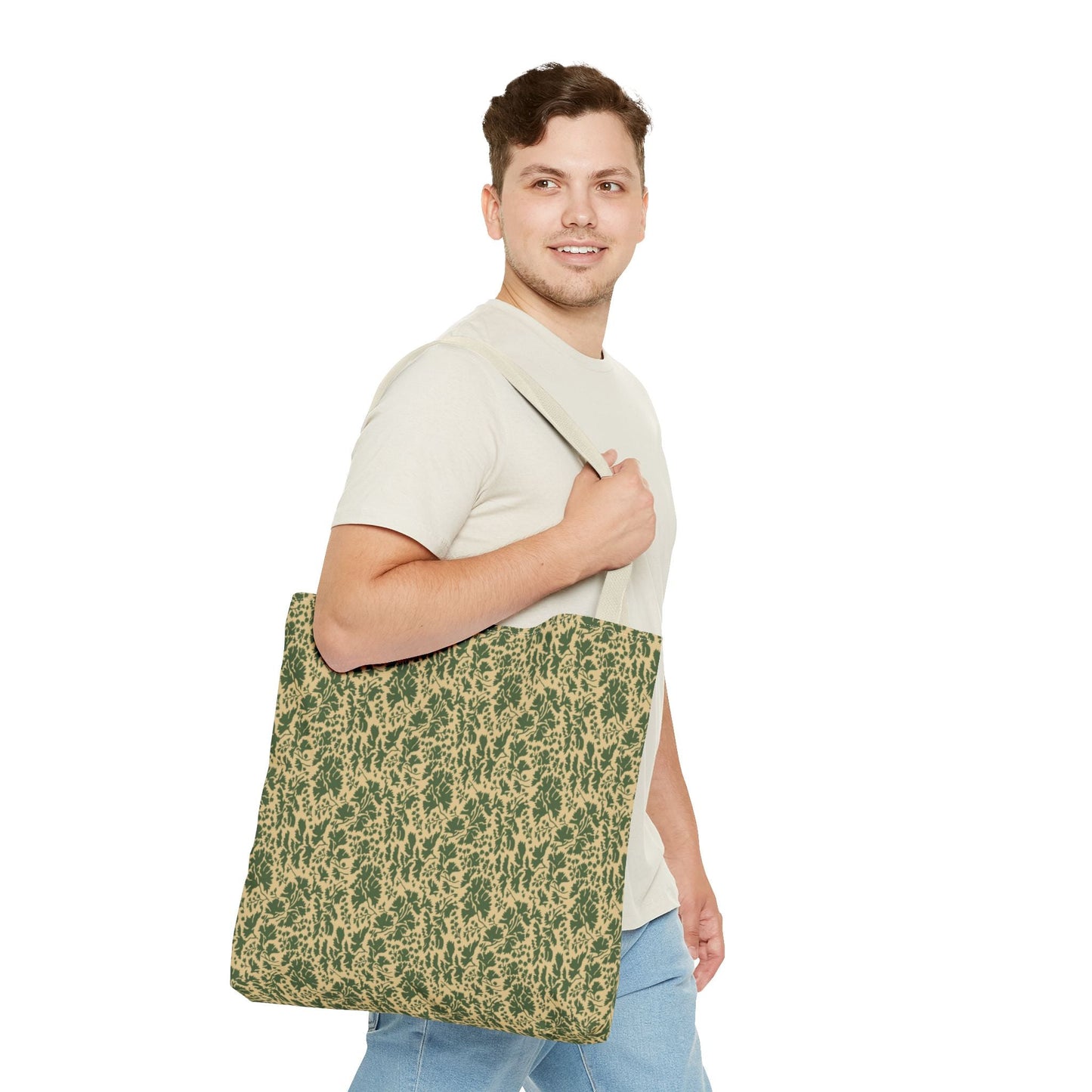
Pietruszka Camo Vertical Tote Bag
Shipping calculated at checkout
Couldn't load pickup availability
The Pietruszka "Parsley" Camouflage Vertical Tote Bag is made with a heavyweight (6.49 oz/yd²) nylon body with double-stitched seams and reinforced cotton webbing straps. The camo tote also features a non woven laminate lining for durability and water resistance.
Specs
- Camouflage: Pietruszka "Parsley"
- Materials: 100% heavyweight spun polyester (6.49 oz/yd²)
- Dimensions: 18" x 18"
- Boxed Stitched Corners
- Reinforced zig zag stitch on handles
- Made in USA
Care instructions
- Remove all items from the bag before cleaning. Suggested to pretreat visible stains with stain remover. Mix warm water with laundry detergent and clean the bag with terry washcloth or a soft bristle brush. Let the bag air dry.
Shipping & returns
Free US shipping on orders over $95. Shipping calculated at checkout. 30-day returns, with free return shipping in the US and Canada.
Camouflage record
Pietruszka
The Polish Cold War Era 1960s Pietruszka camouflage pattern, first issued to Polish troops around 1952, features finely-detailed leaf shapes in foliage green on a yellowish-tan or khaki background. Believed to be of Soviet origin, this pattern is nicknamed "Pietruszka" or "parsley" camouflage due to its intricate leaf design. After Poland discarded the pattern, it was adopted by Romania. The Pietruszka pattern remains a significant part of military camouflage history, and its rare surviving examples without Romanian markings are highly valued by collectors.