


01 / 12

Reversible Desert Night Camo Bucket Hat
Reversible Desert Night Camo Bucket Hat
Regular price
$42.59 USD
Regular price
Sale price
$42.59 USD
Unit price
per
Shipping calculated at checkout.
Shipping calculated at checkout
Couldn't load pickup availability
Free 30-day returns · US & Canada
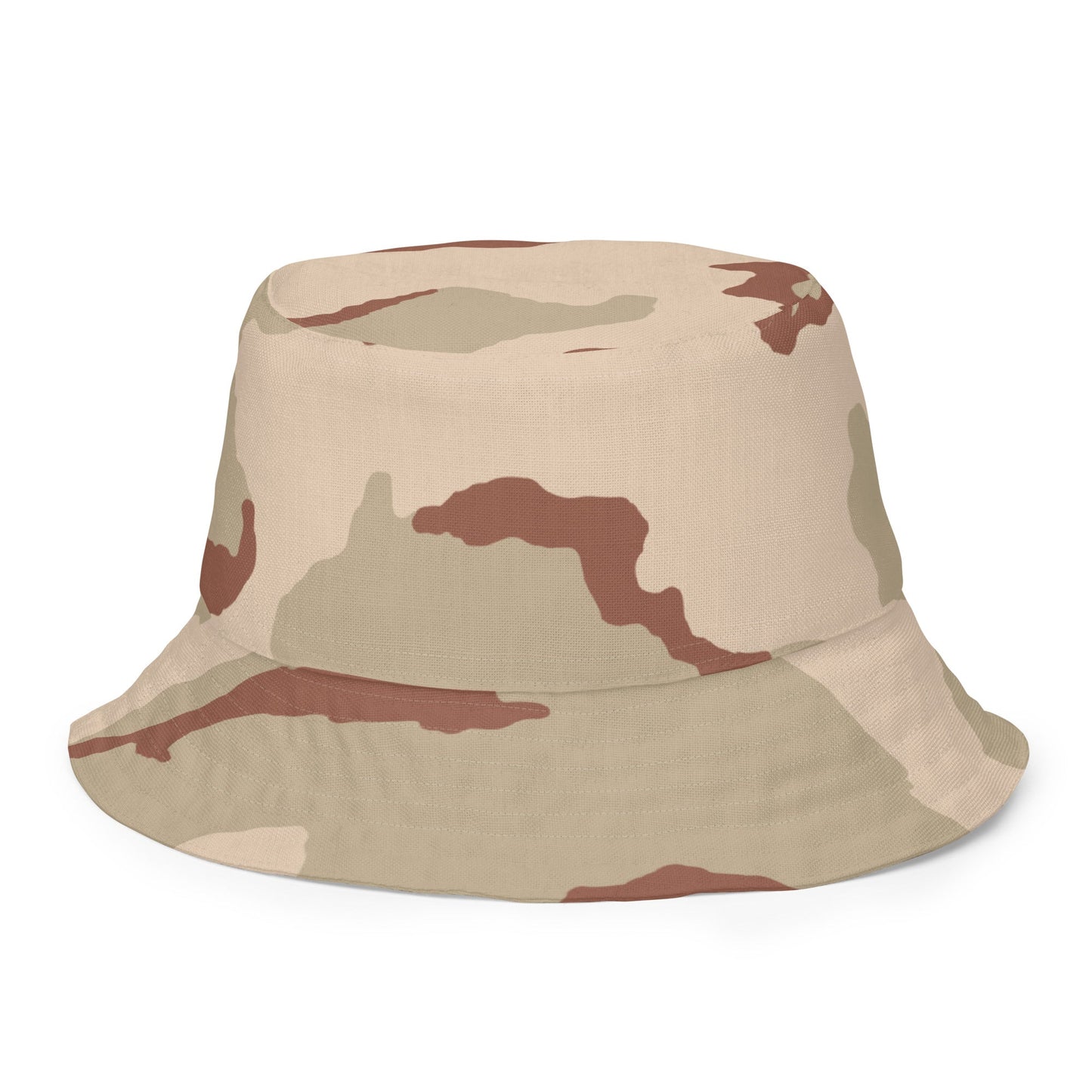
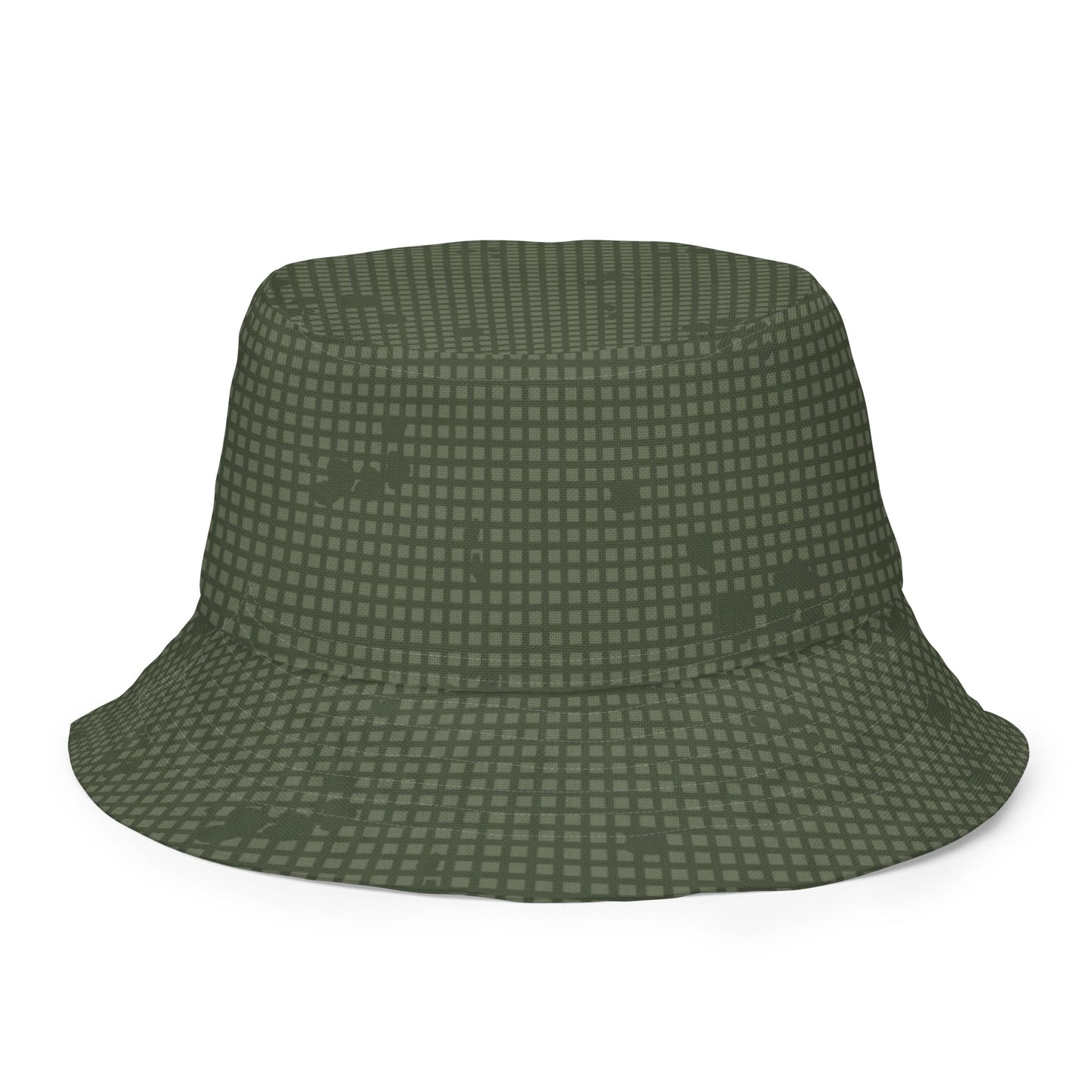
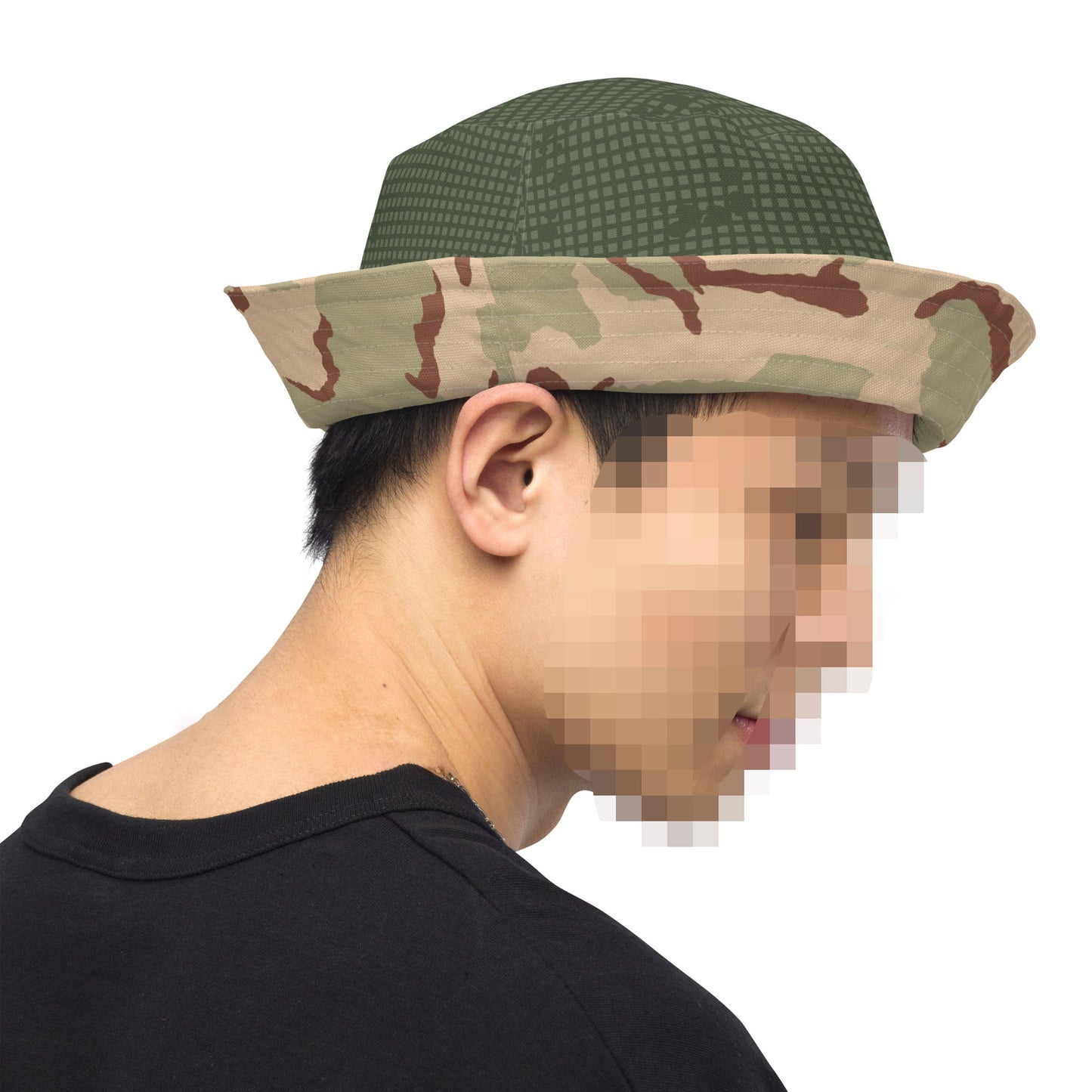
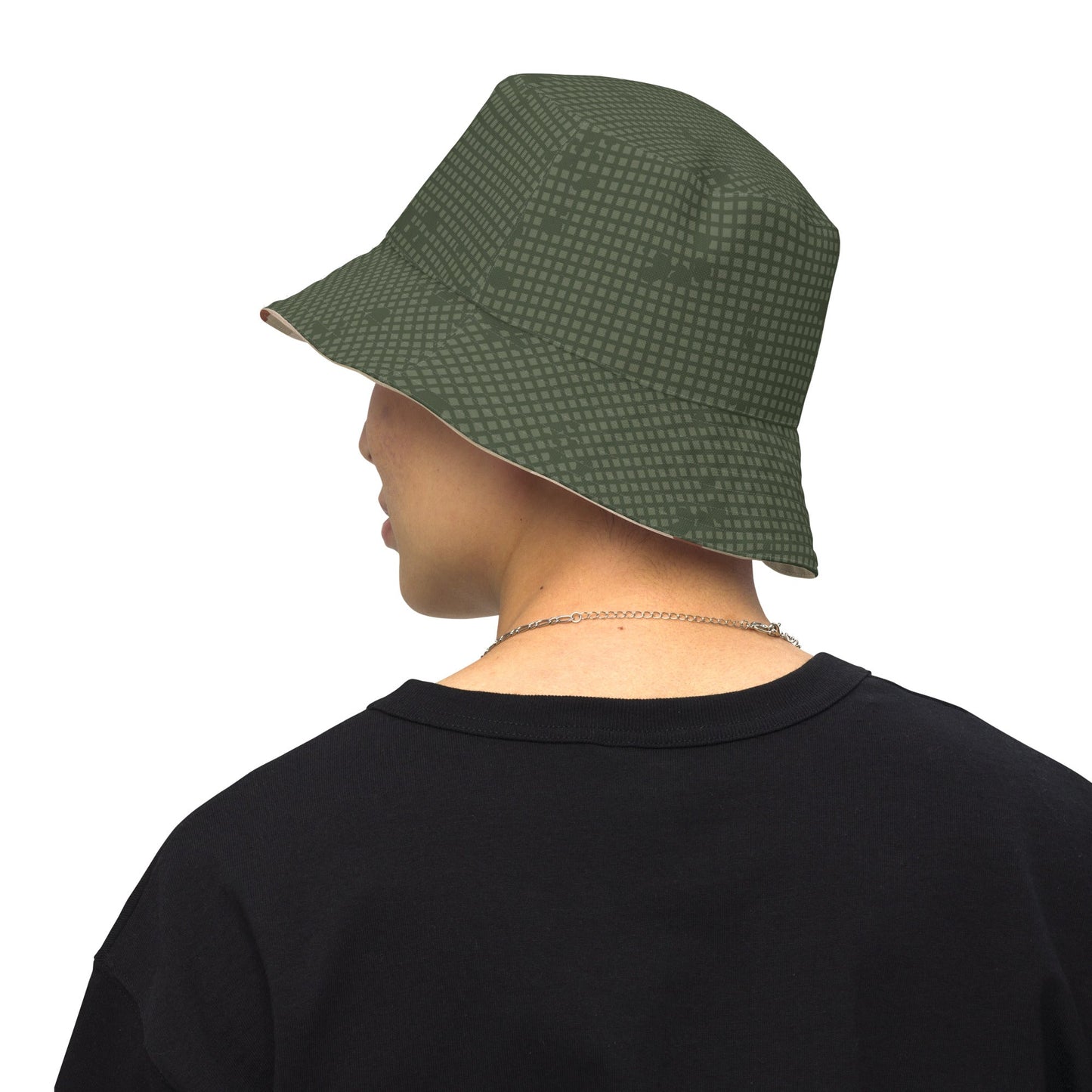
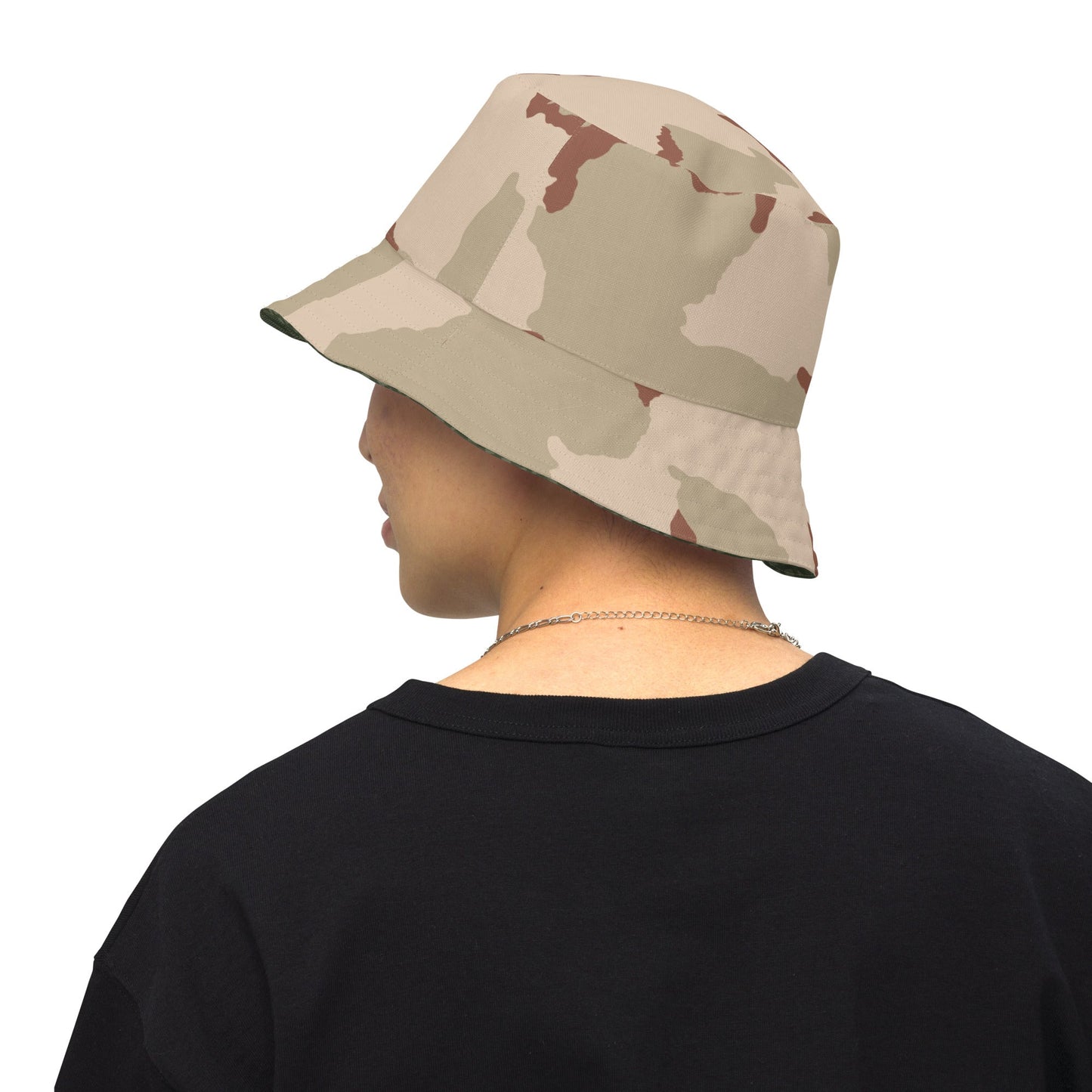
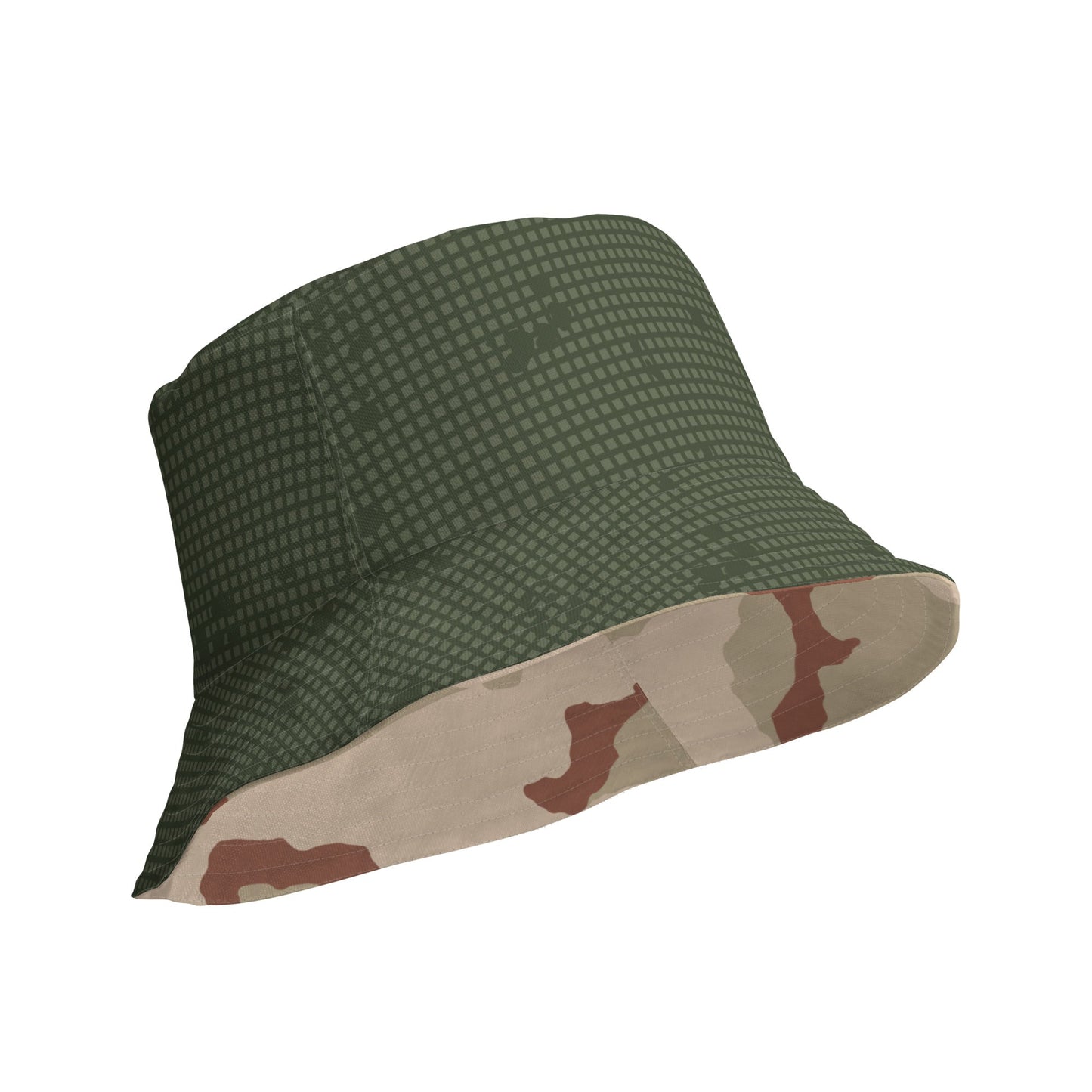
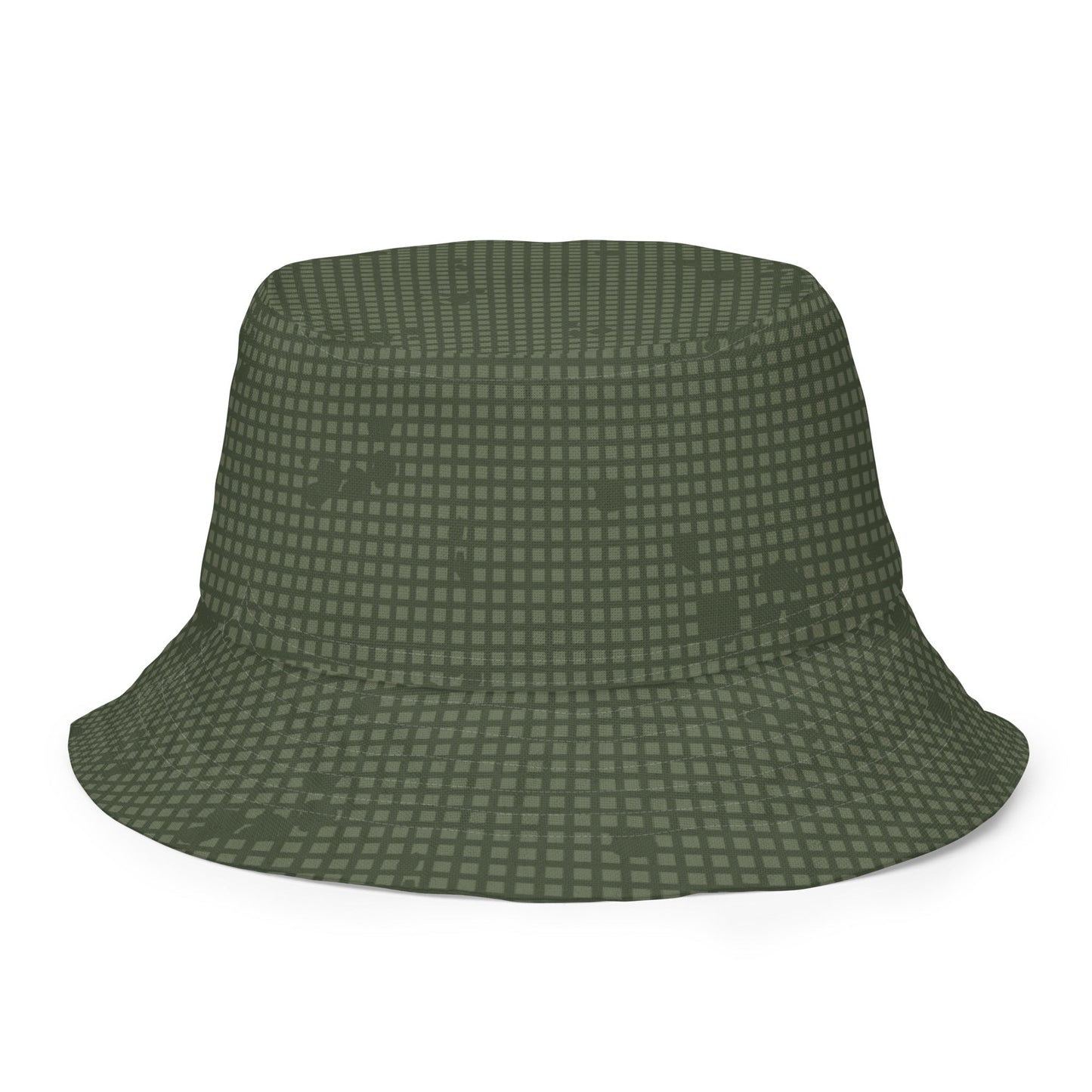
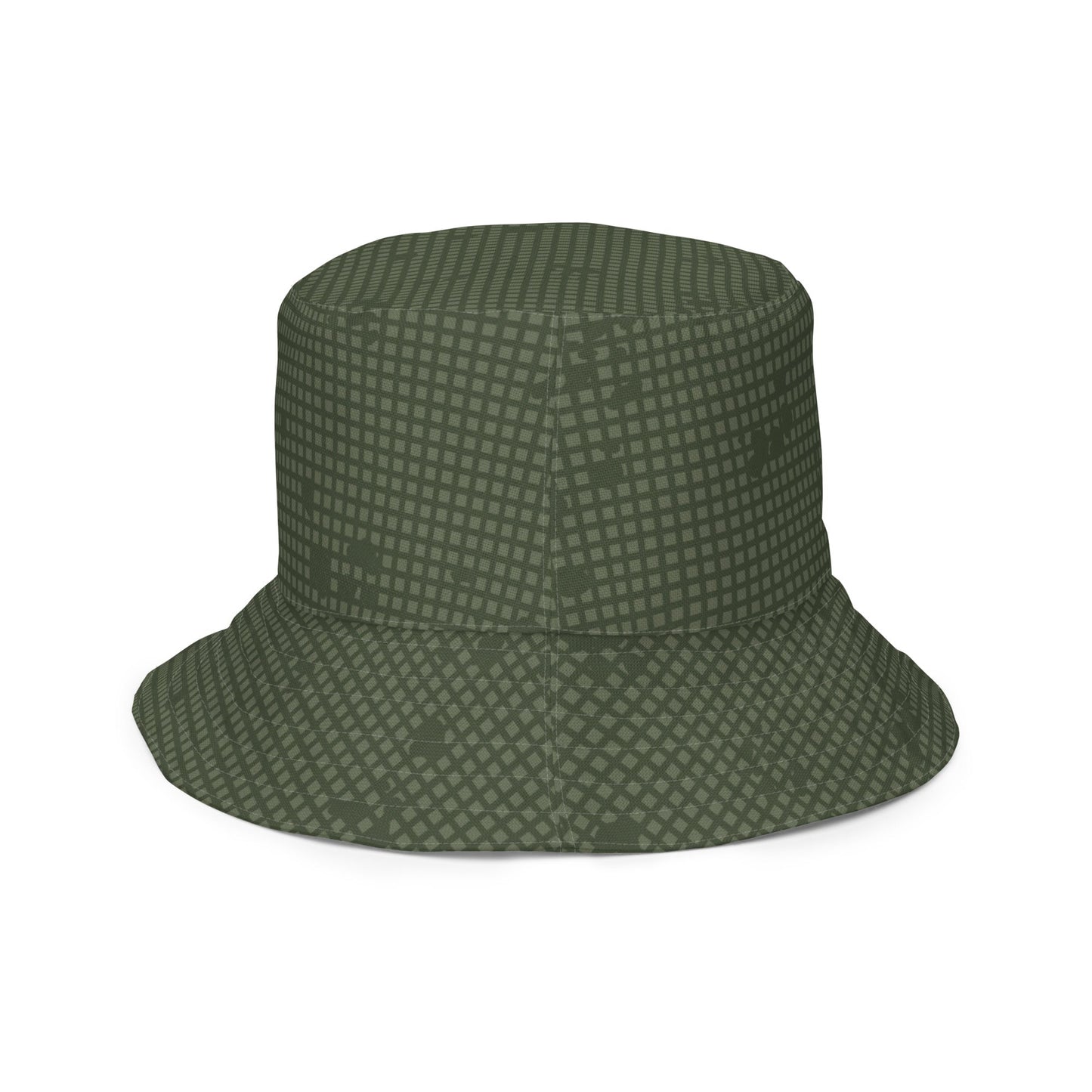
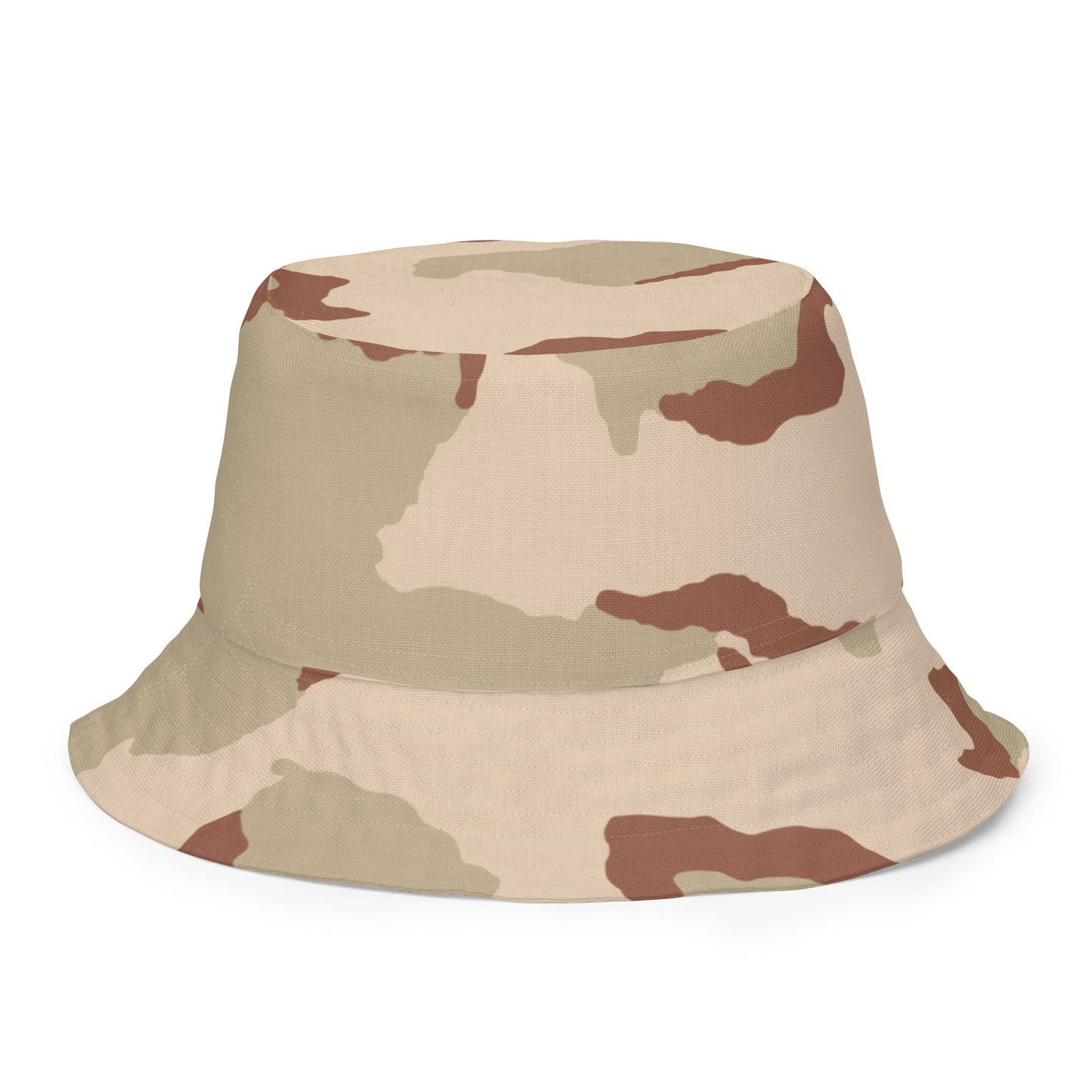
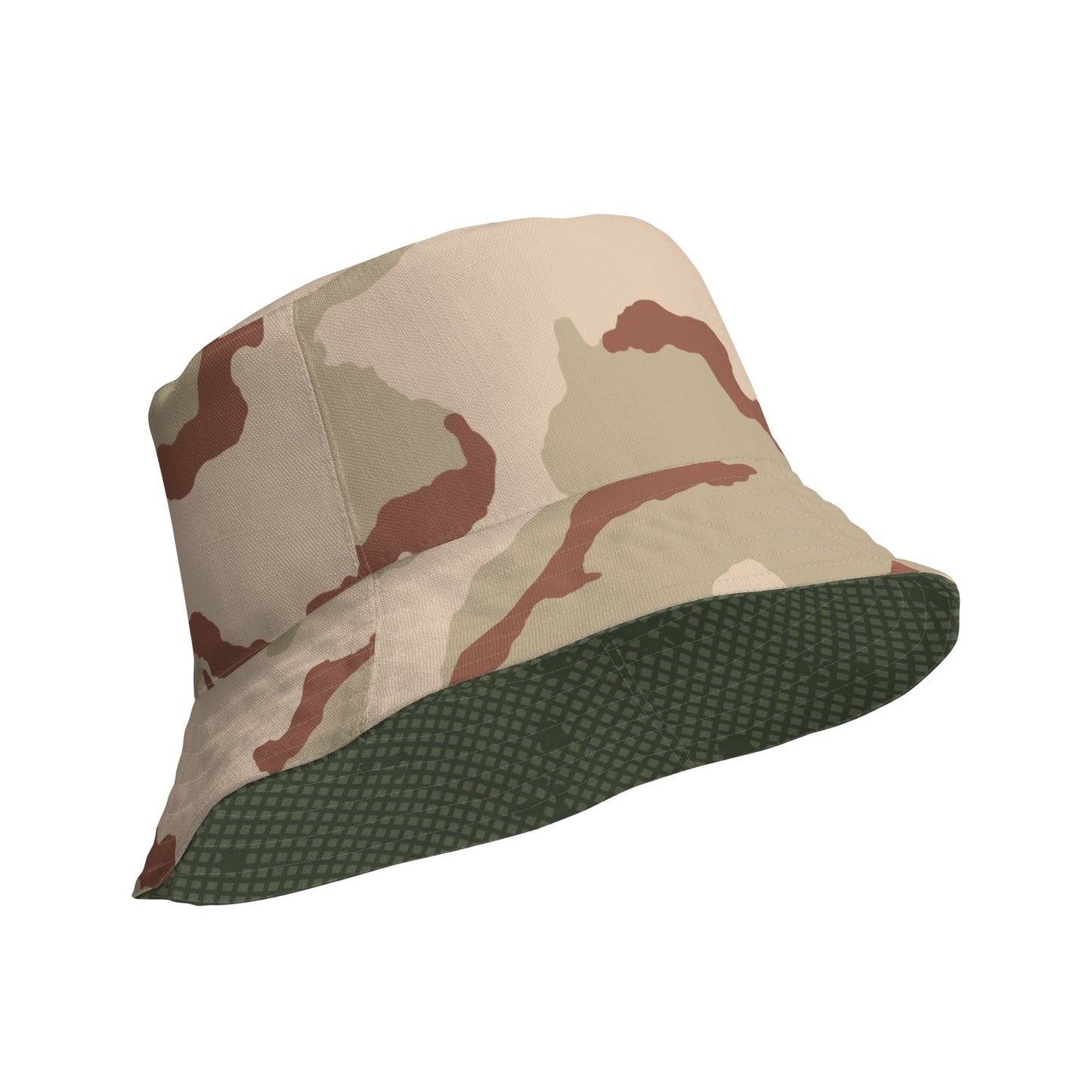
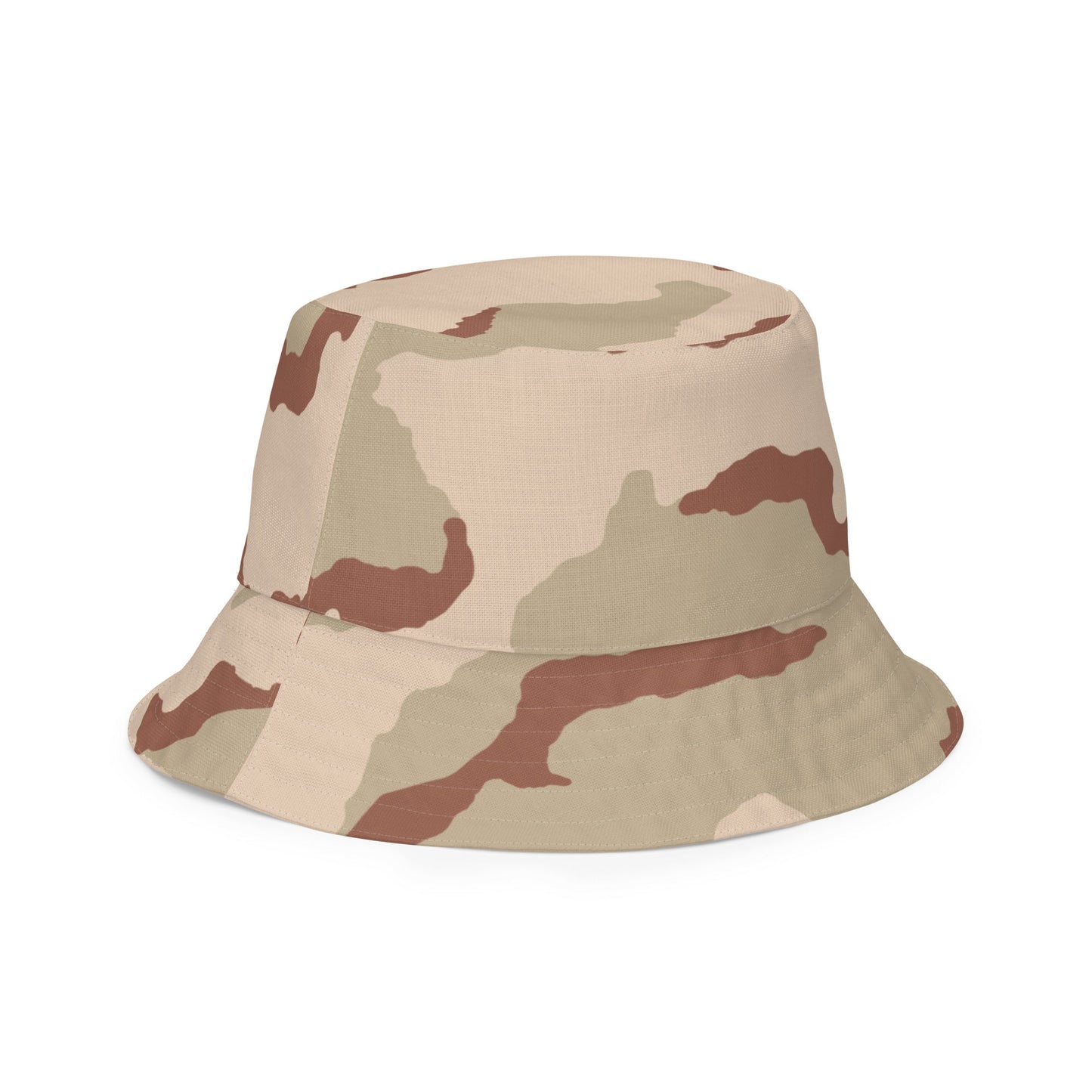
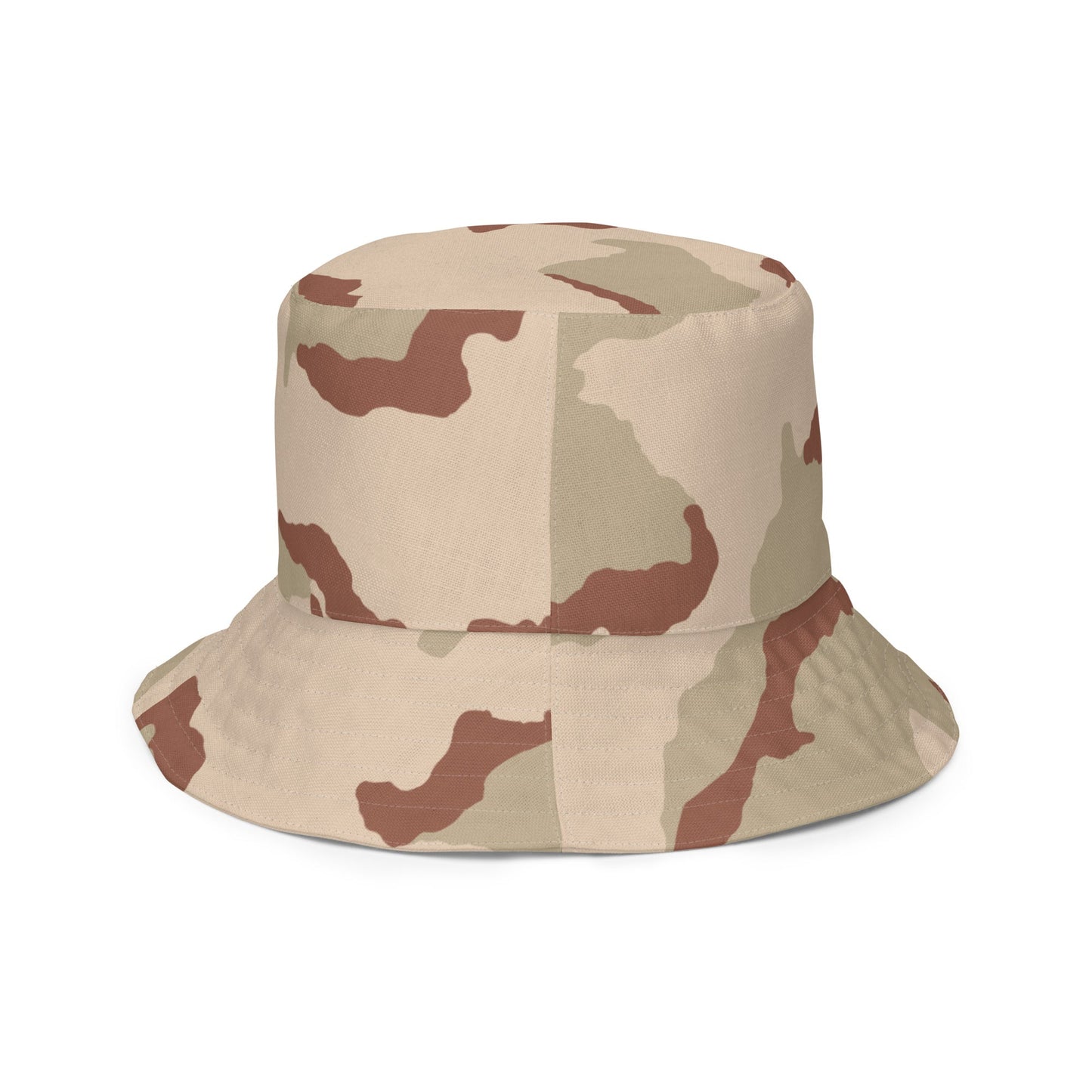
In the early 1990s, the U.S. Army issued reversible ECWCS jackets to special operations units deploying to desert environments — Desert Night pattern on one side, Three-Color Desert on the other. This bucket hat replicates the same reversible logic: Desert Night (the late Cold War black-dominant three-color pattern) on one side, Three-Color Desert (the Gulf War tan-khaki-brown) on the reverse.
Two-in-one reversible construction. Unstructured crown, downward brim. Sizes S/M and L/XL.
Specs
Shipping & returns
Free US shipping on orders over $95. Shipping calculated at checkout. 30-day returns, with free return shipping in the US and Canada.
Customer Reviews
Be the first to write a review
0%
(0)
0%
(0)
0%
(0)
0%
(0)
0%
(0)

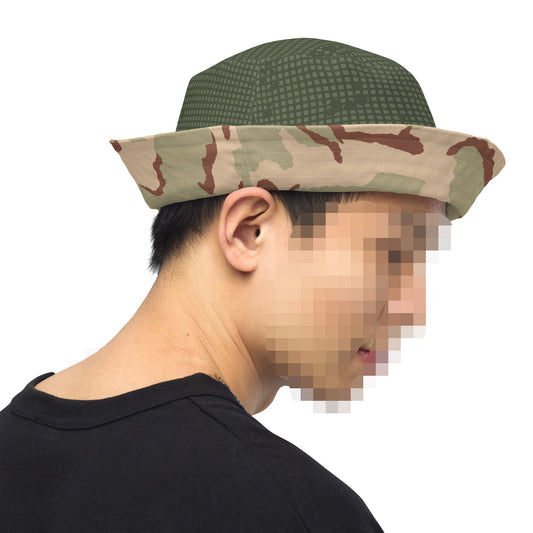
Reversible Desert Night Camo Bucket Hat
Regular price
$42.59 USD
Regular price
Sale price
$42.59 USD
Unit price
per