Camouflage record
Snow BDU
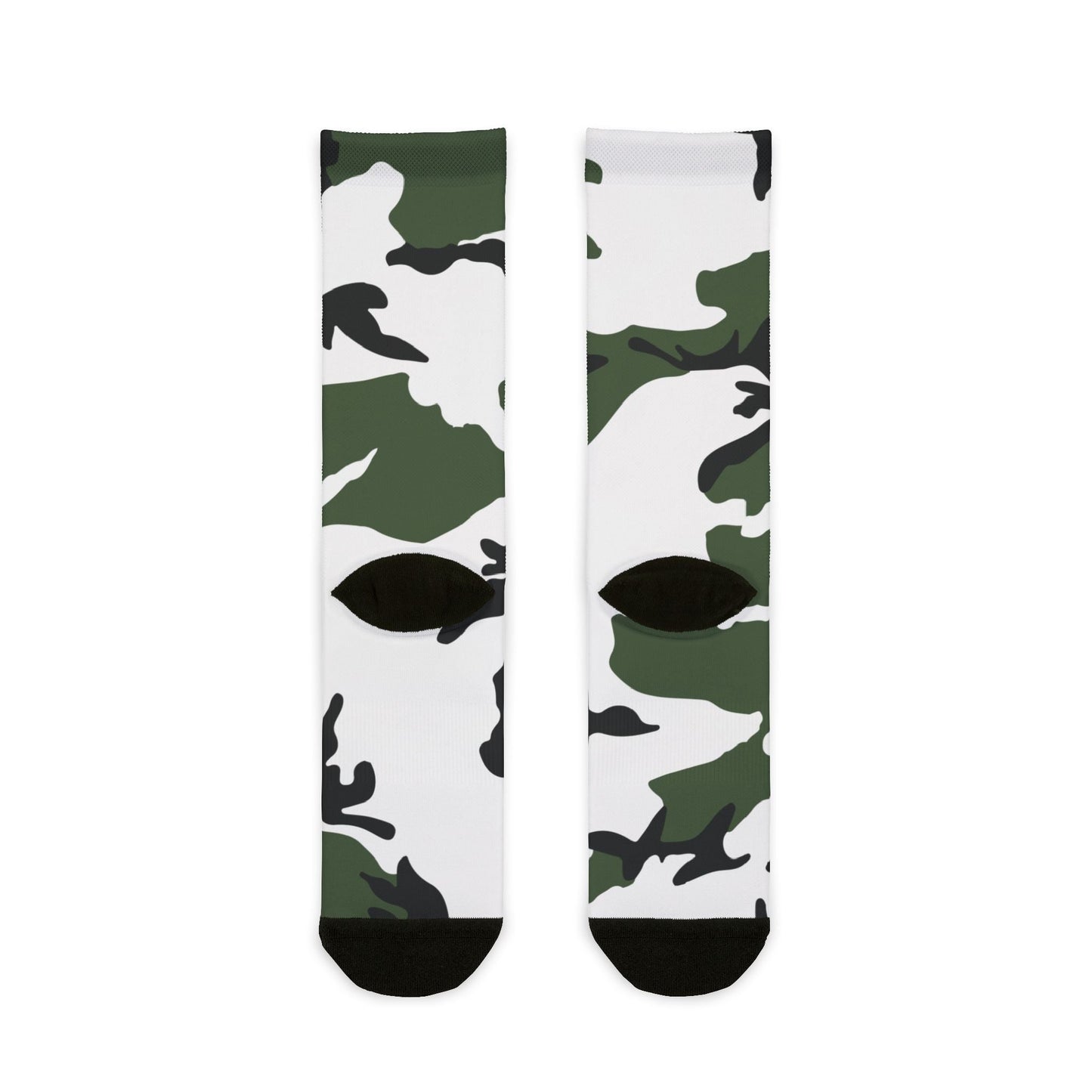
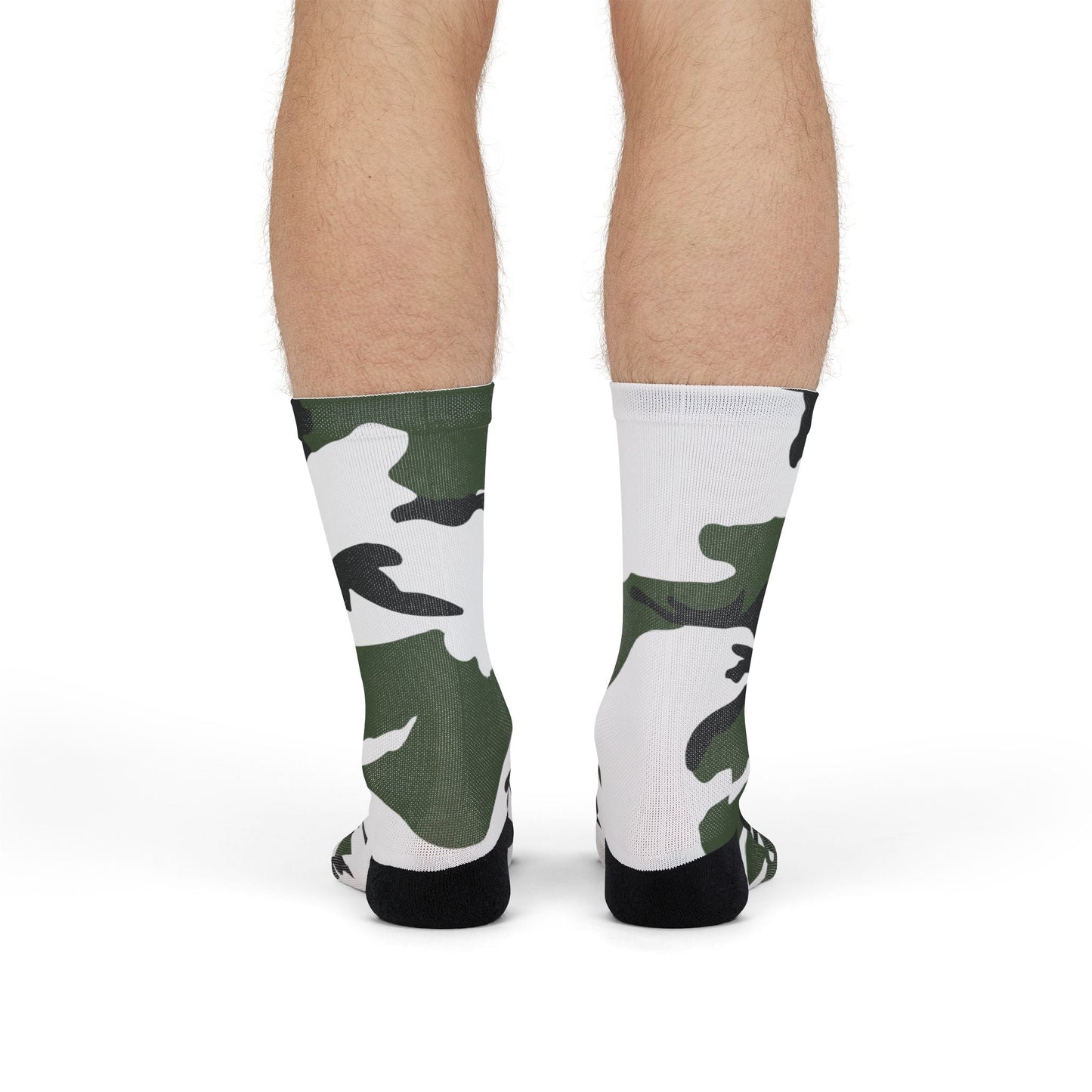
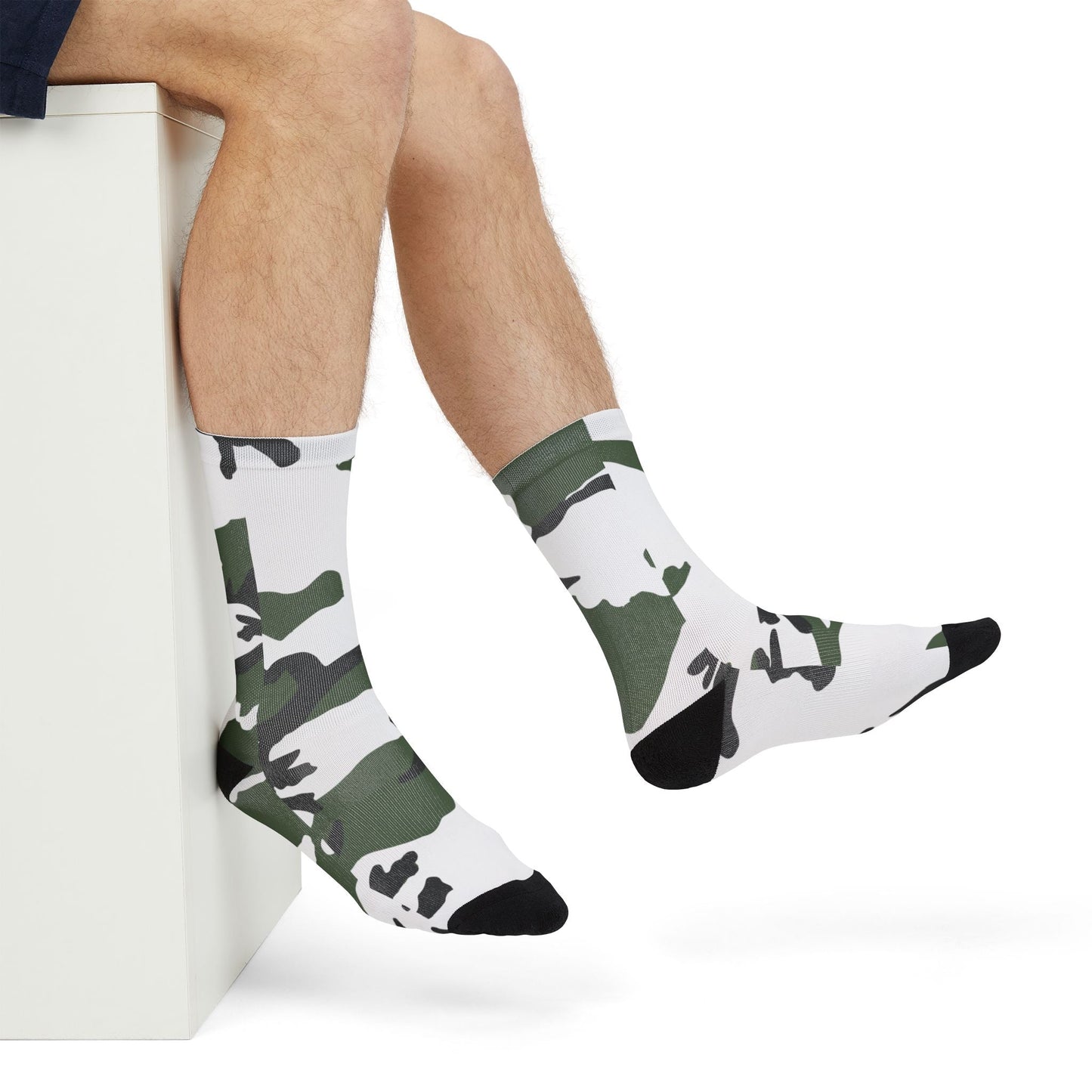
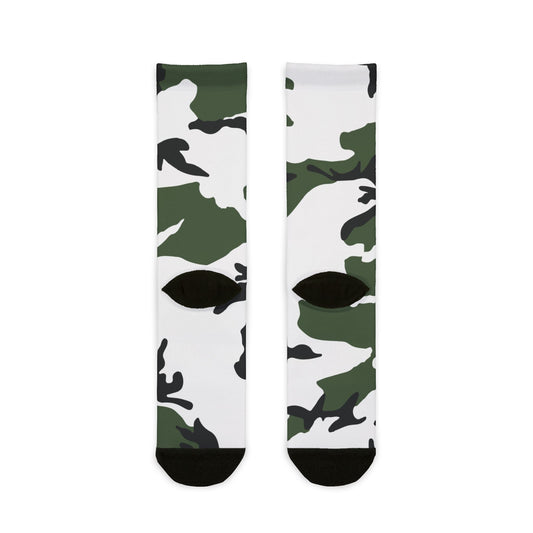
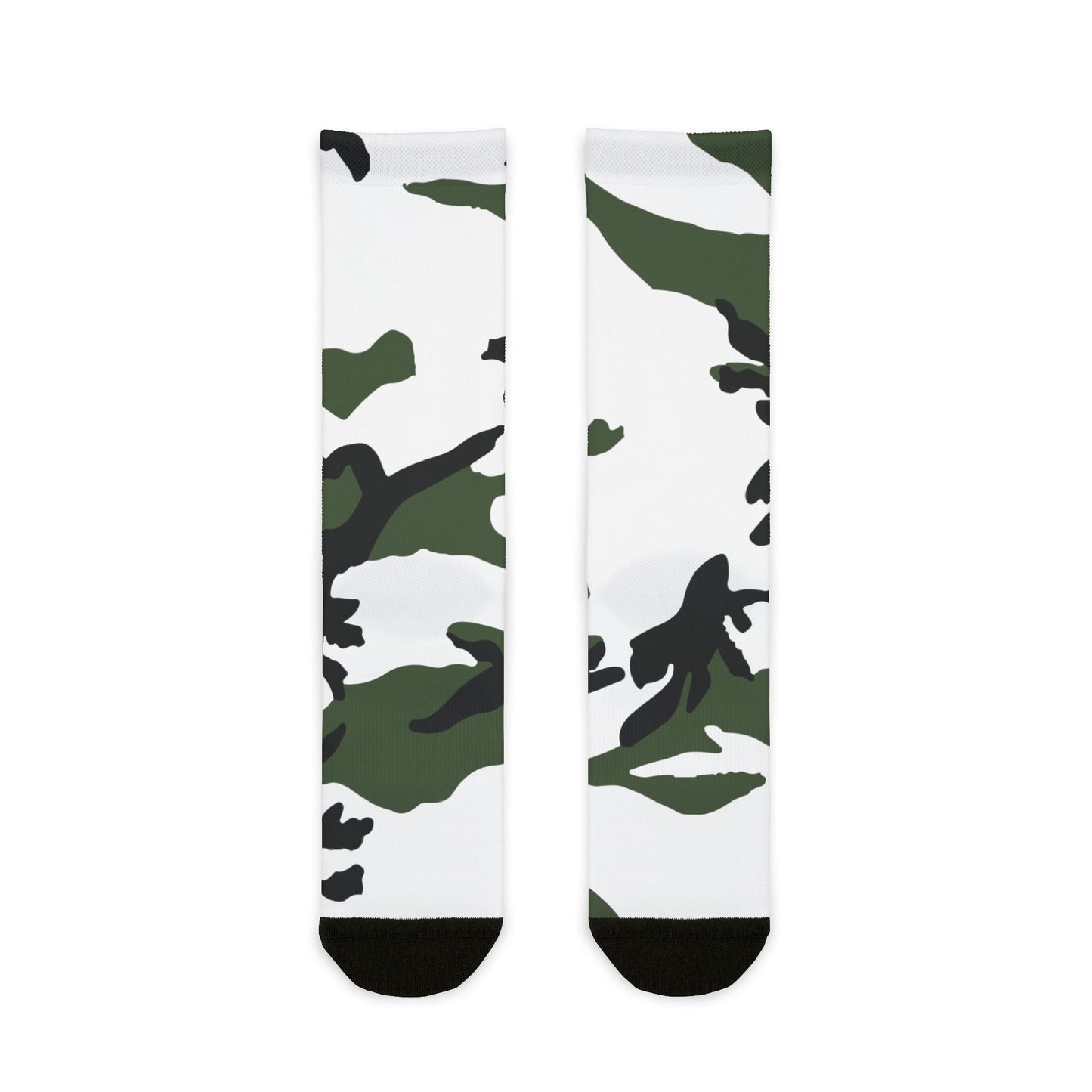
The Three-Color Snow camouflage, officially referred to as “Snow BDU” in archived military documentation, was developed by the Natick Soldier Research, Development and Engineering Center in the 1990s for winter concealment. Although never formally adopted, this pattern remains a practical adaptation of the U.S. M81 Woodland design.
Snow BDU Camo Socks
Snow BDU Camo Socks
Shipping calculated at checkout
Couldn't load pickup availability
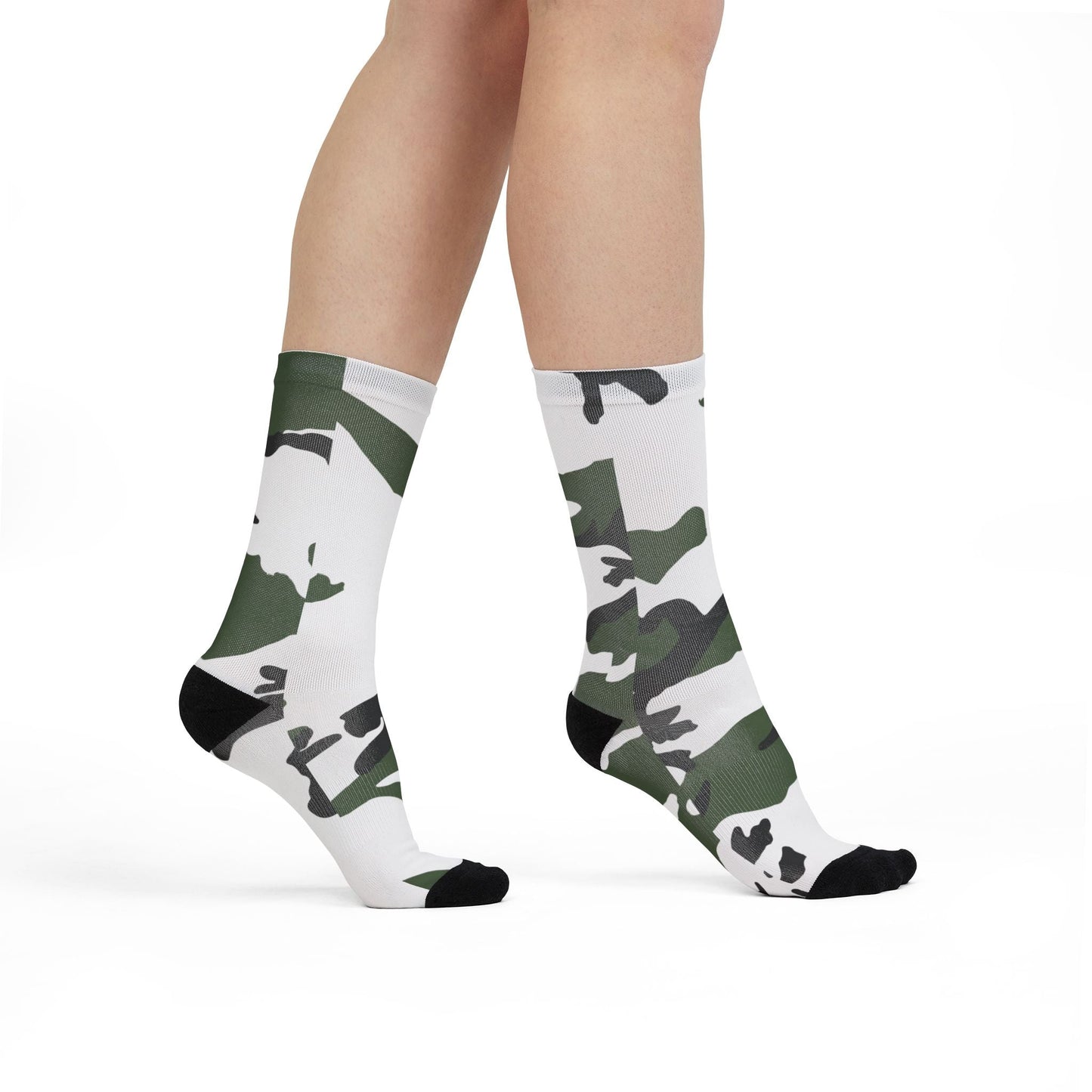
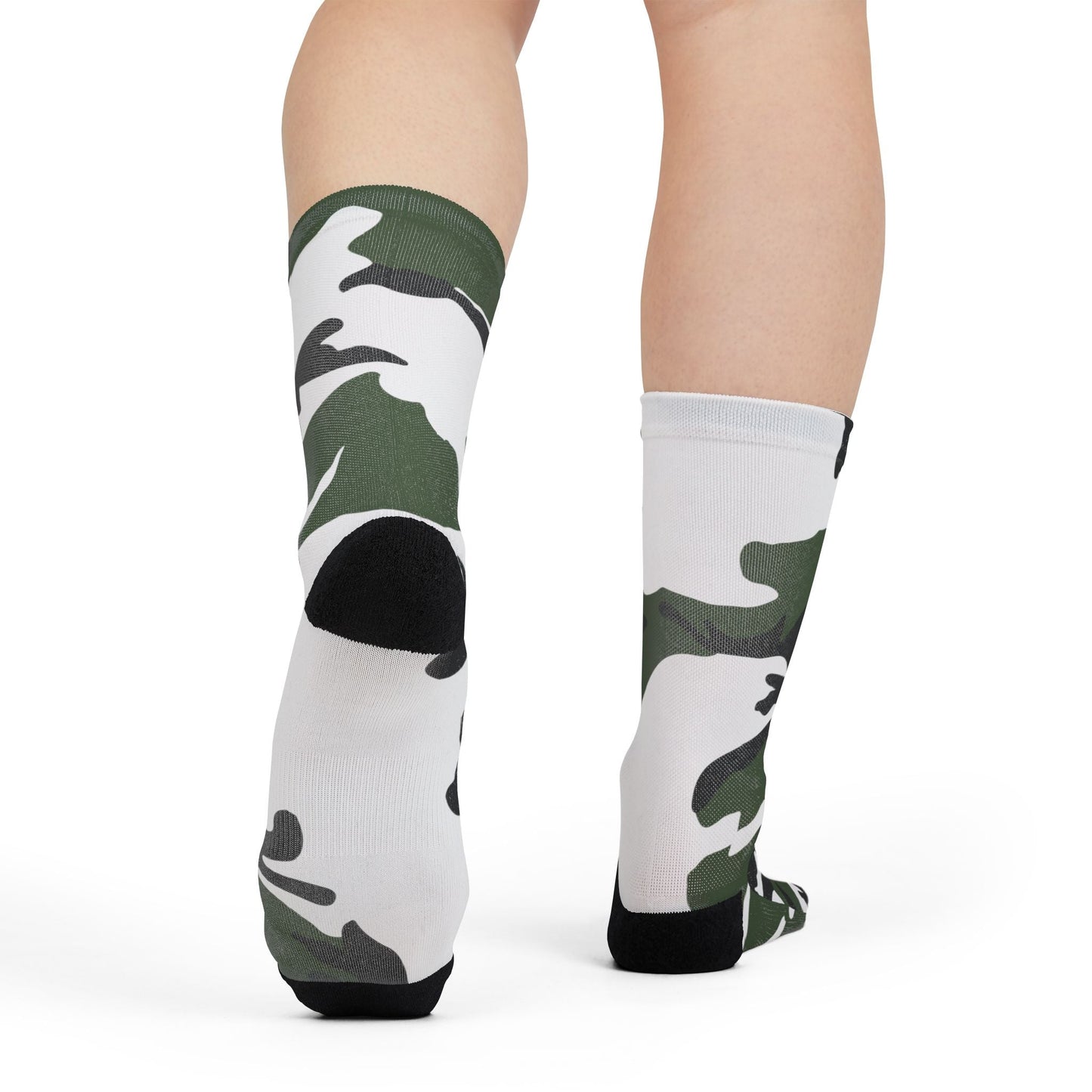
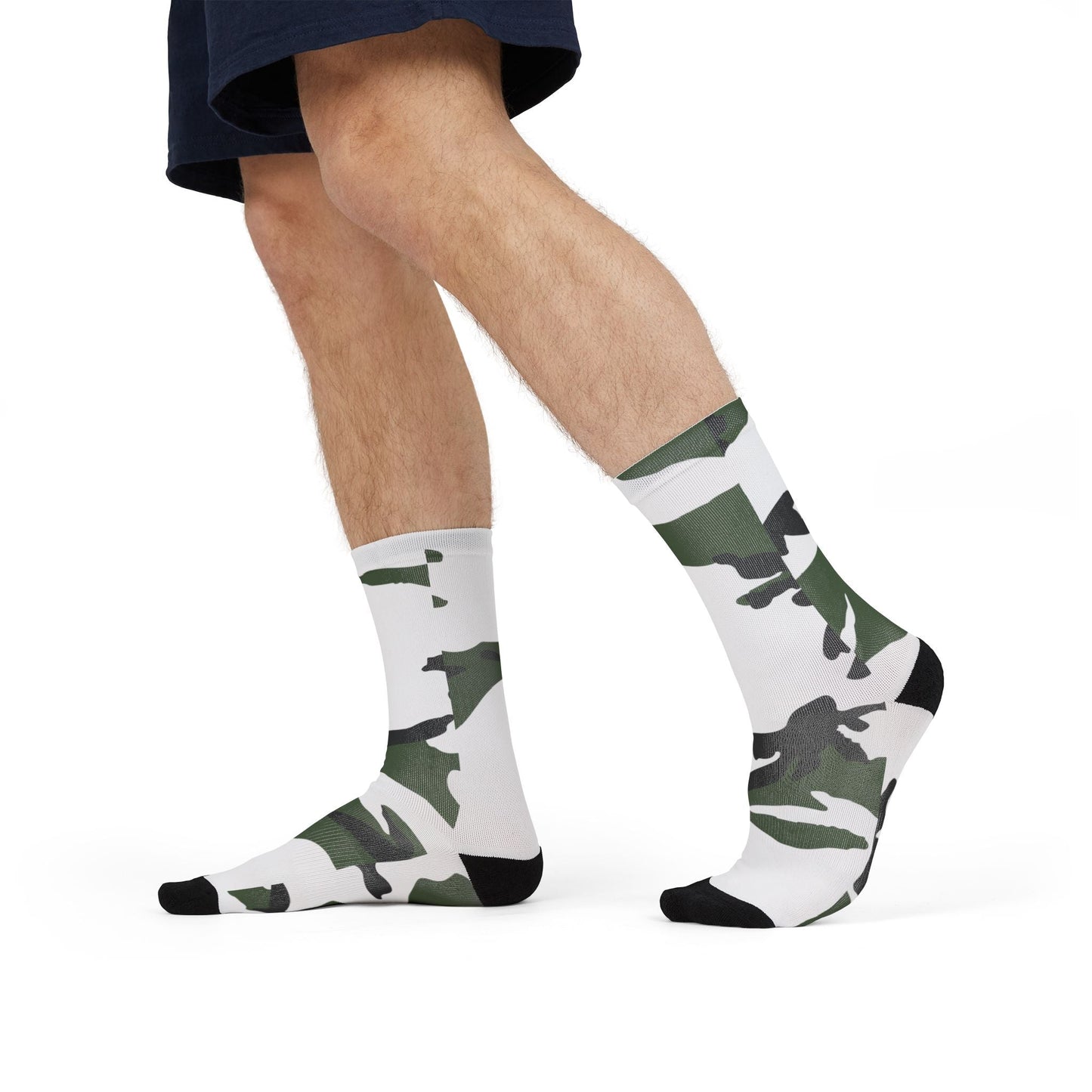
The Snow BDU Camo Socks are engineered to fit universally from women's size 5 US up to men's size 13 US, these socks ensure a comfortable and secure fit for a wide range of foot sizes. Featuring a 200 needle knit fabric, these socks offer a dense and durable construction while maintaining a comfortable feel. The crew sock fit ensures they stay in place during rigorous activities, while the black heel and toe accents add durability to their winter stealth design.
Camouflage Pattern Information:
The M81 Urban Woodland Camouflage pattern, a commercial recoloration of the U.S. M81 Woodland, was used in US Marine Corps urban training in May 1994. Evaluated for effectiveness, it proved less effective at night due to its high contrast and design for long-distance engagements.
Specs
- Camouflage: Snow BDU (three-color snow)
- Material: 60% polyester, 25% nylon, 10% acrylic, 5% spandex
- One size 15.5" × 3.3" (39.4cm × 8.4cm)
- Universal Fit: Women's sizes 5-15 US, men’s sizes 3-13 US
- Durable and comfortable 200 needle knit fabric
- Crew sock fit with black heels and toes
- Blank product sourced from China
Care instructions
- Tumble dry: low heat
- Do not bleach
- Machine wash: cold (max 30C or 90F), gentle cycle
Shipping & returns
Free US shipping on orders over $95. Shipping calculated at checkout. 30-day returns, with free return shipping in the US and Canada.
Camouflage record
Snow BDU
The Three-Color Snow camouflage, officially referred to as “Snow BDU” in archived military documentation, was developed by the Natick Soldier Research, Development and Engineering Center in the 1990s for winter concealment. Although never formally adopted, this pattern remains a practical adaptation of the U.S. M81 Woodland design.