


01 / 07

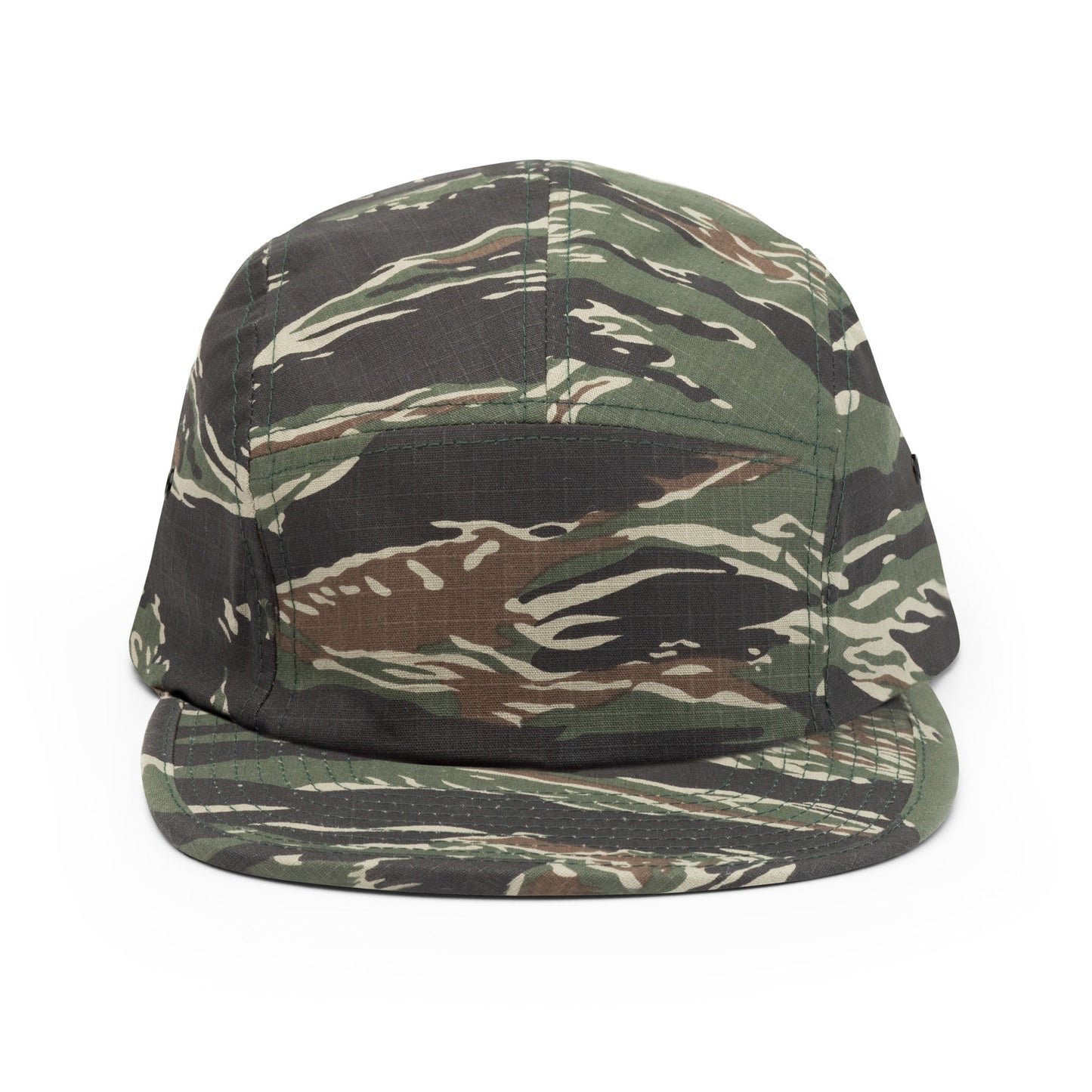
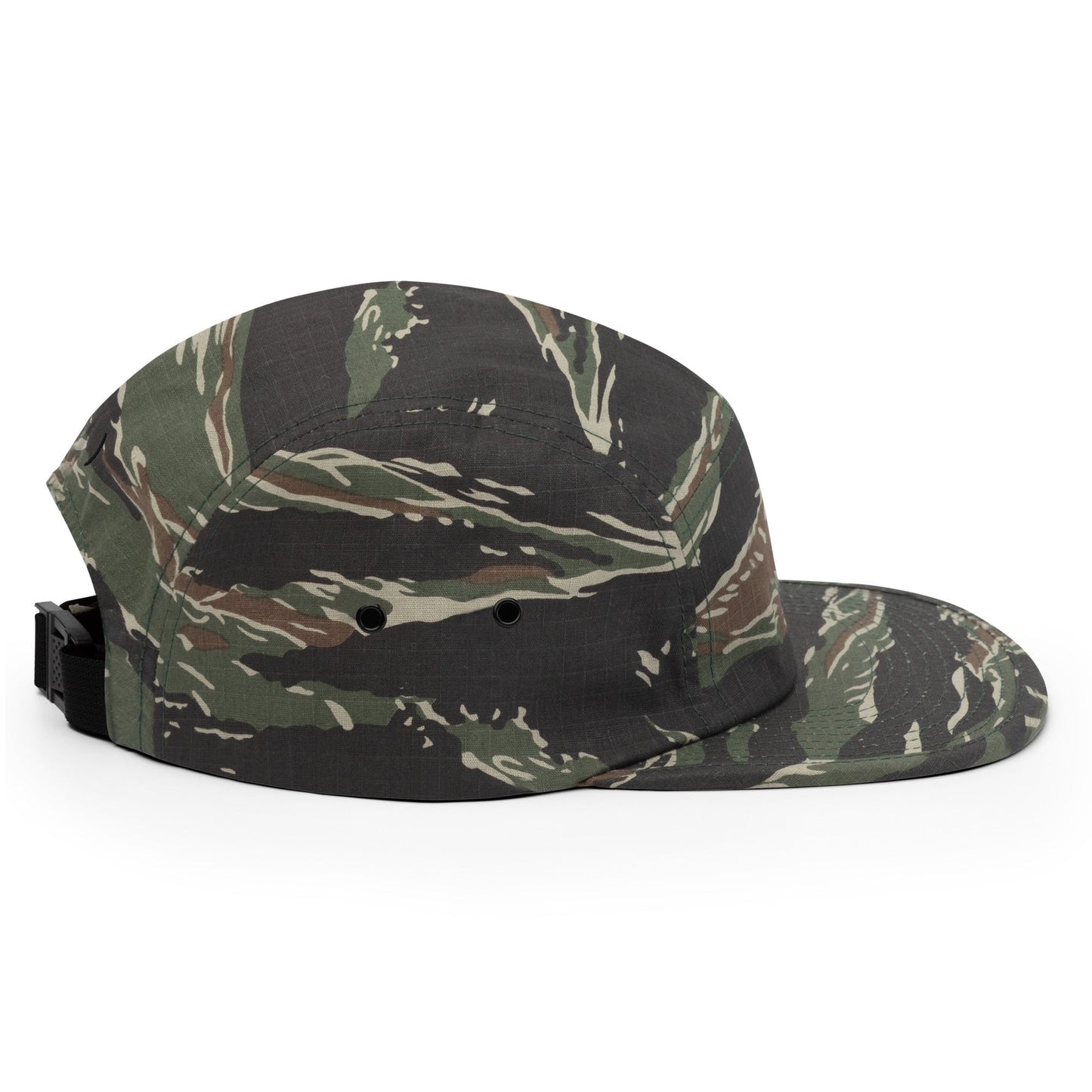
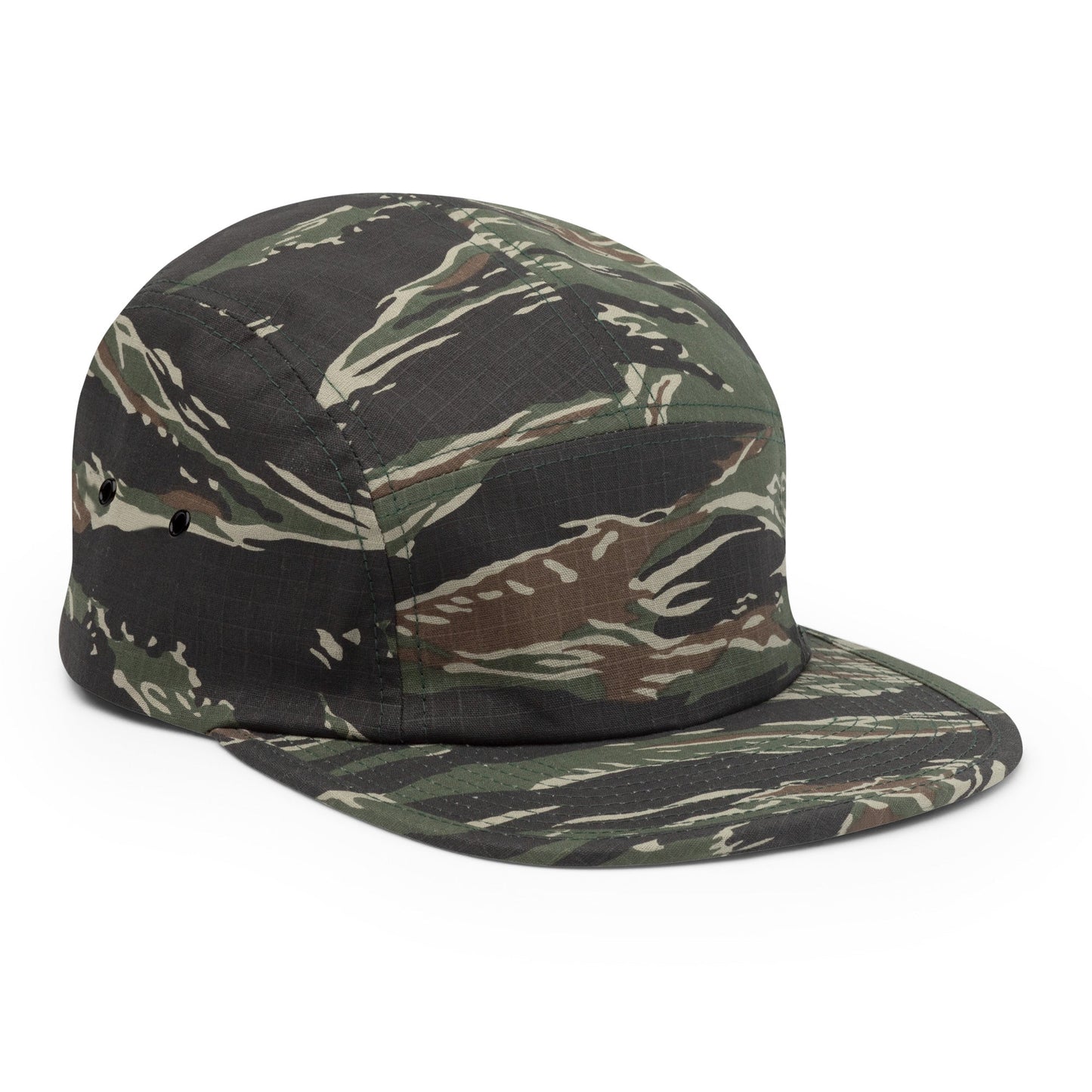
Tiger Stripe Camo Ripstop 5 Panel Cap
Tiger Stripe Camo Ripstop 5 Panel Cap
Regular price
$34.00 USD
Regular price
Sale price
$34.00 USD
Unit price
per
Shipping calculated at checkout.
Shipping calculated at checkout
Couldn't load pickup availability
Free 30-day returns · US & Canada
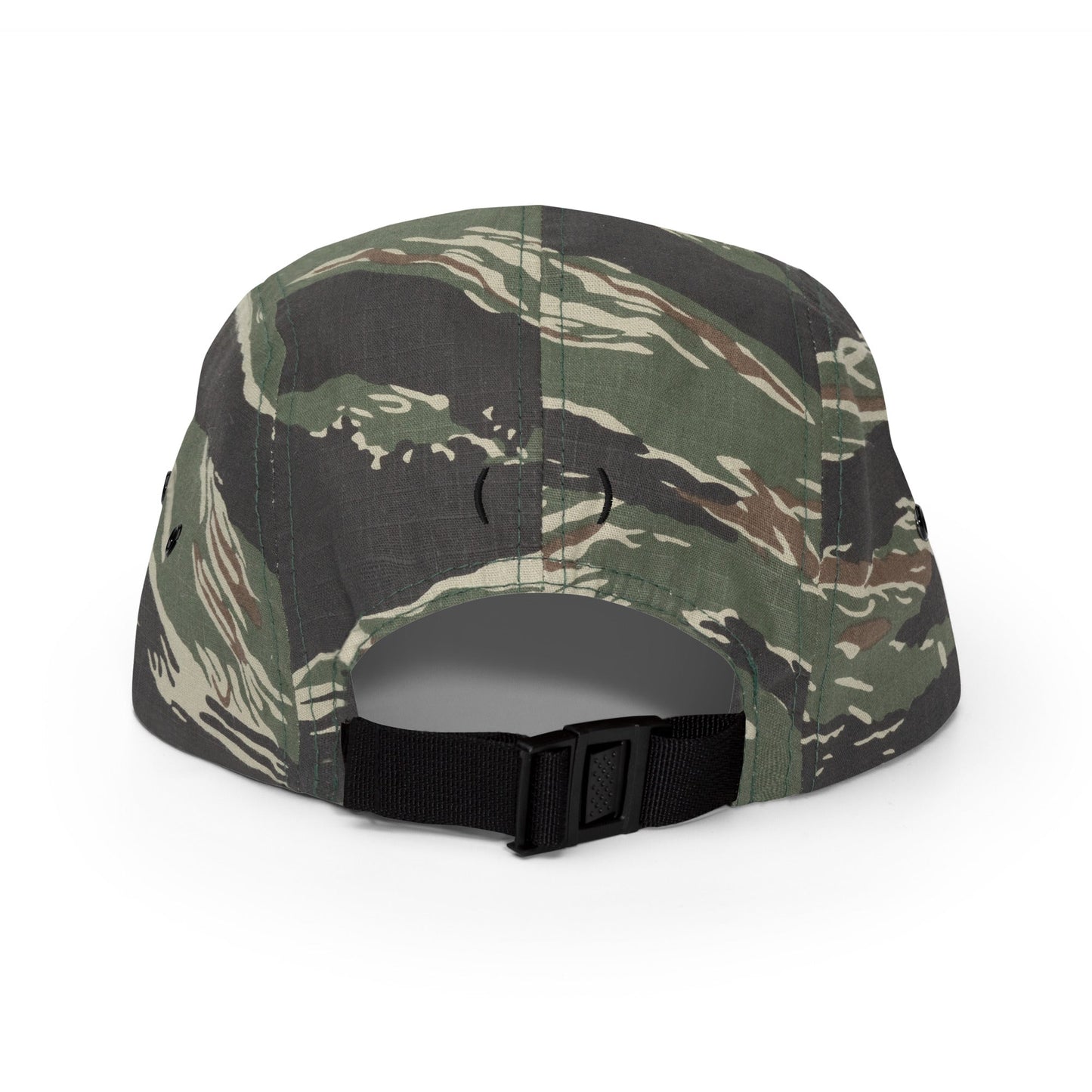
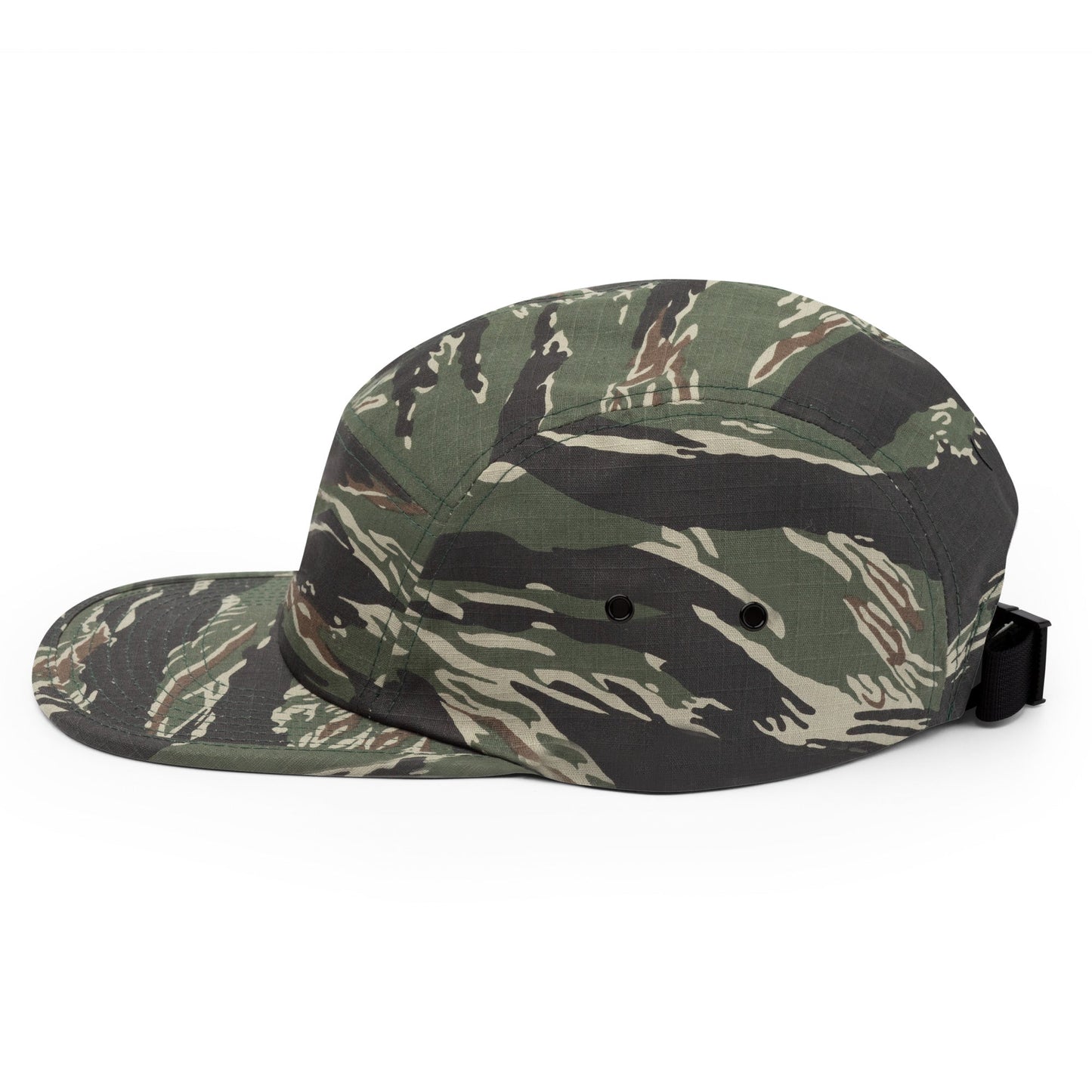
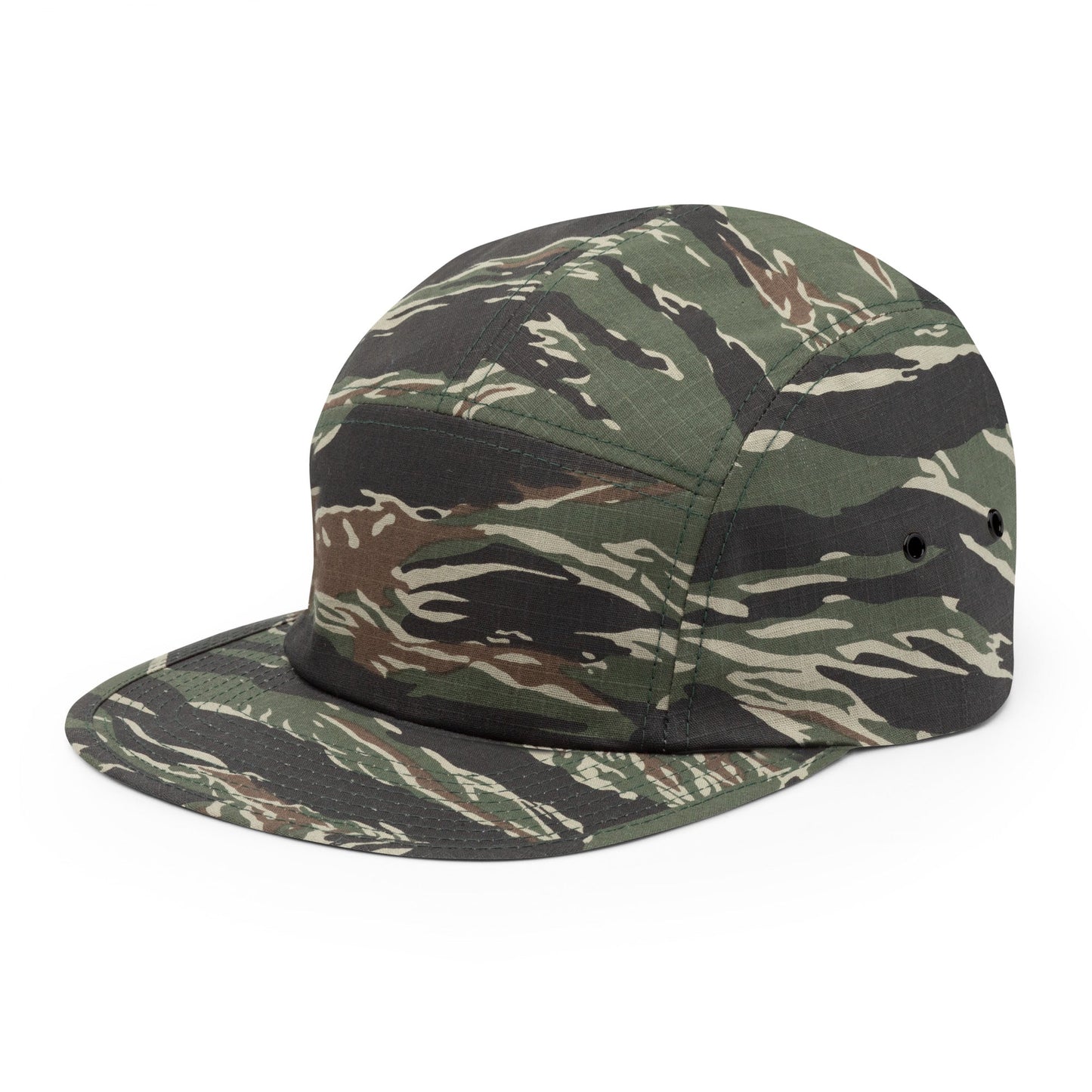
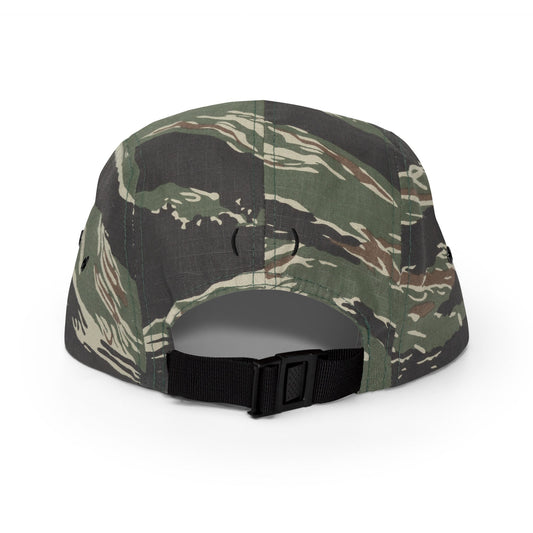
Five-panel caps cut from ripstop fabric carry pattern differently than twill — the open weave lets the Tiger Stripe geometry fragment across the surface rather than printing flat. This cap uses a classic Tiger Stripe colorway: vertical black brushstrokes over green and tan ground, originally developed for ARVN and U.S. Special Forces for dense jungle concealment in Vietnam.
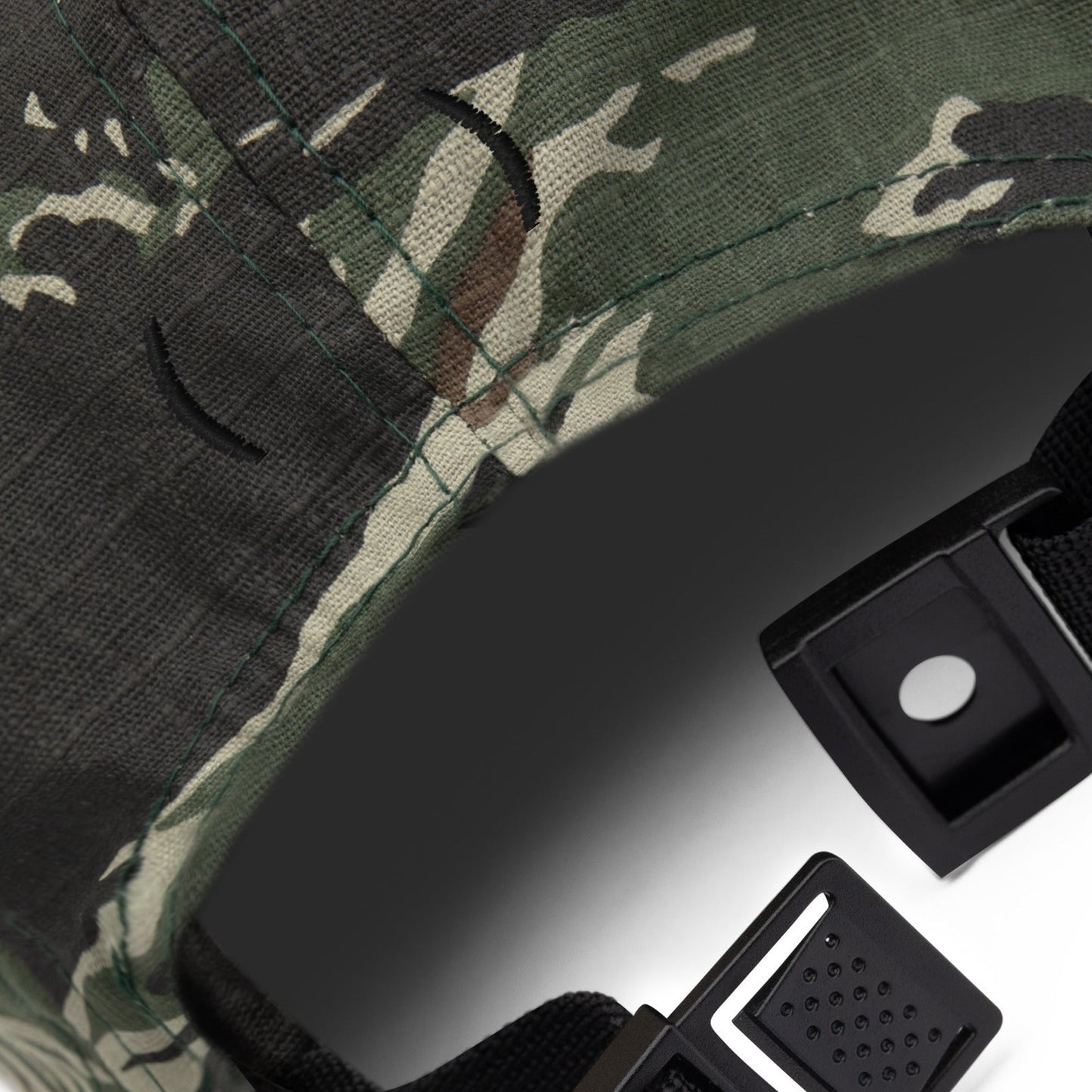
5-panel construction, unstructured front panels, flat brim. Ripstop polyester-cotton blend. One size fits most with adjustable snap closure at rear.
Specs
Shipping & returns
Free US shipping on orders over $95. Shipping calculated at checkout. 30-day returns, with free return shipping in the US and Canada.
Customer Reviews
Be the first to write a review
0%
(0)
0%
(0)
0%
(0)
0%
(0)
0%
(0)

Tiger Stripe Camo Ripstop 5 Panel Cap
Regular price
$34.00 USD
Regular price
Sale price
$34.00 USD
Unit price
per